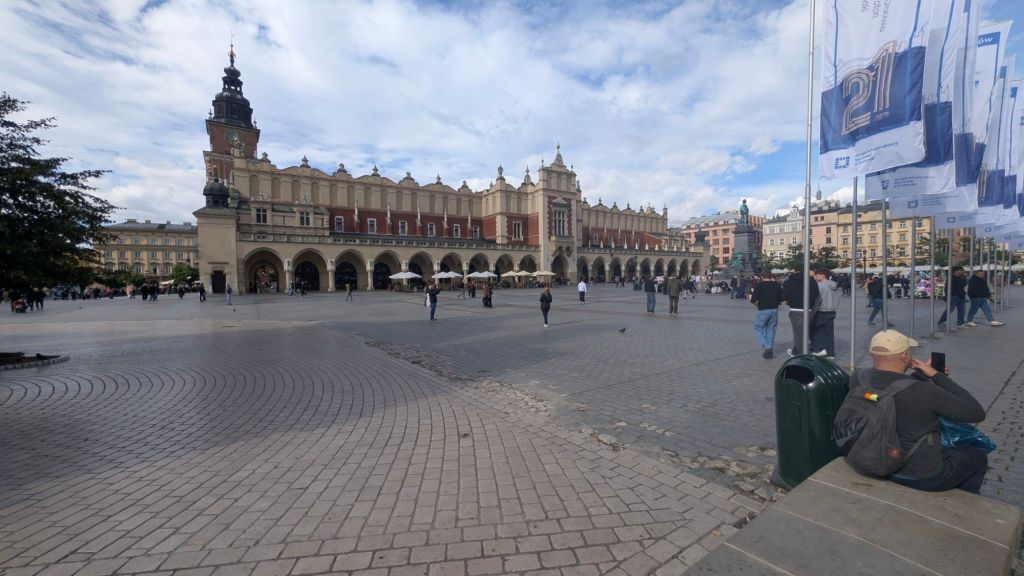
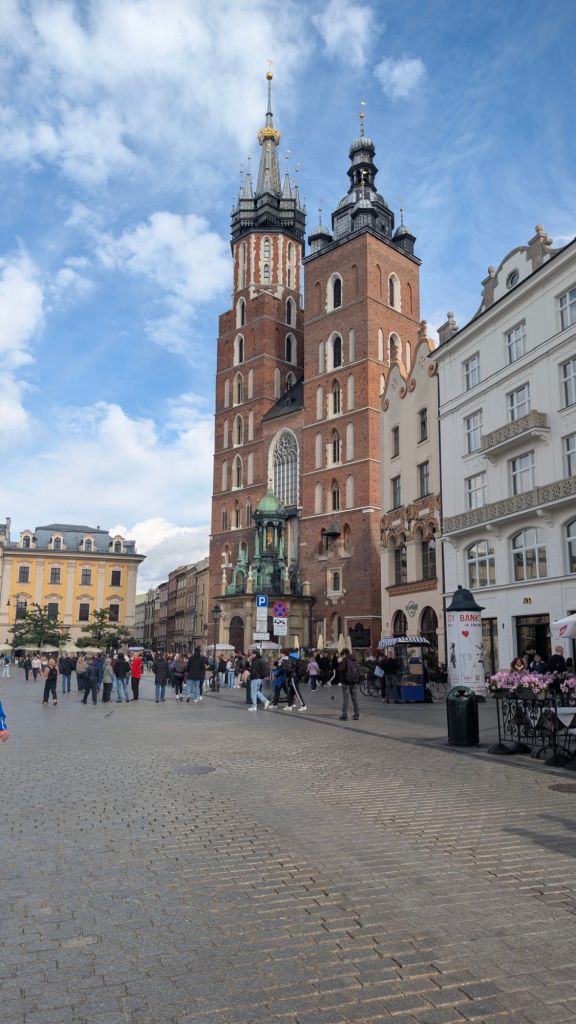
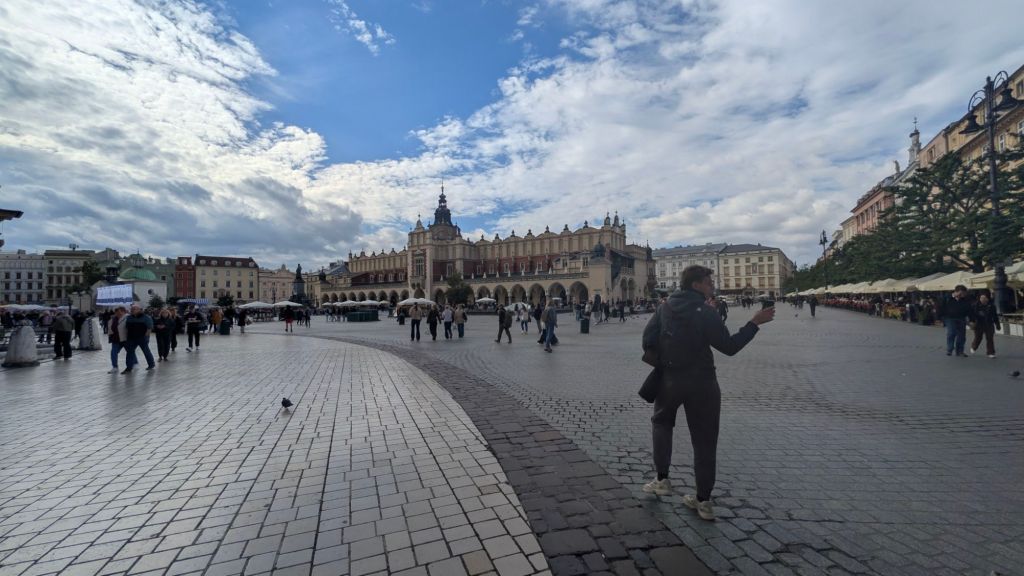
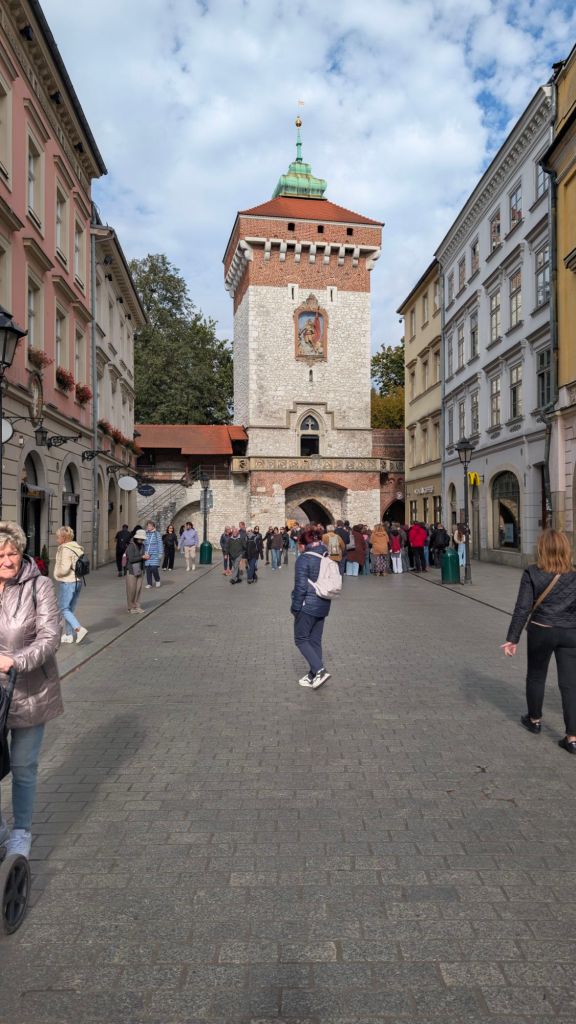
This morning started off very damp and quite cold, and Val and I wrapped up accordingly. She had hurt her back, and so I volunteered to carry all her stuff, which wasn’t a problem because there wasn’t very much.
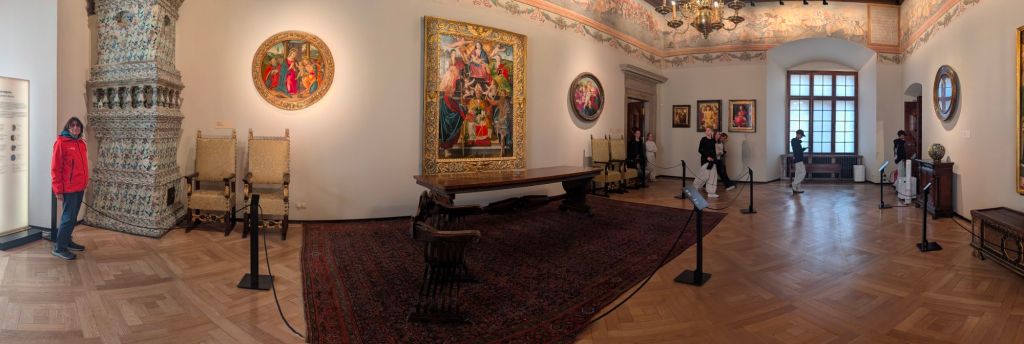
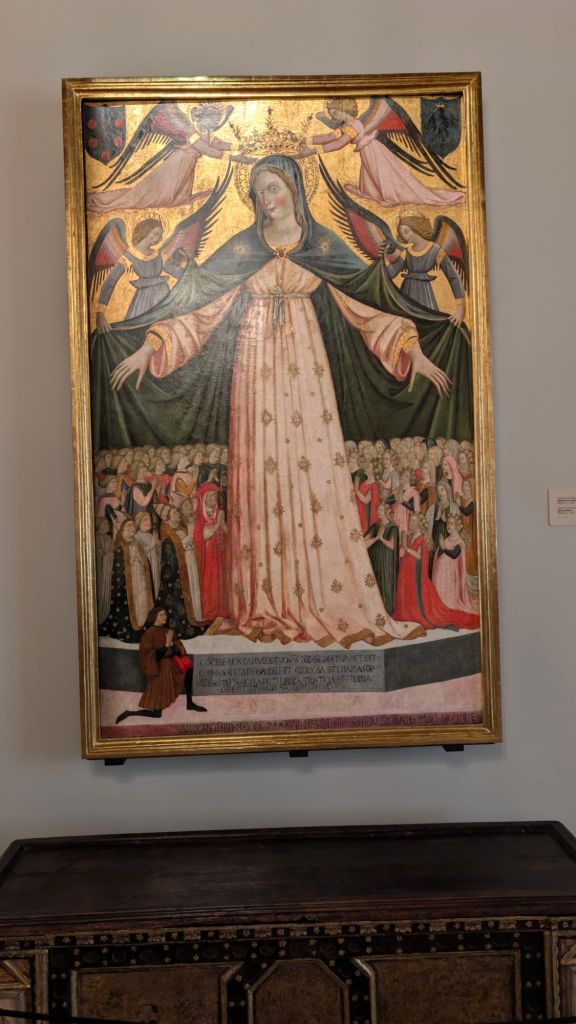
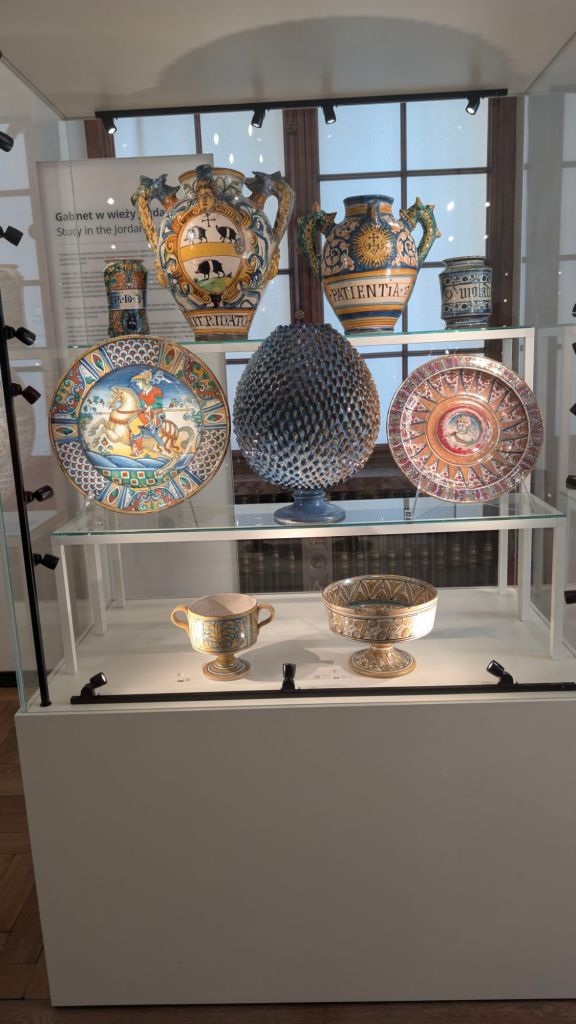
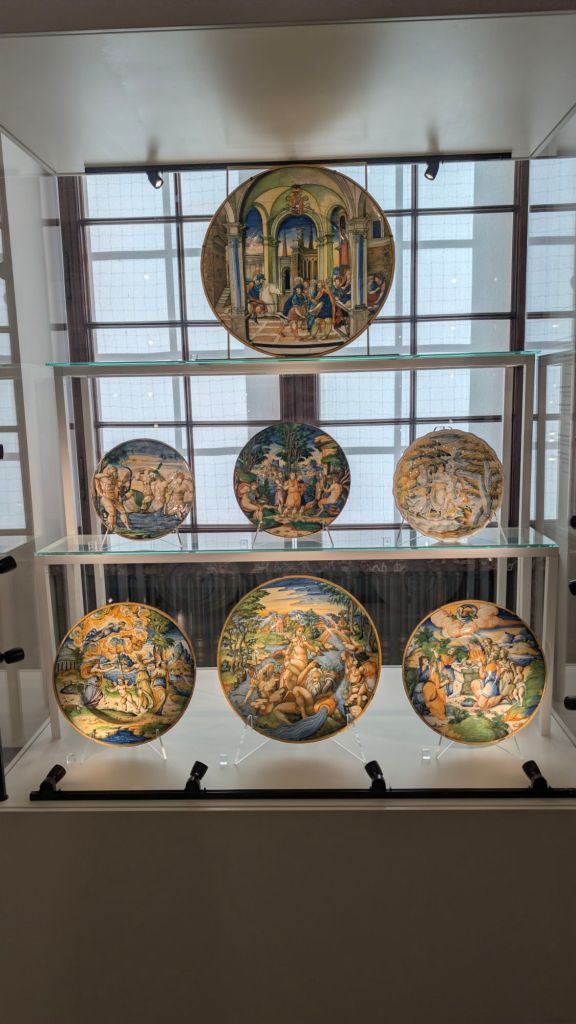
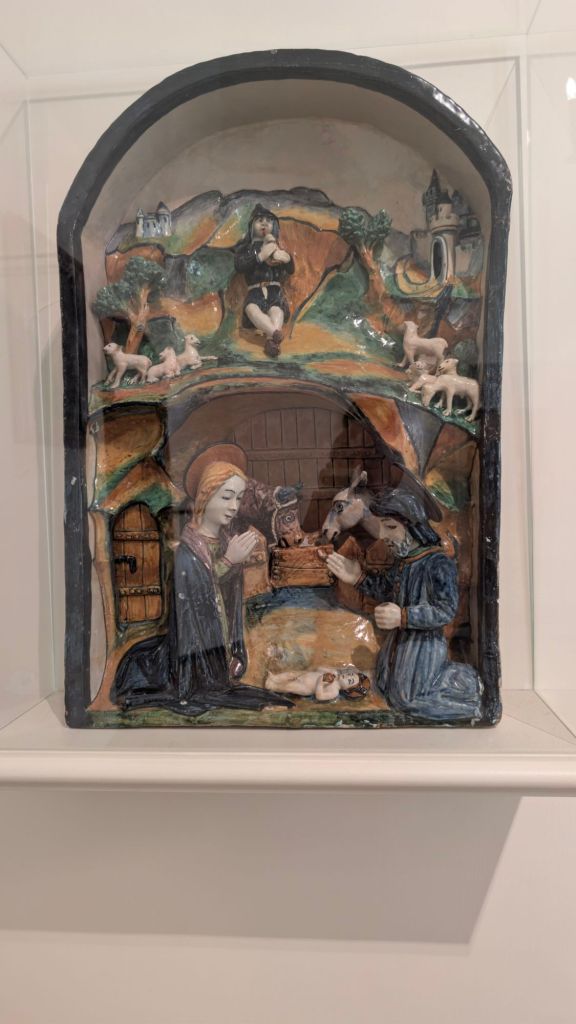
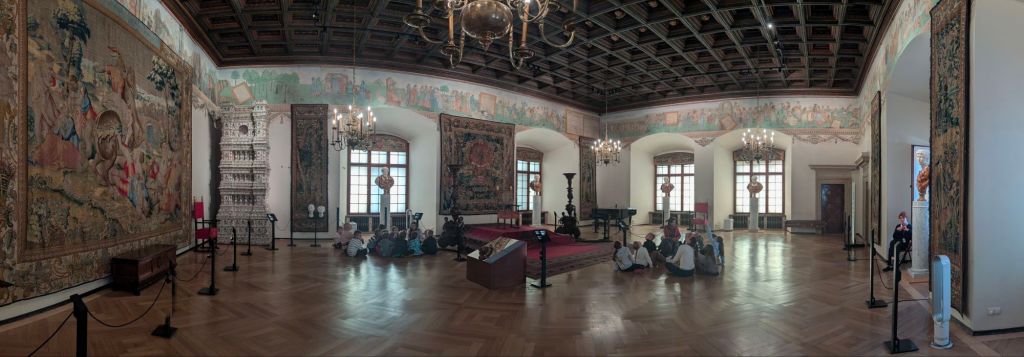
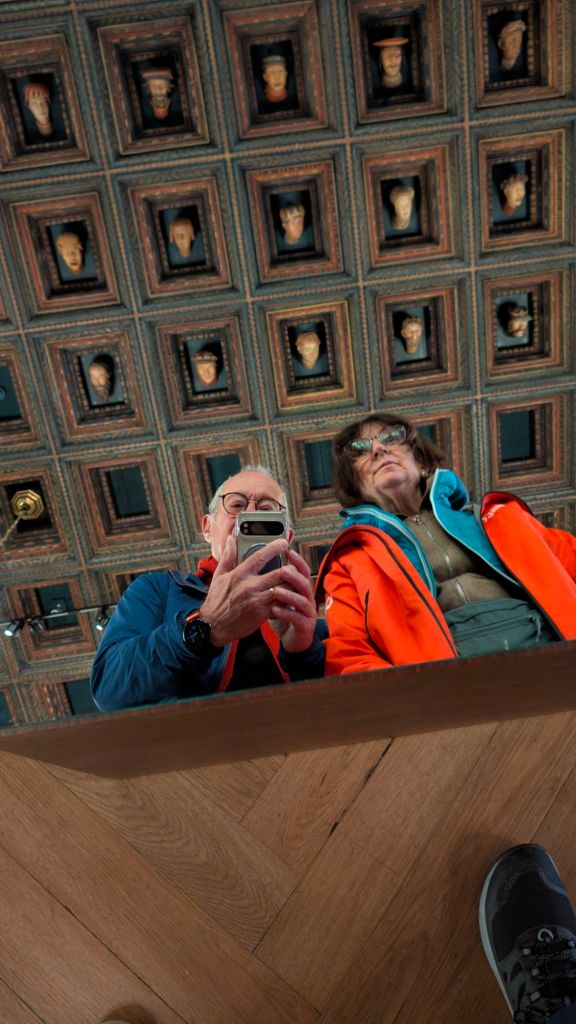
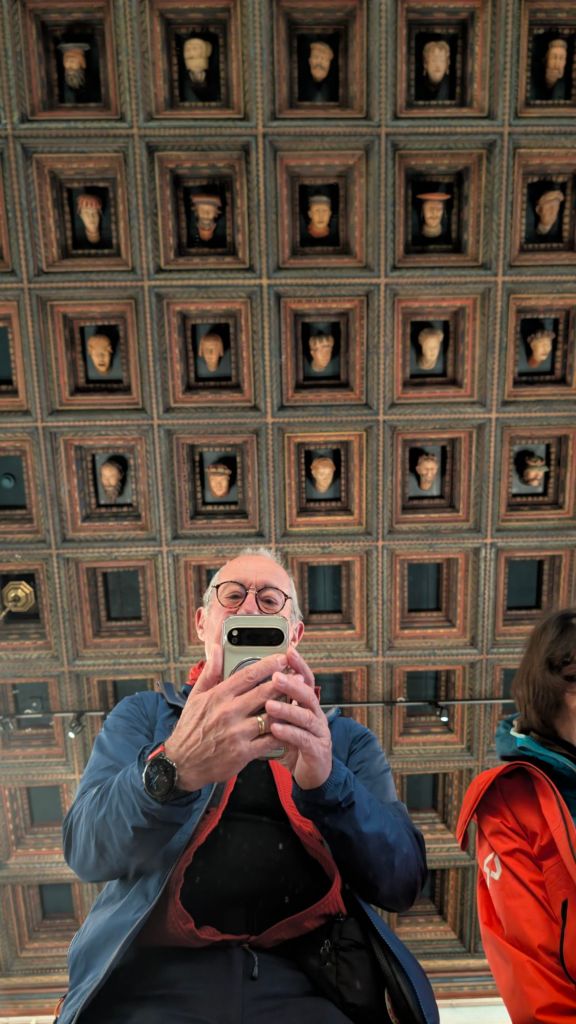
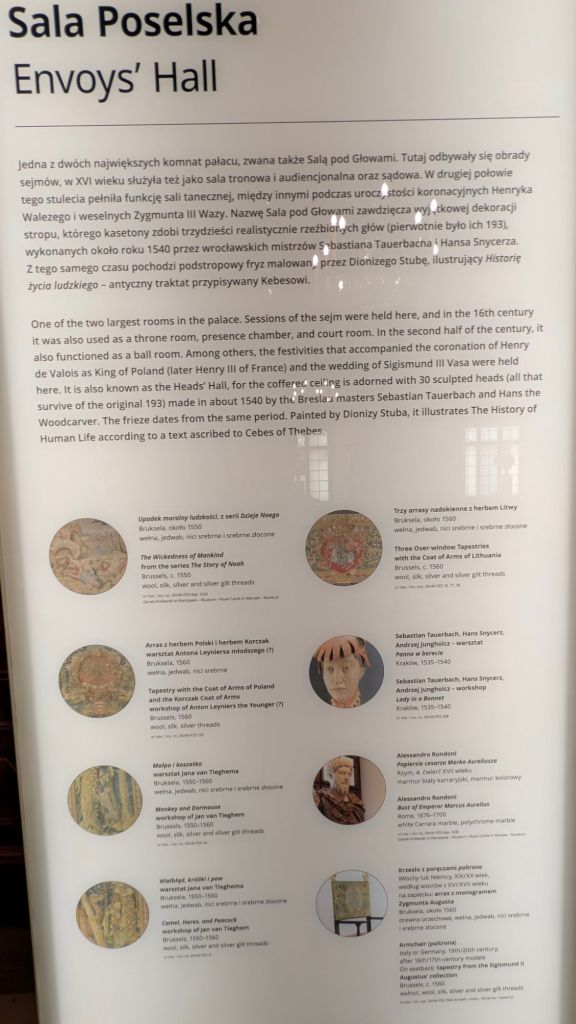
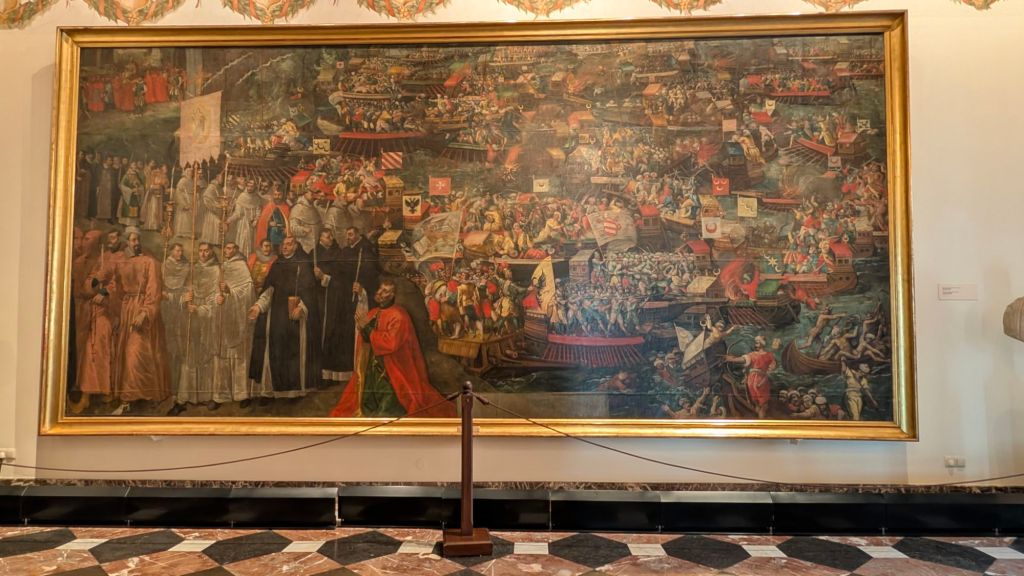
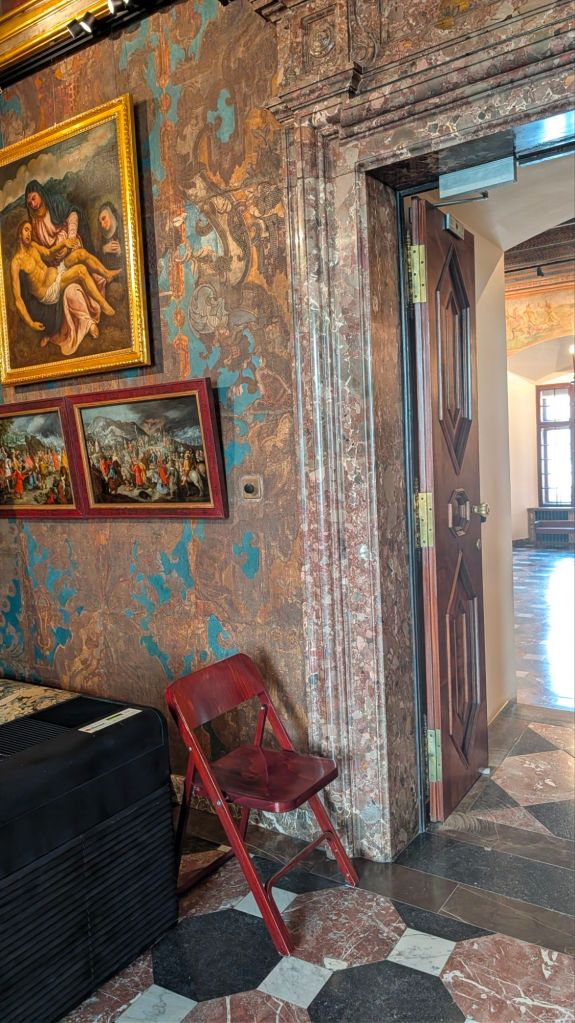
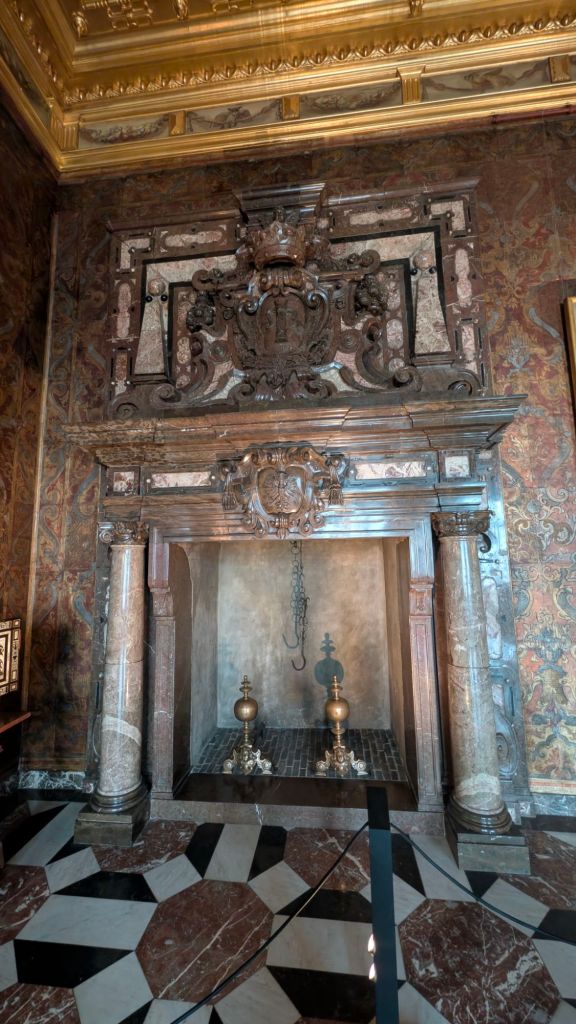
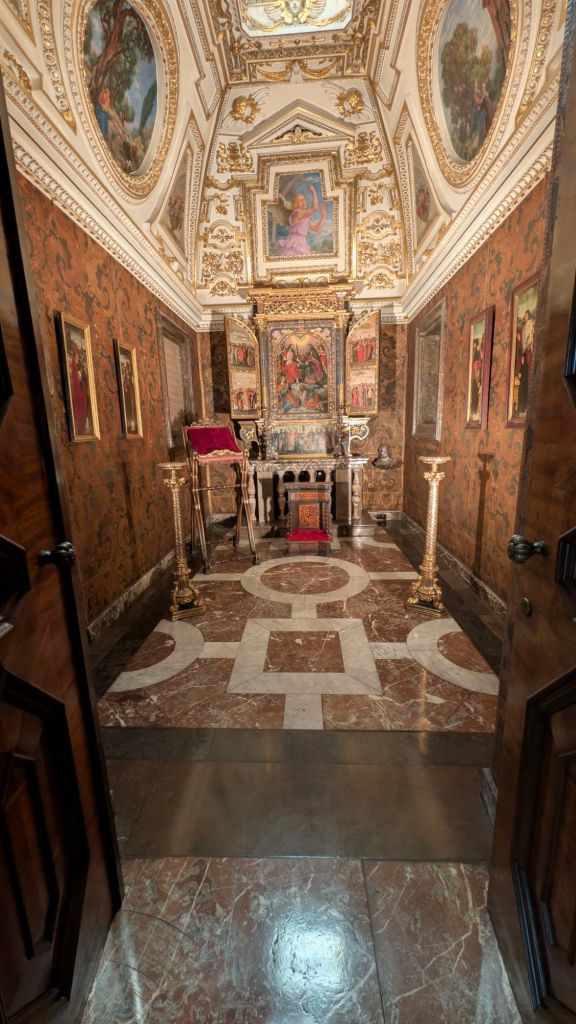
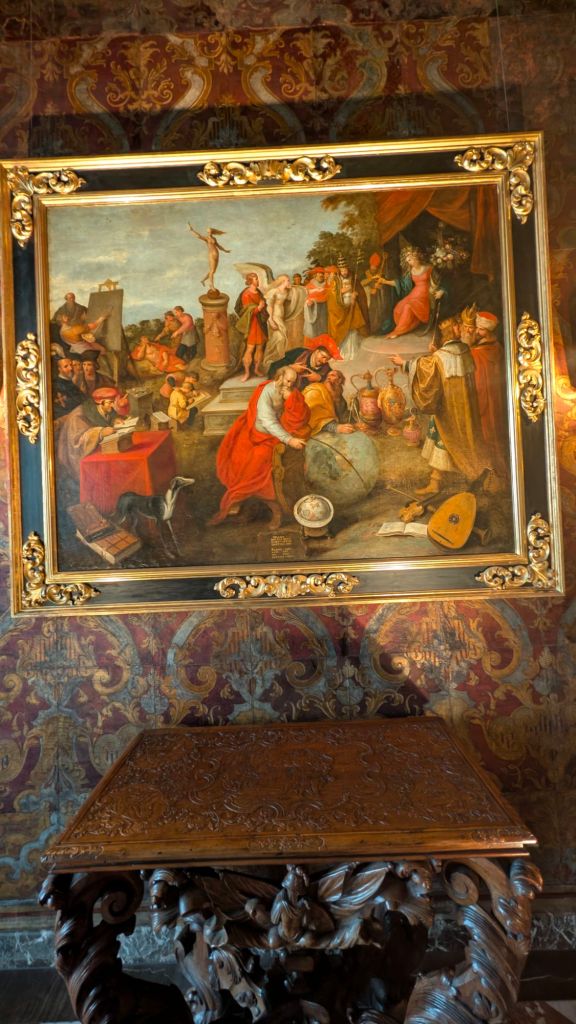
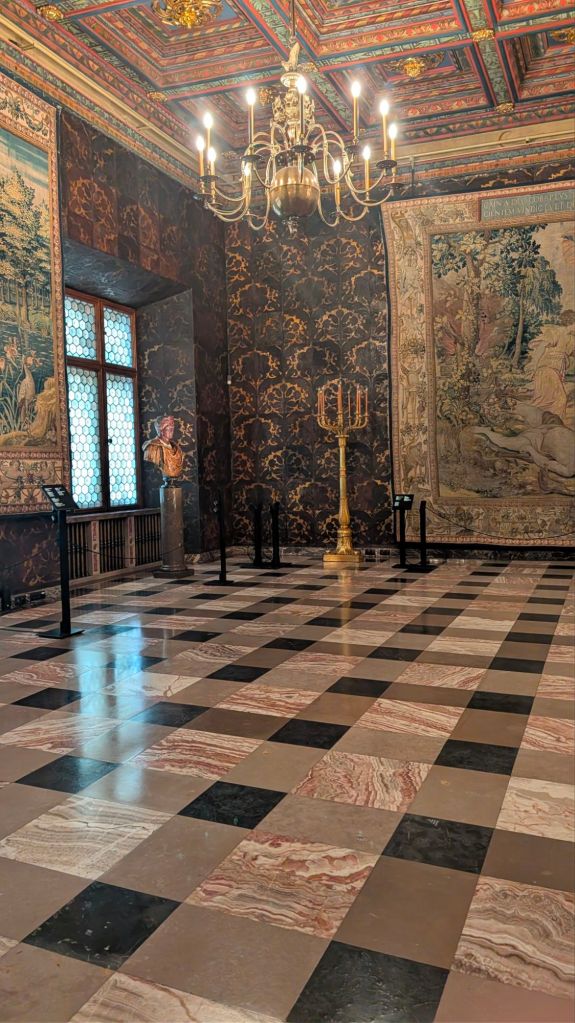
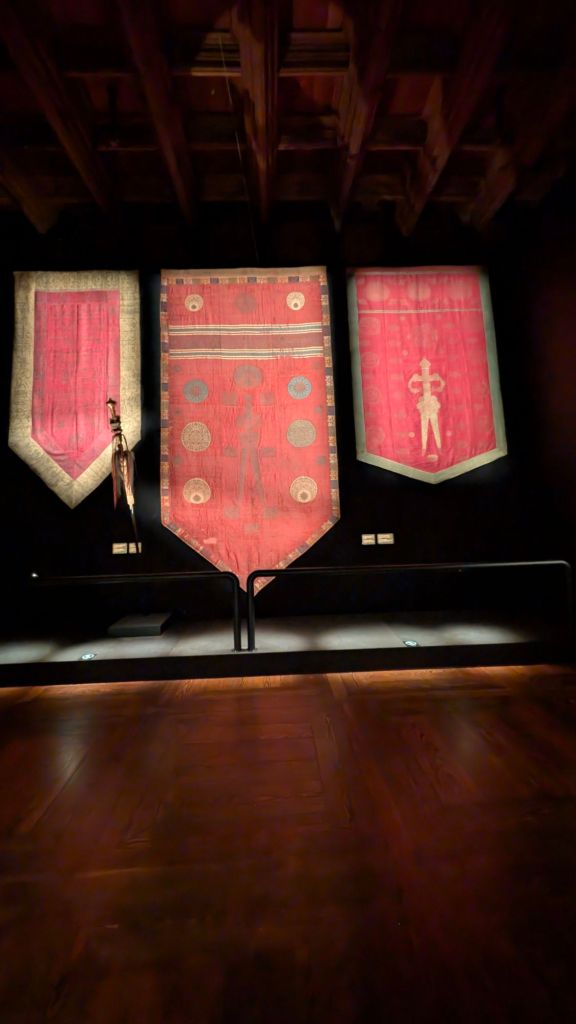
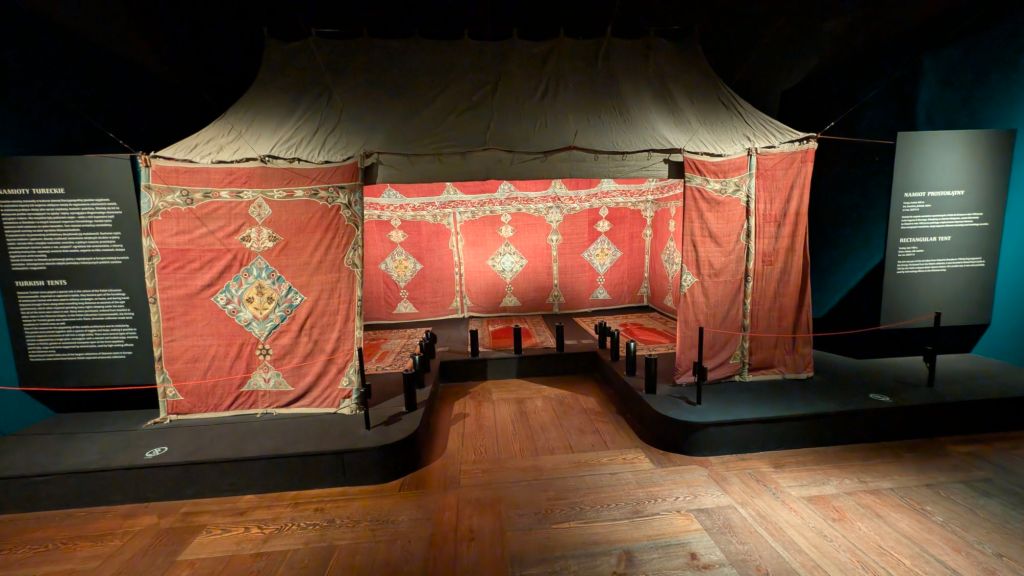
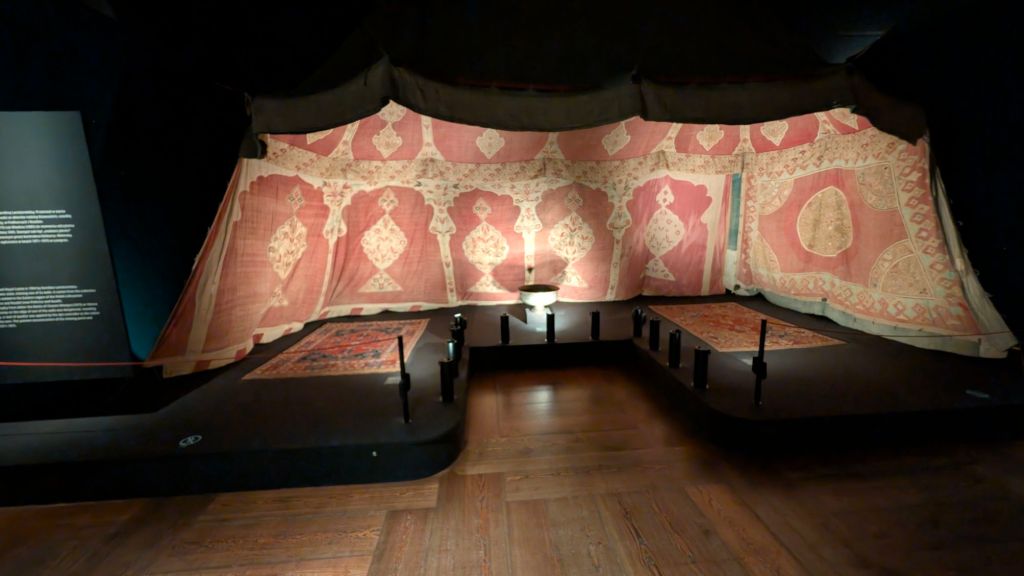
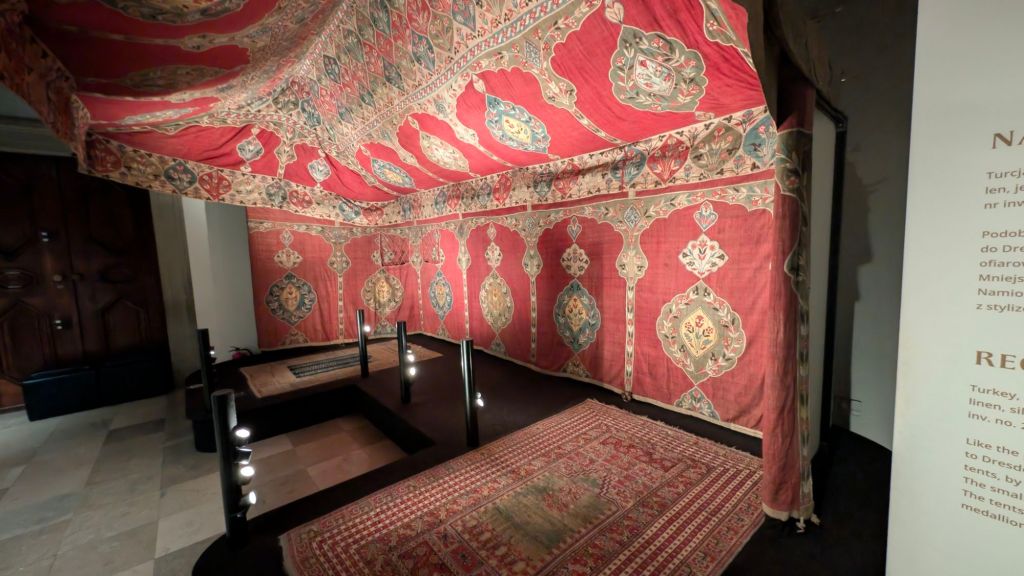
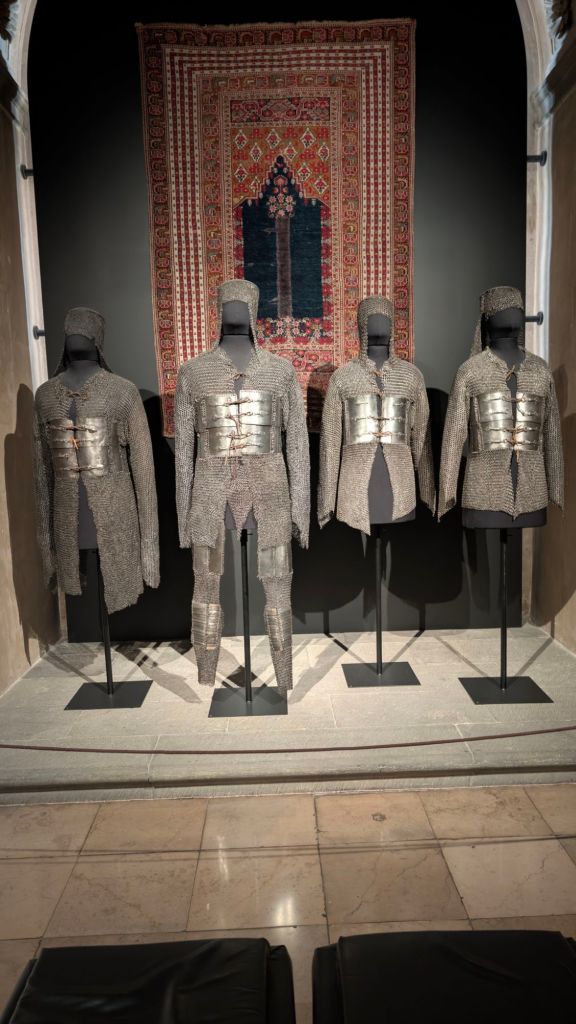
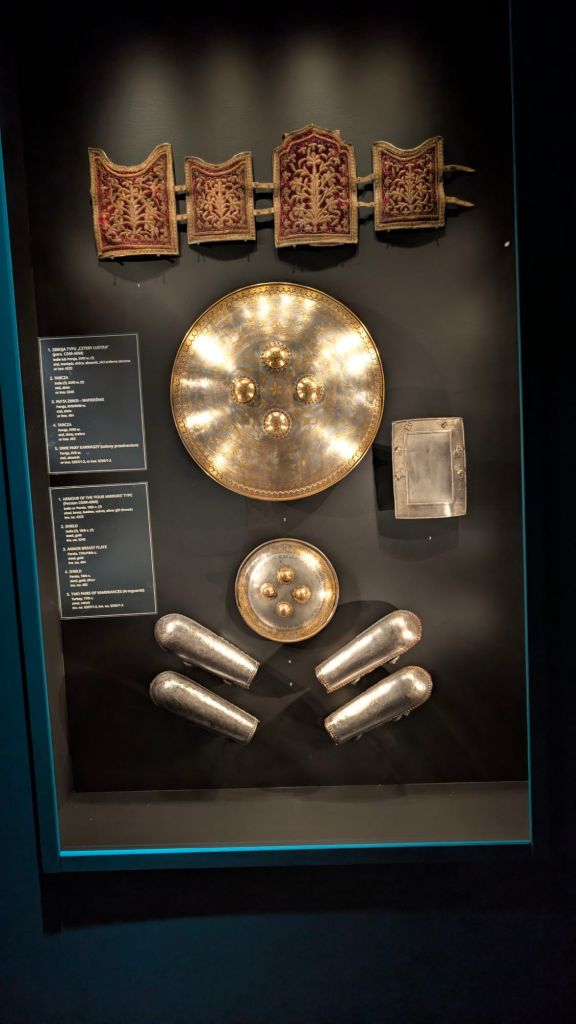
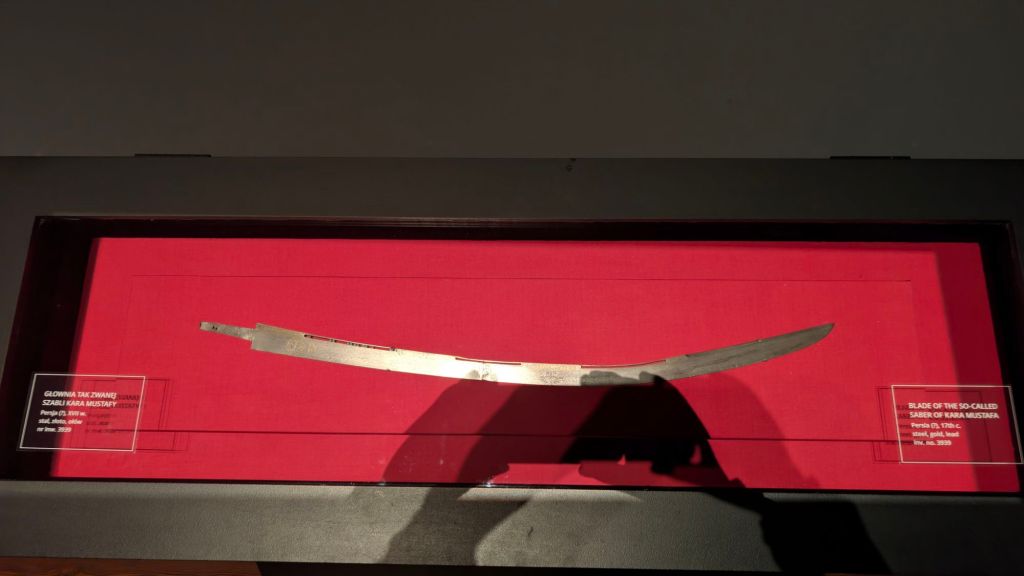
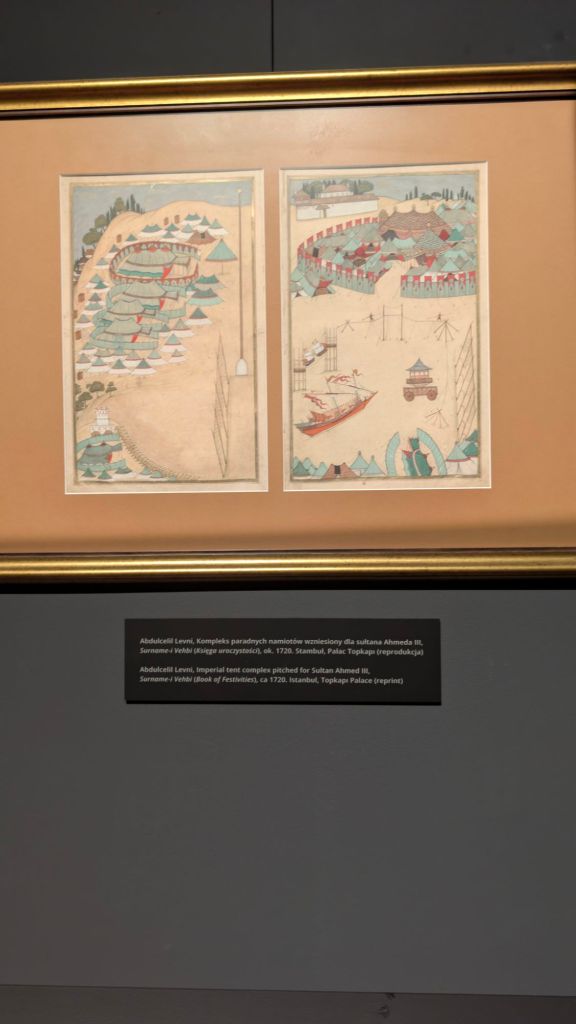
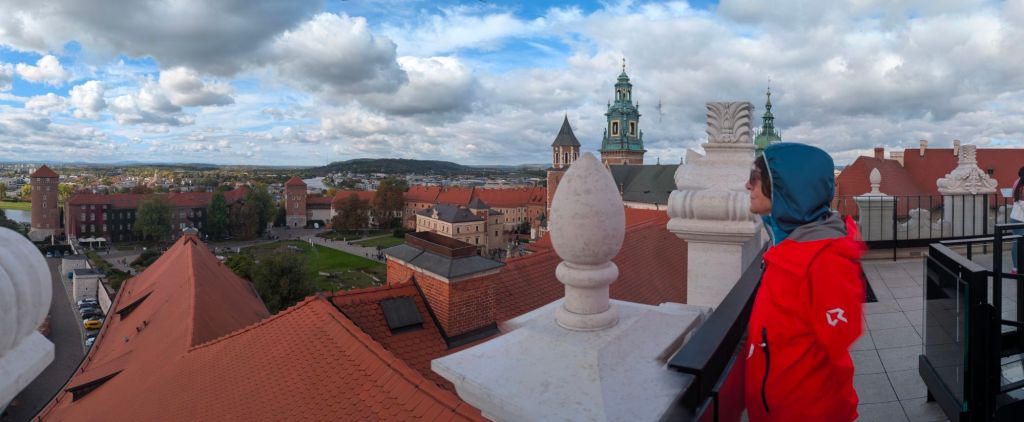
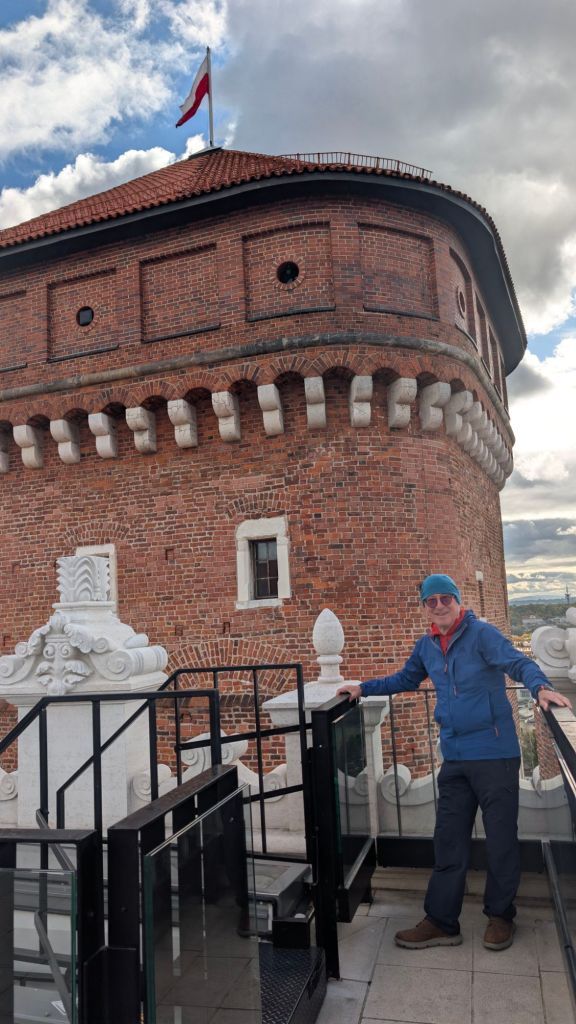
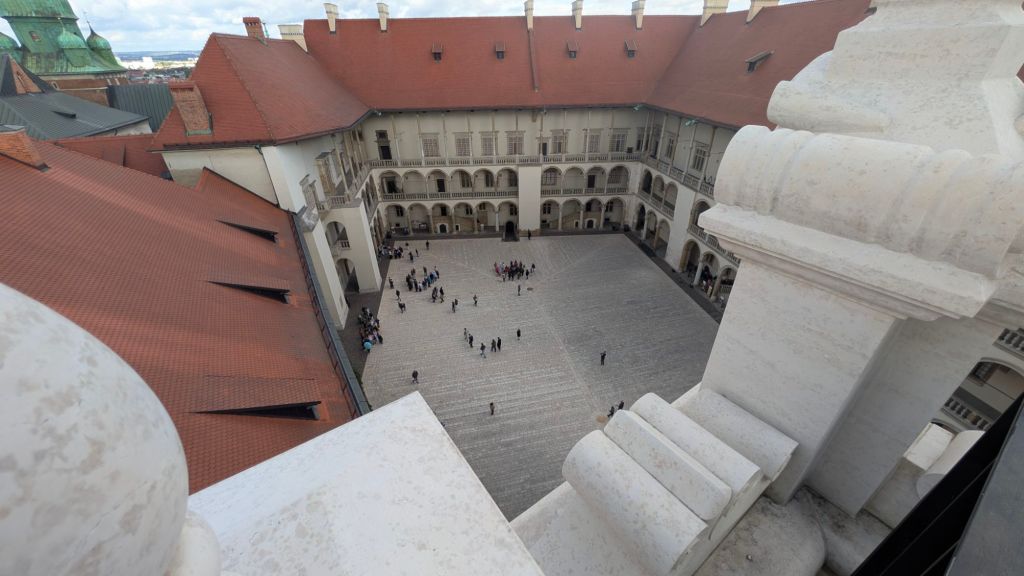
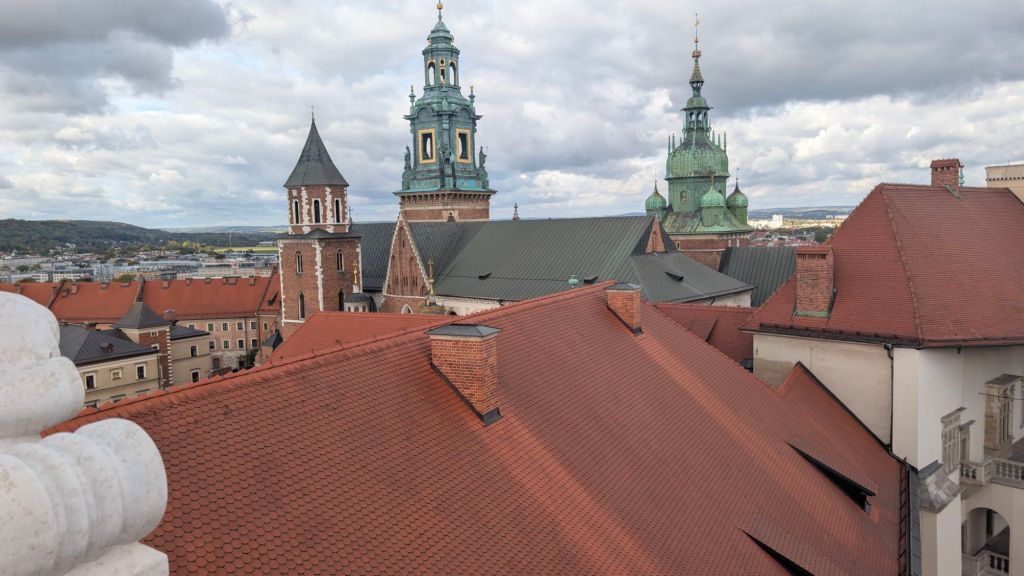
We had a ticket that allowed us access to the second level of the castle from 9:30 in the morning. On arrival, we quickly found our way there, and it was really worthwhile. The following pictures show some of the stuff that we saw.
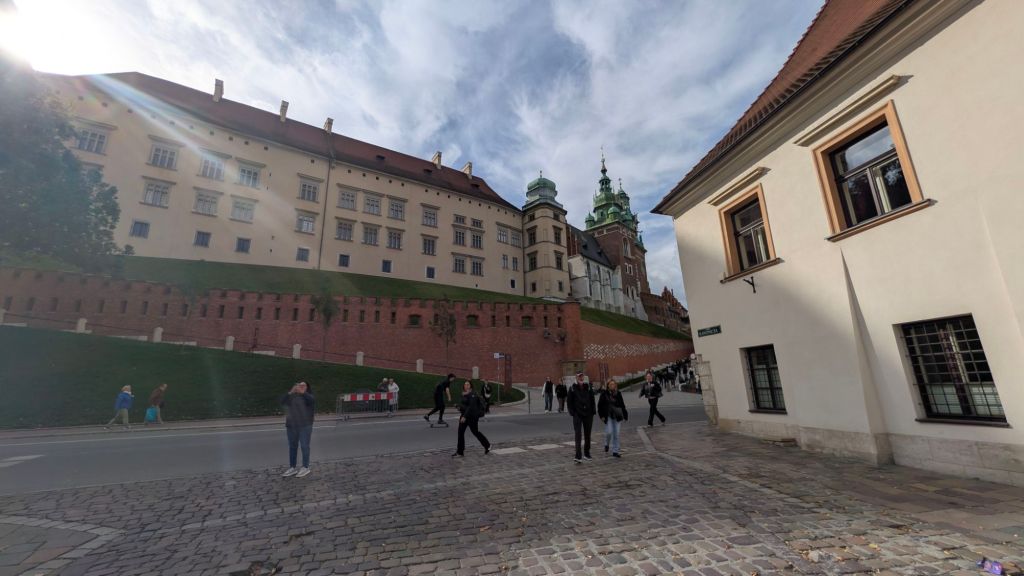
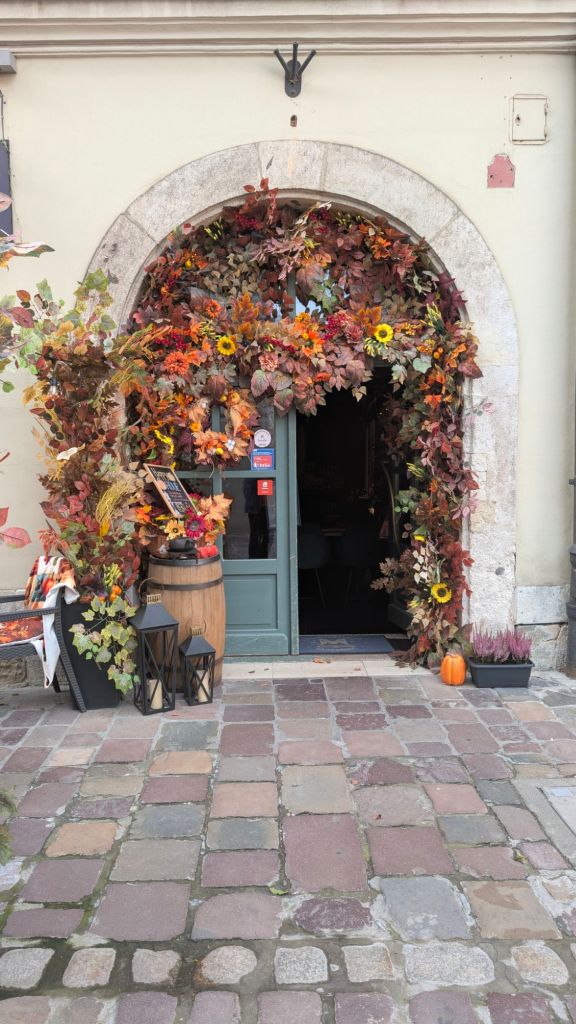
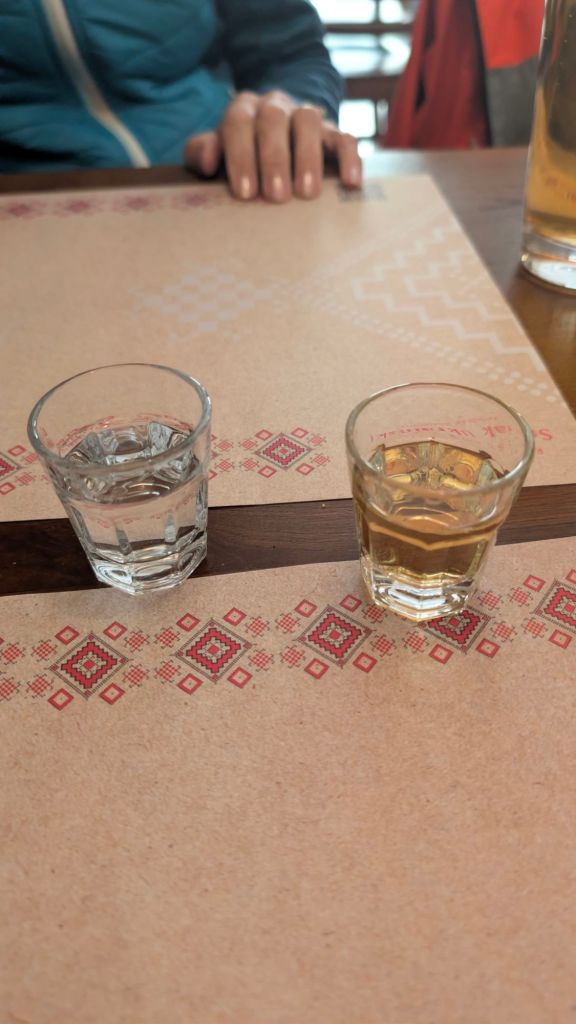
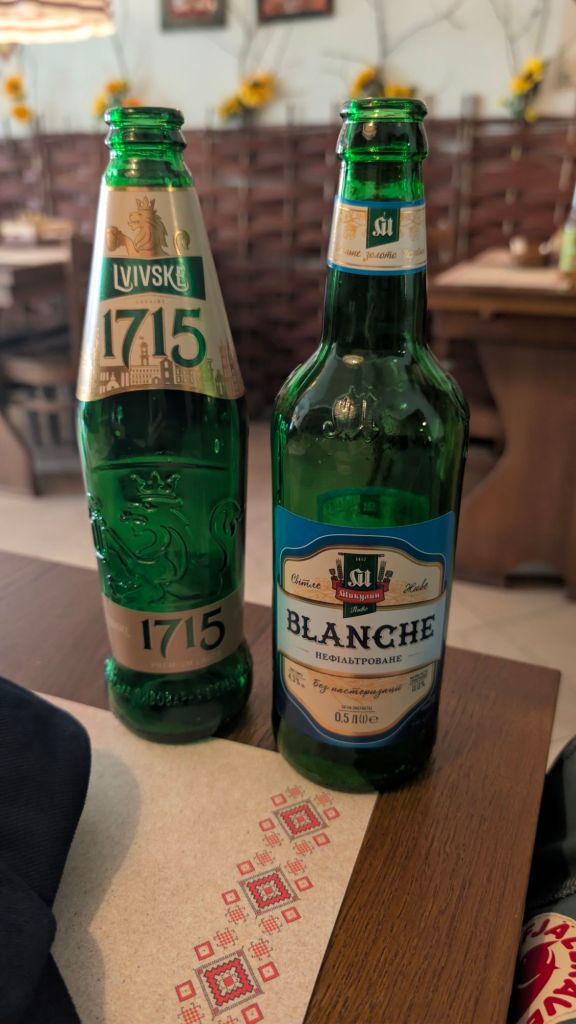
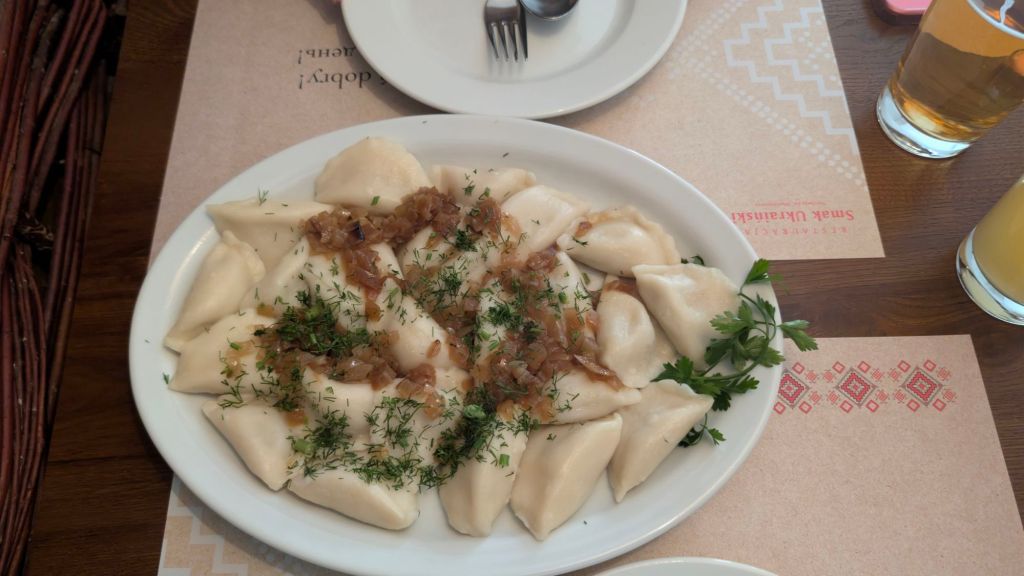
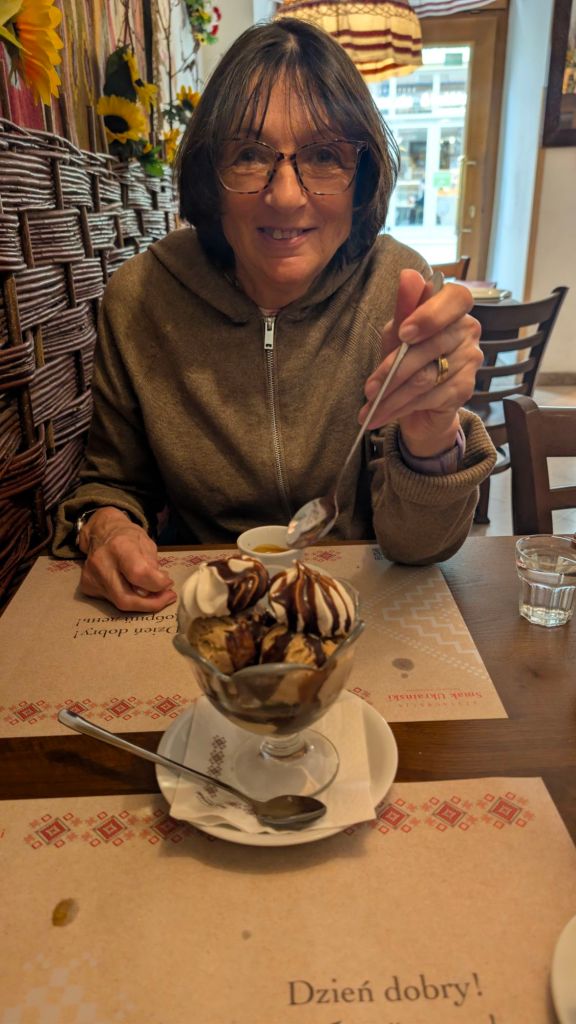
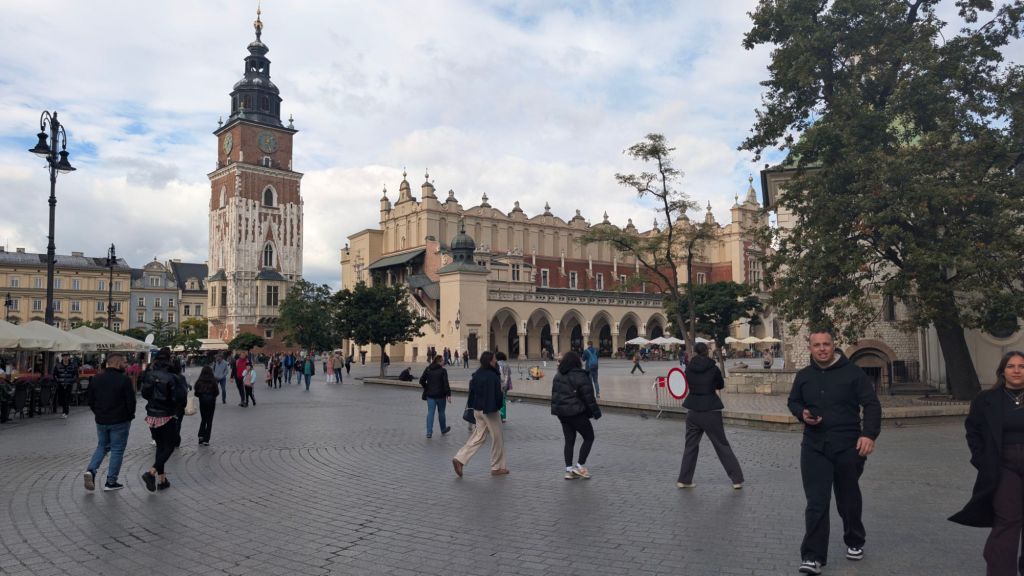
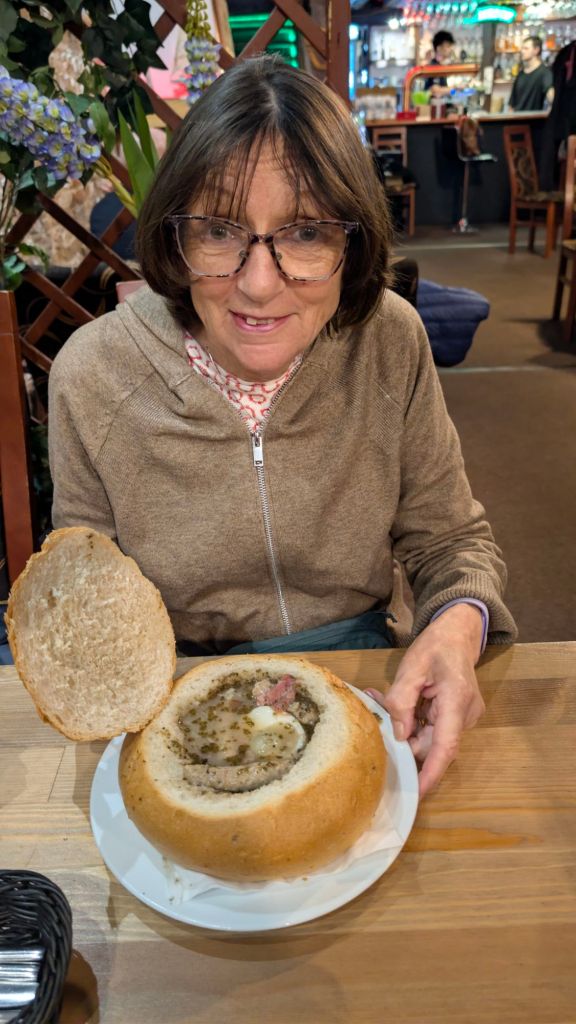
This is just a small percentage of the wonderful artwork that had been accumulated by the royal family, but once we’d finished, we left the castle and decided to walk to a place called Florian’s Gate. On the way, we found a rather nice Ukrainian restaurant where we ate dumplings, drank honey vodka (which was superb), followed by ice cream.
The rest of the afternoon has been filled by window shopping and buying pointless things. Lol
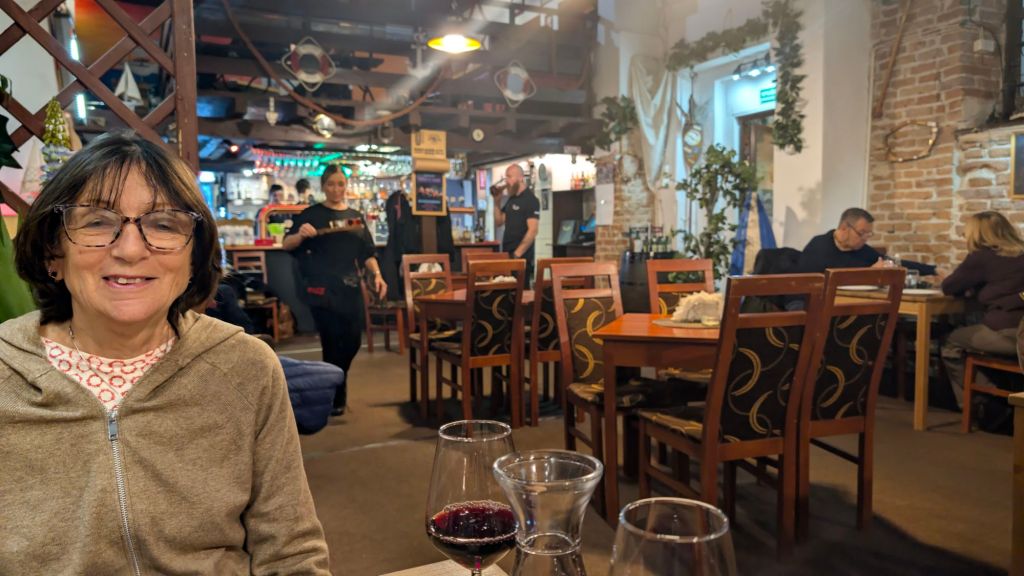
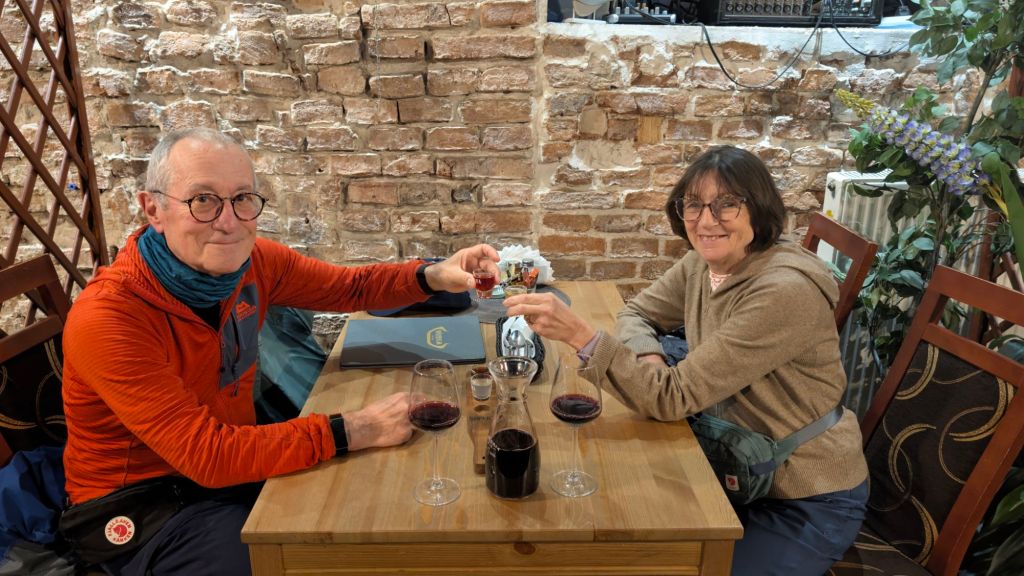
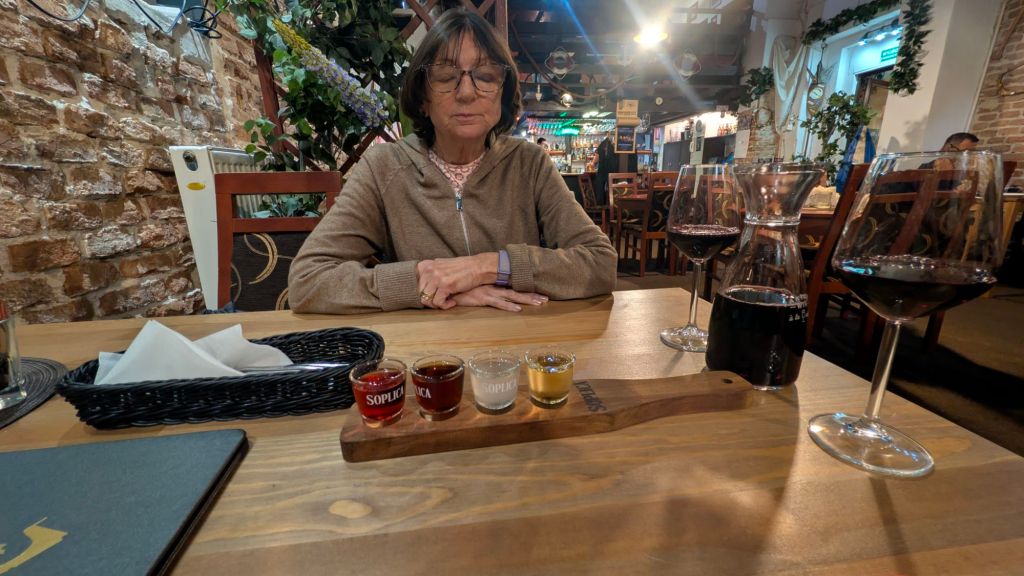
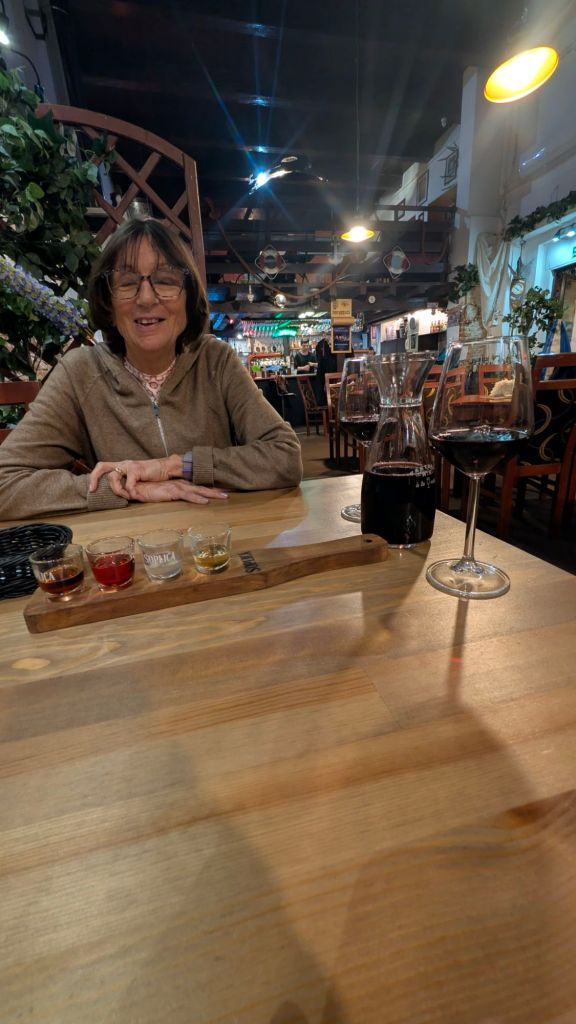
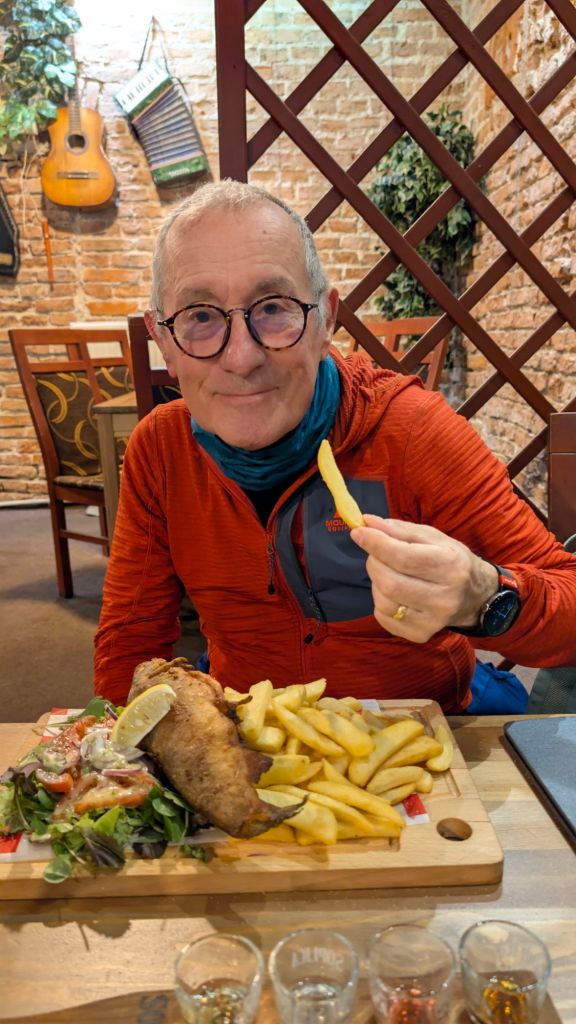
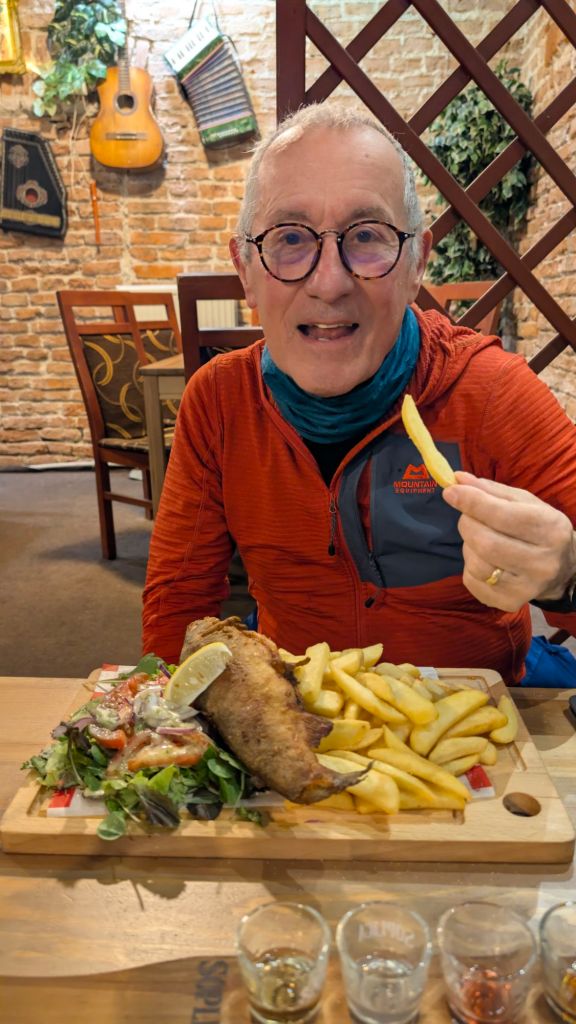
Later in the afternoon we went to the restaurant across the road from our hotel and had a delicious meal along with a flight of different vodkas and red wine
A difficult day for me so we will keep it separate from the trip.
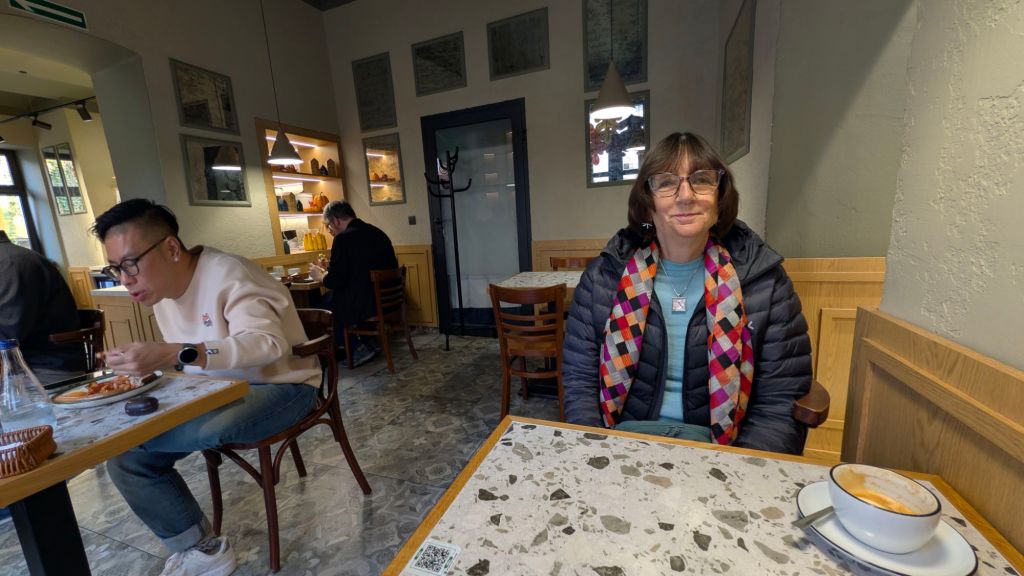
Today started with breakfast in the cafe below our bedroom.
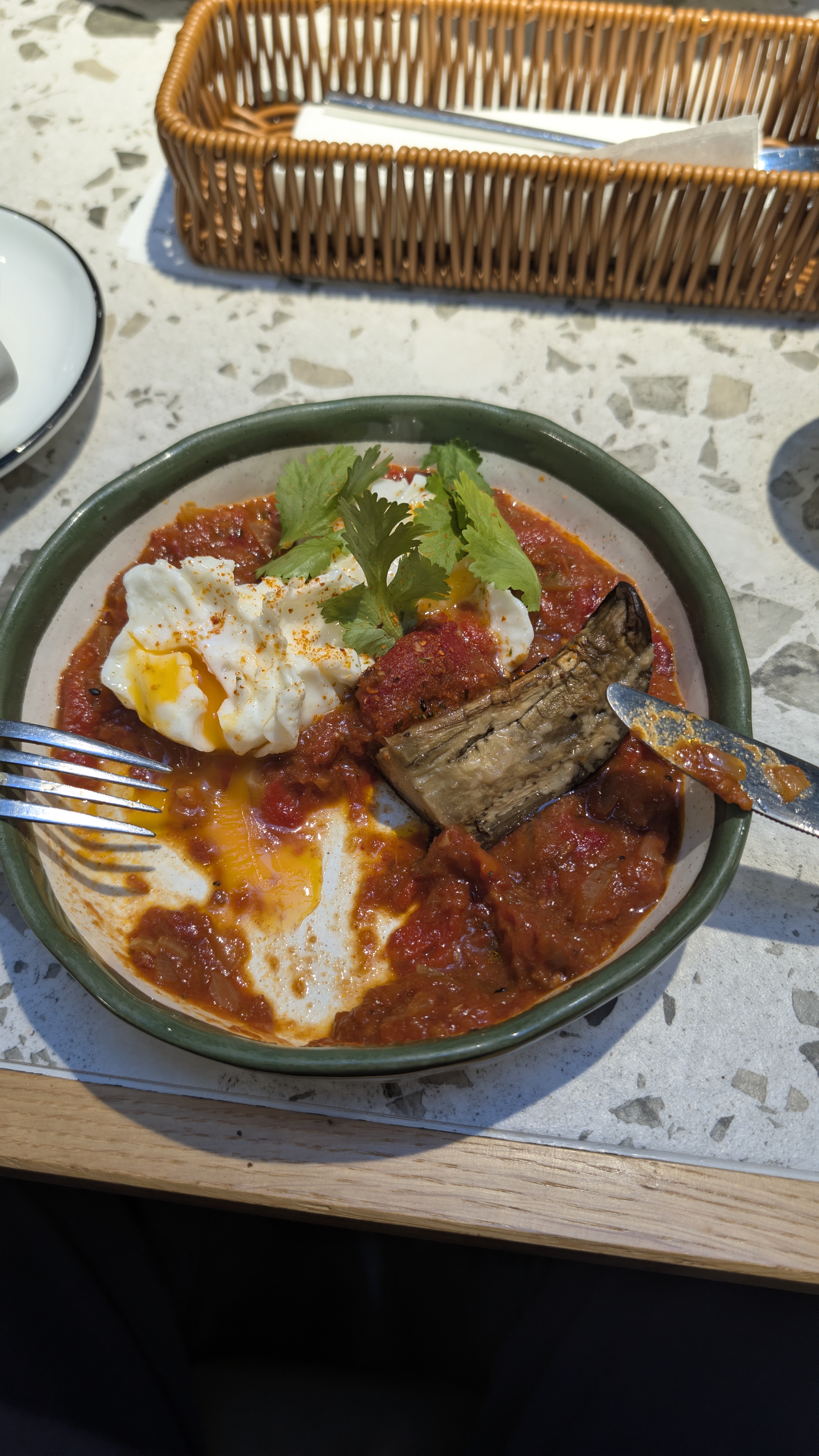
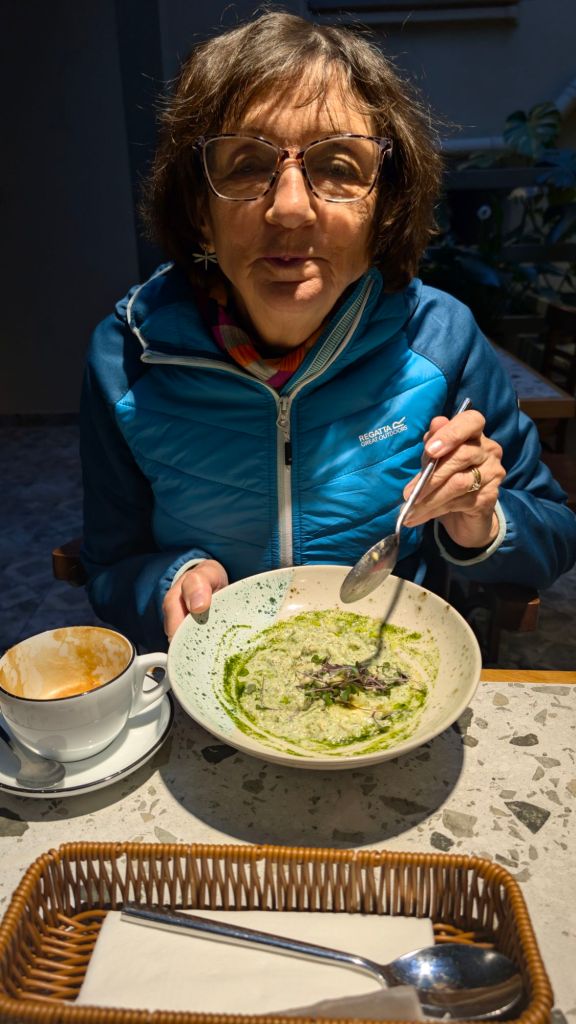
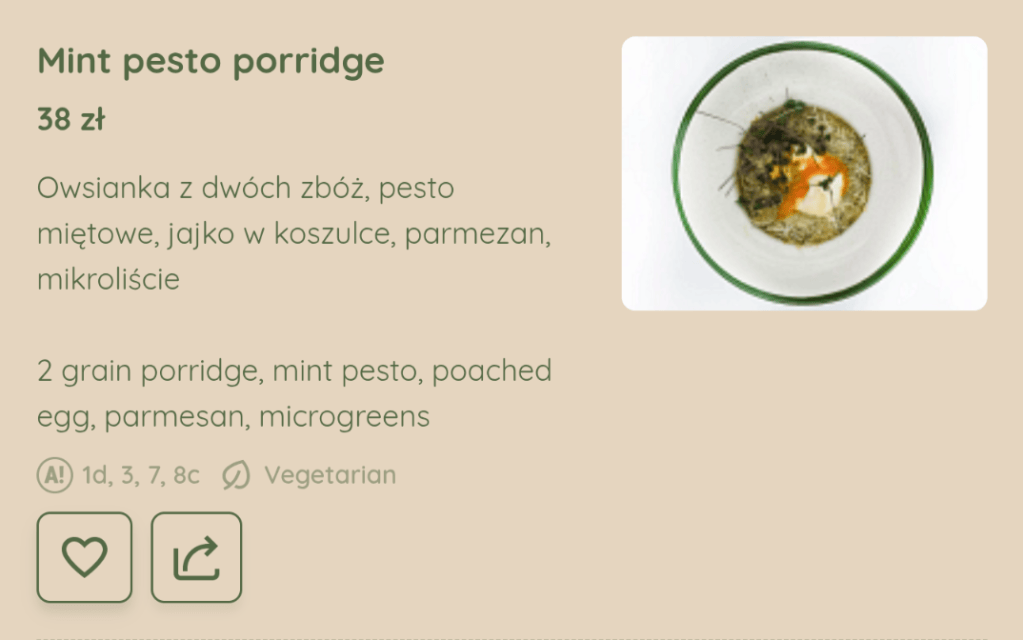
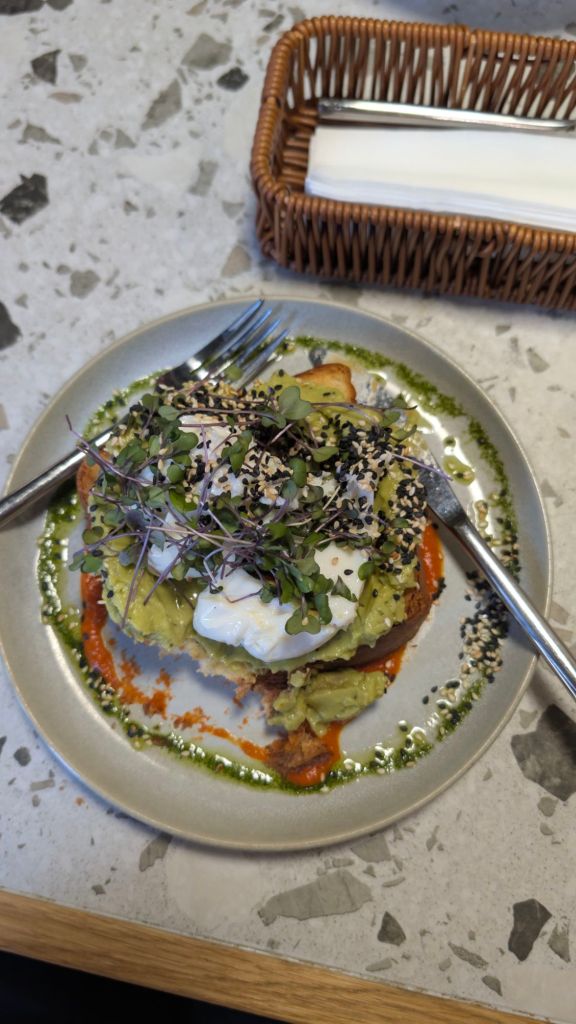
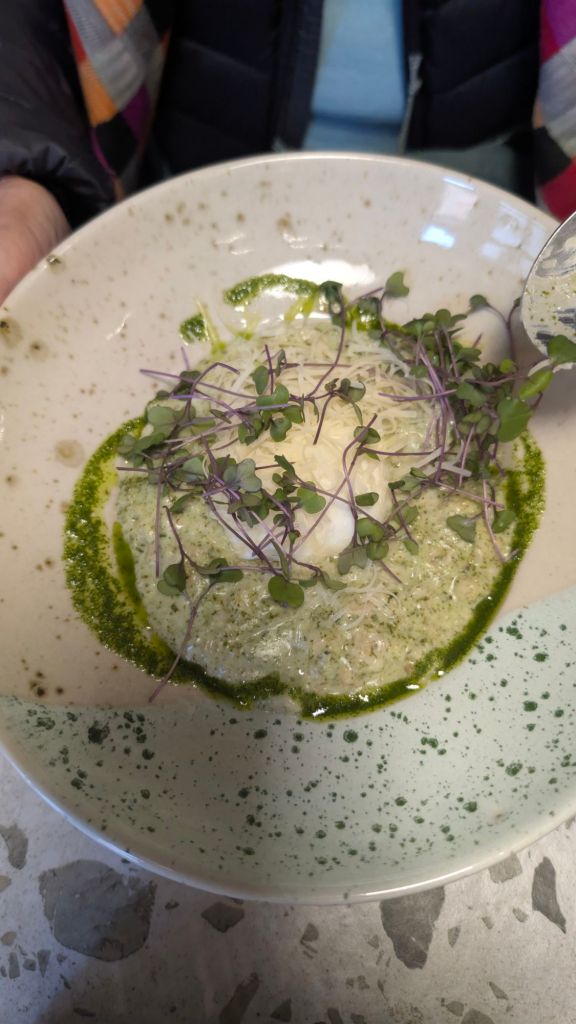
Val having a delicious porridge again. I had shakshuka.
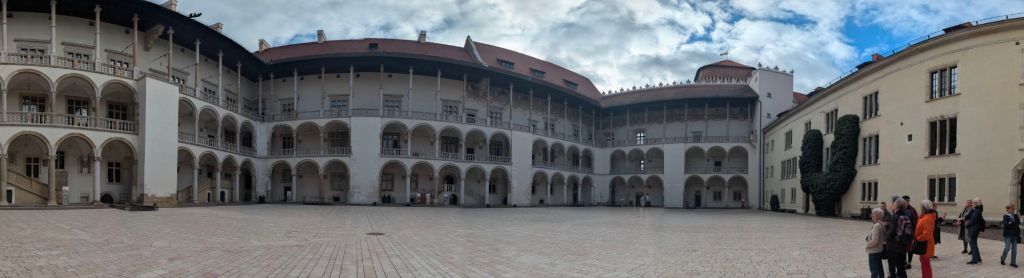
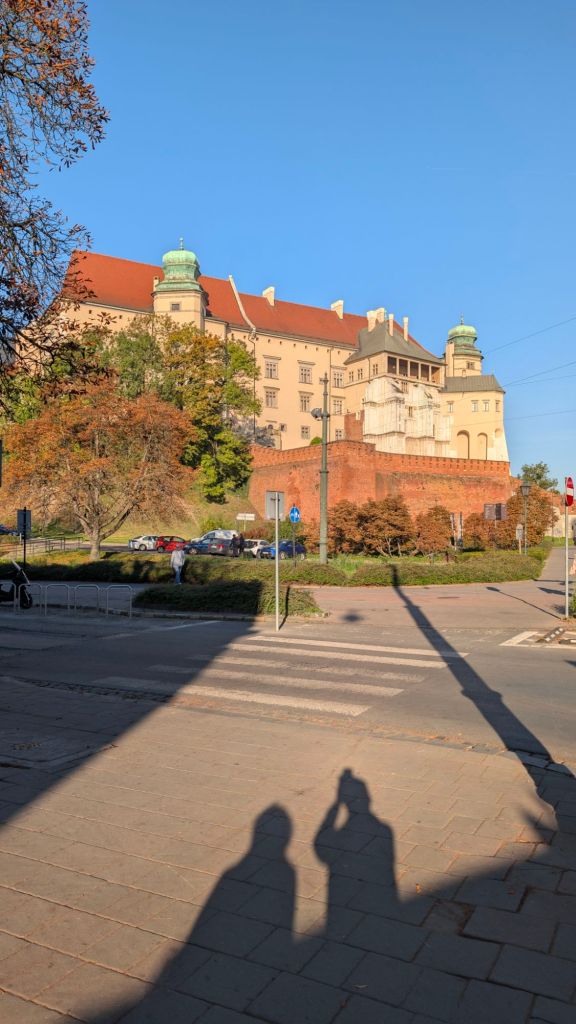
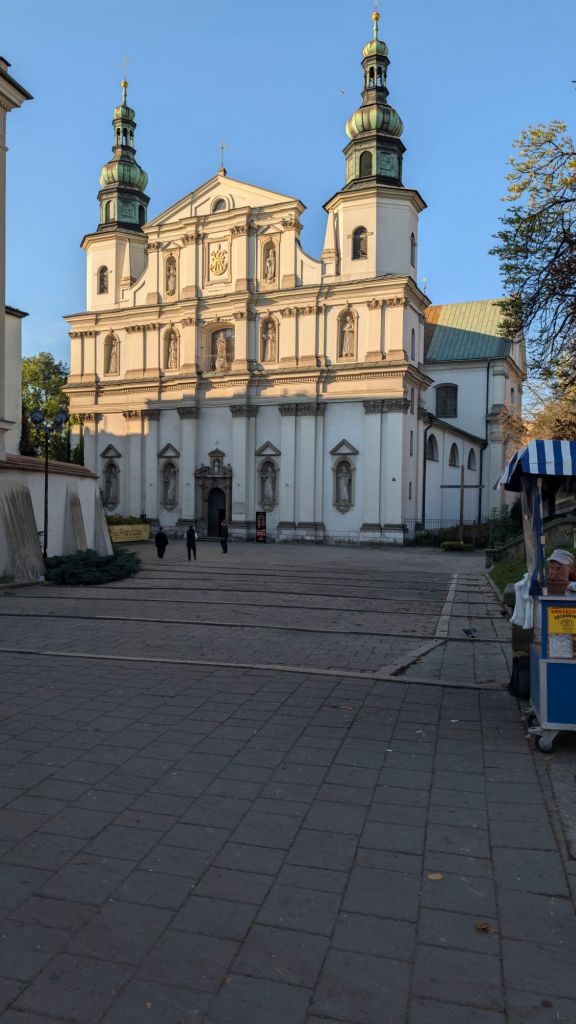
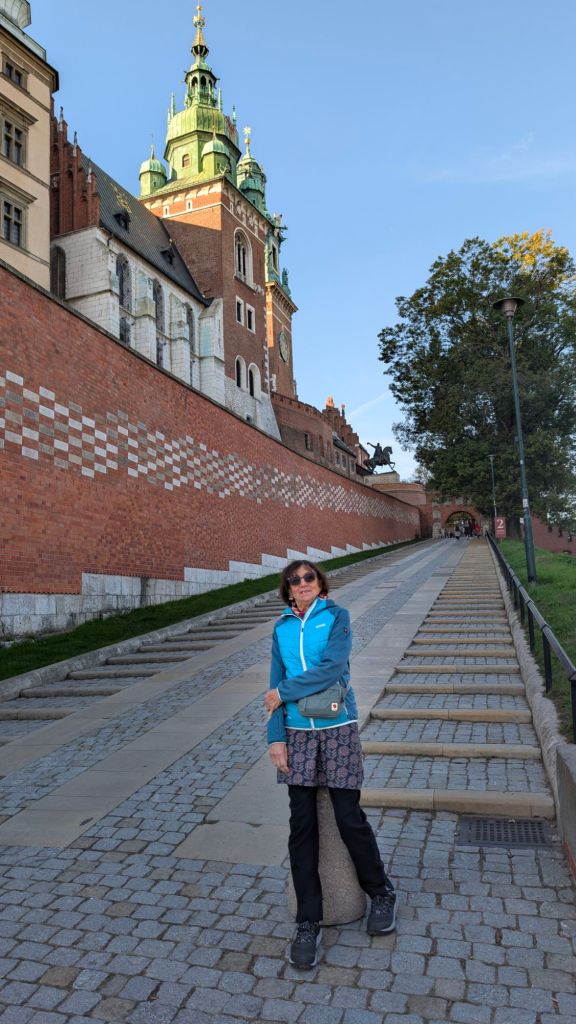
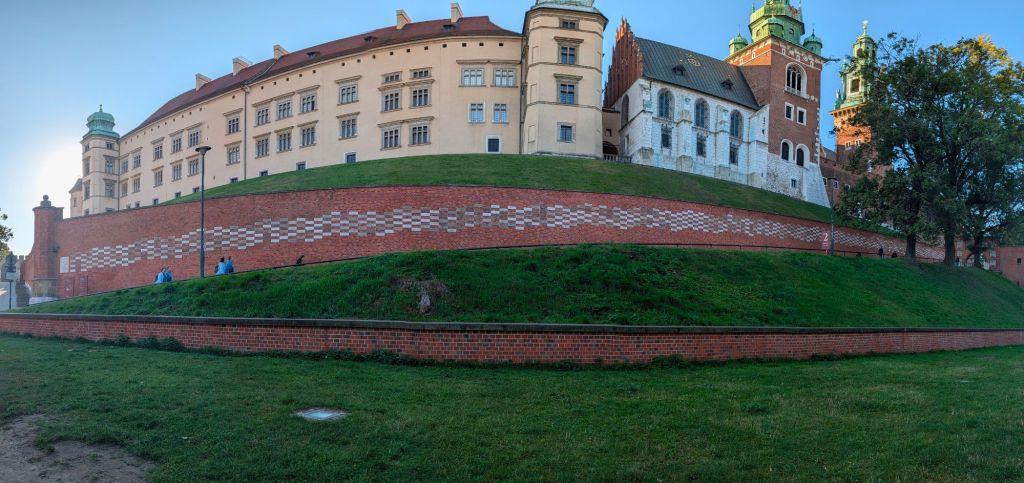
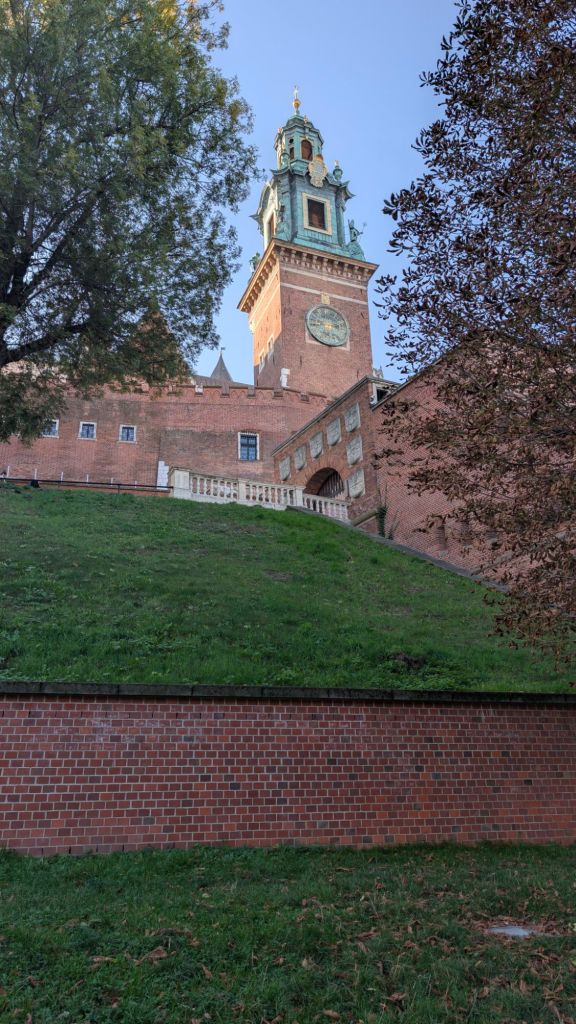
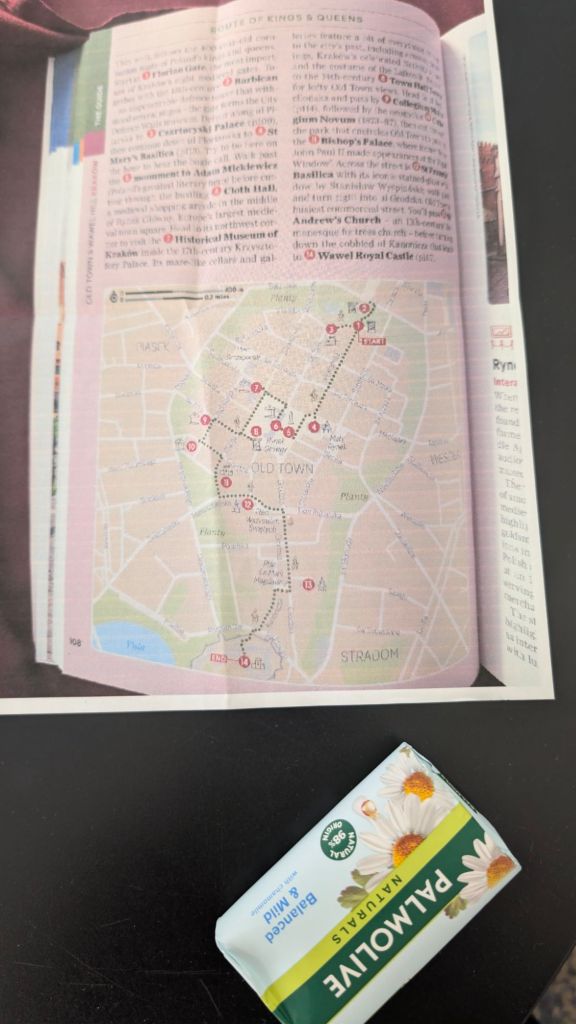
Once breakfast over, we had time to kill, so we had a walk to find the castle where we will visit tomorrow.
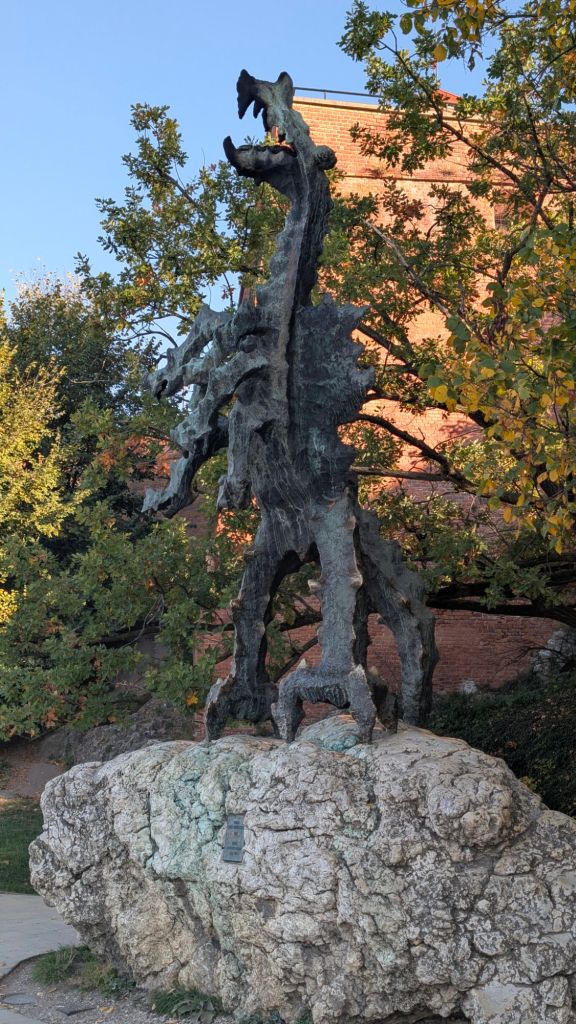
The Dragon of Krakow.
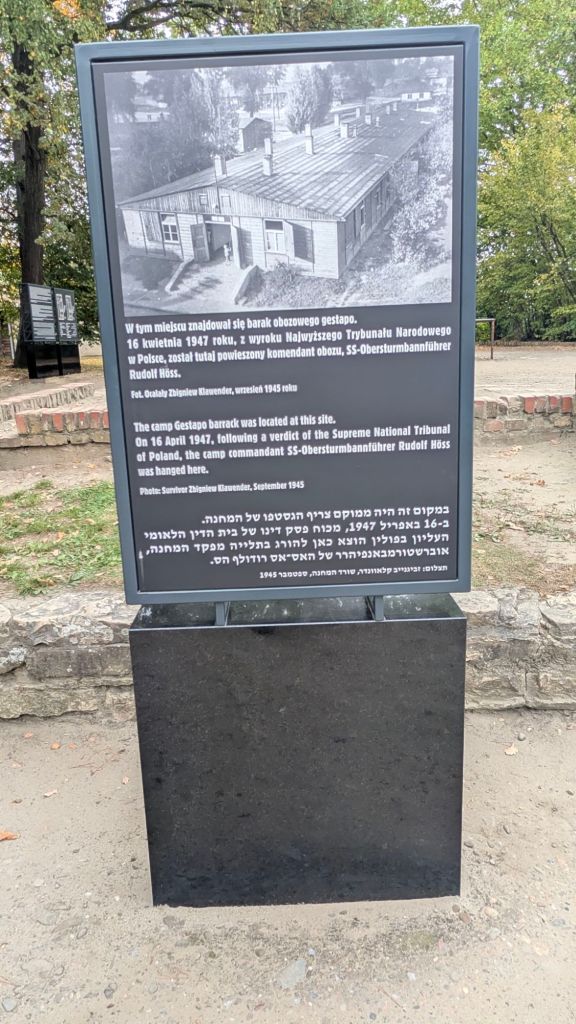
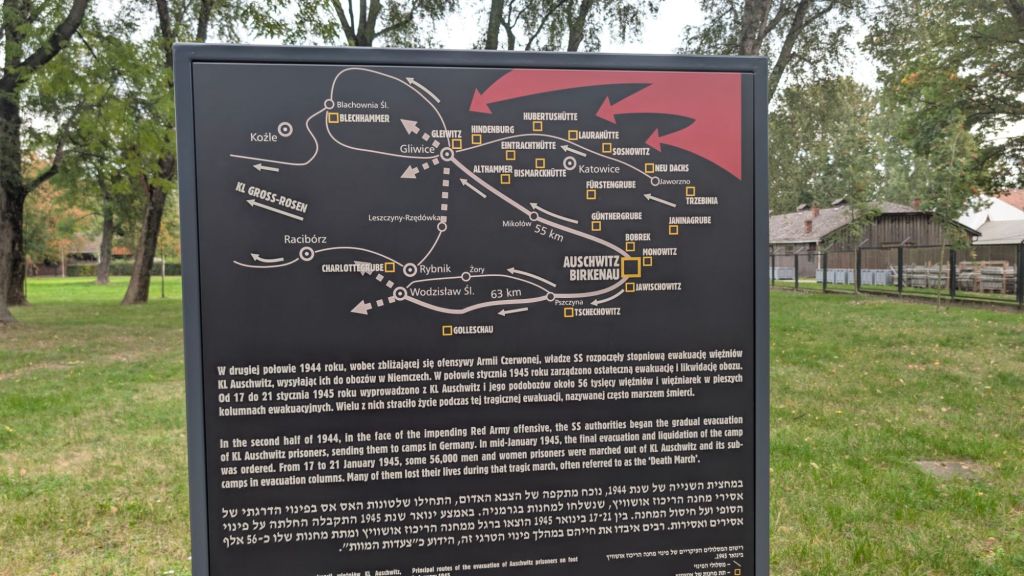
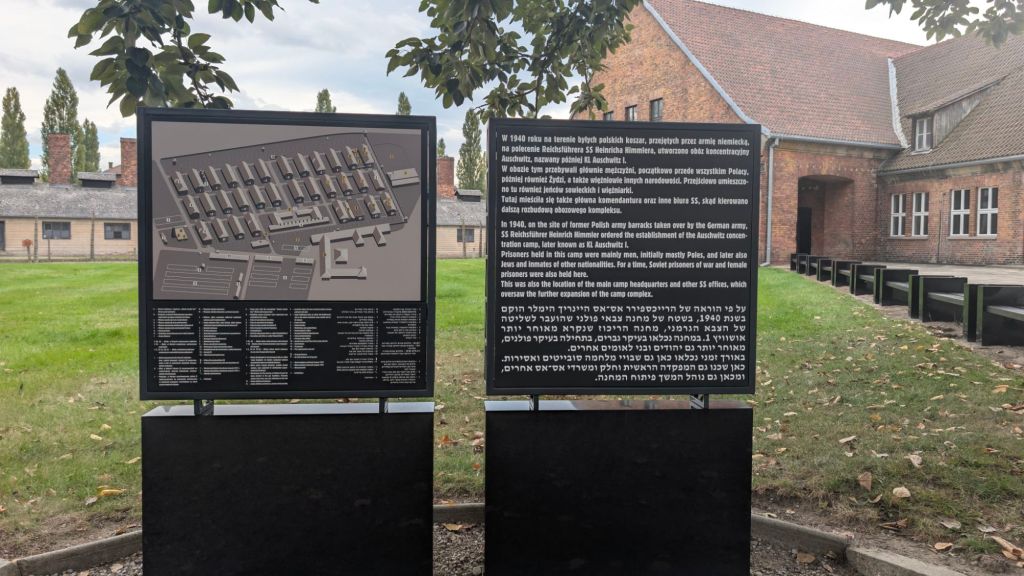
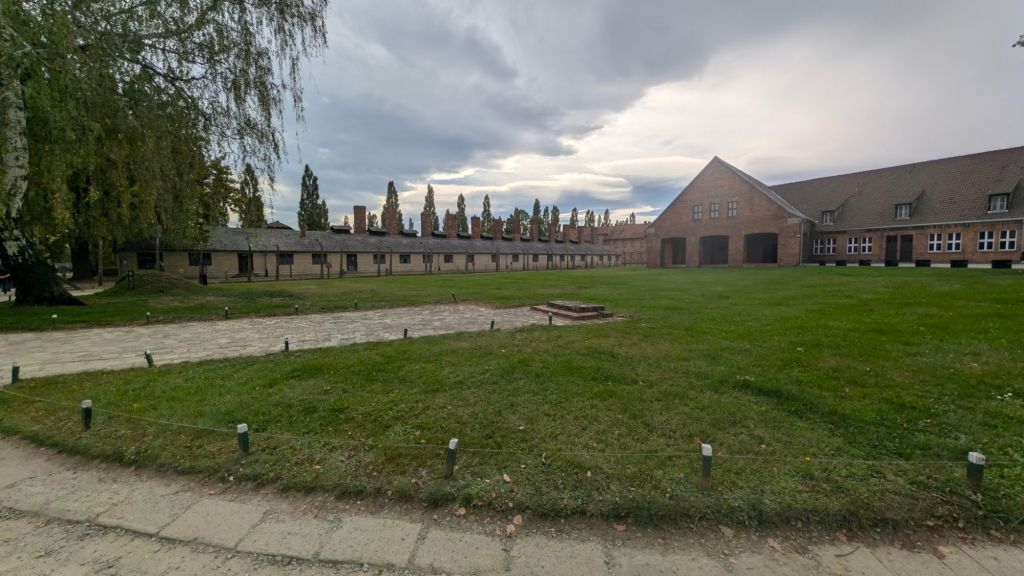
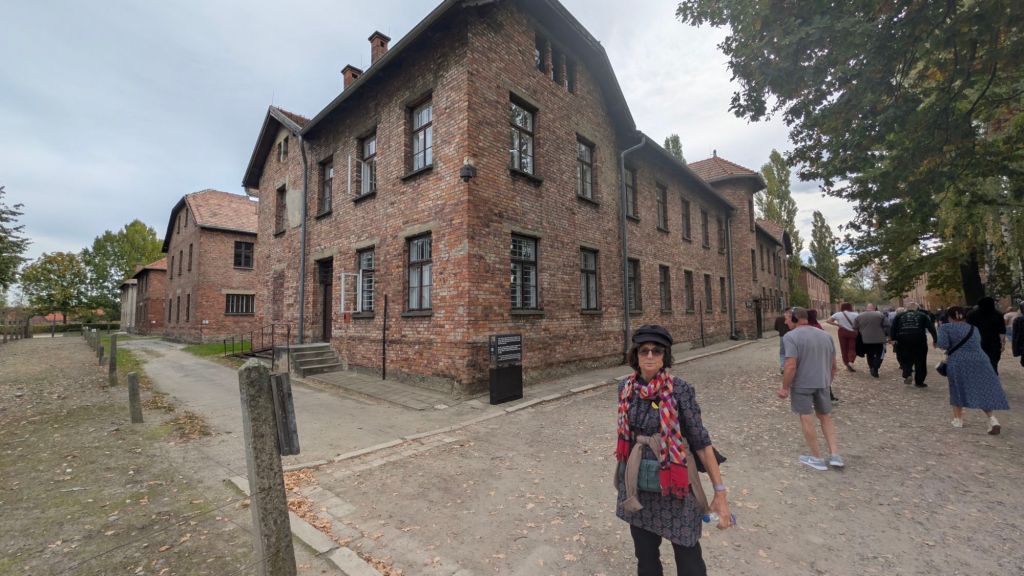
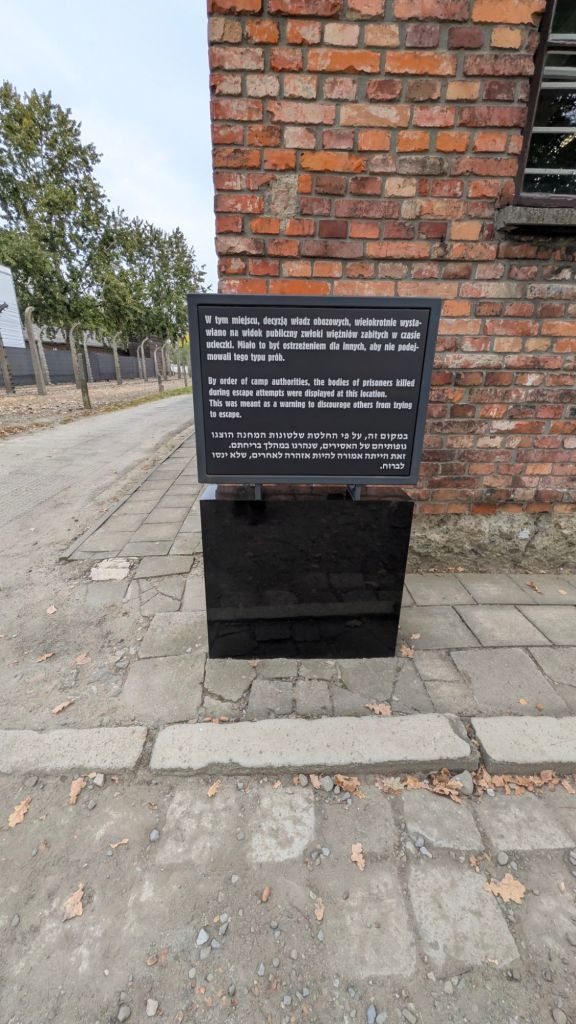
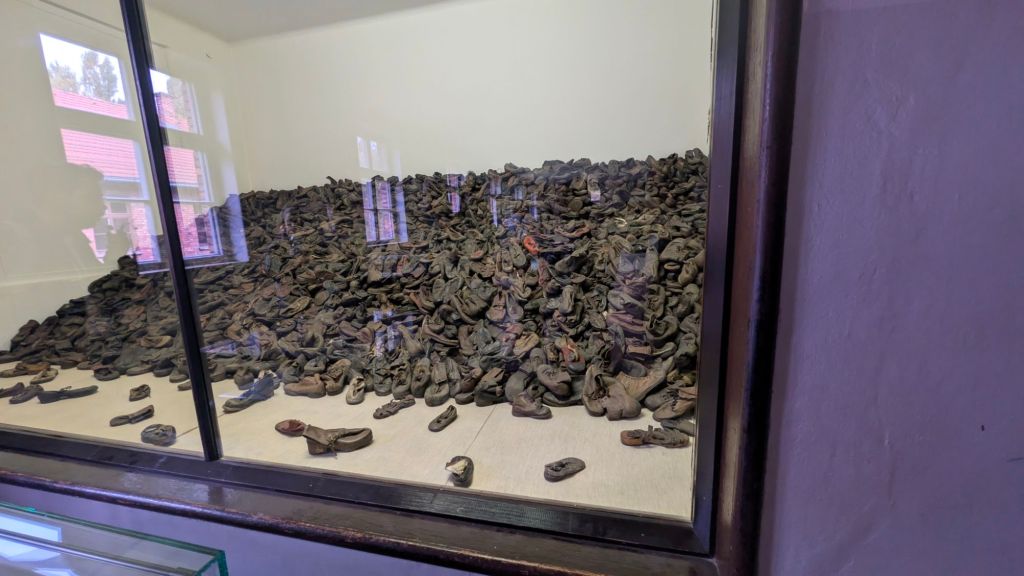
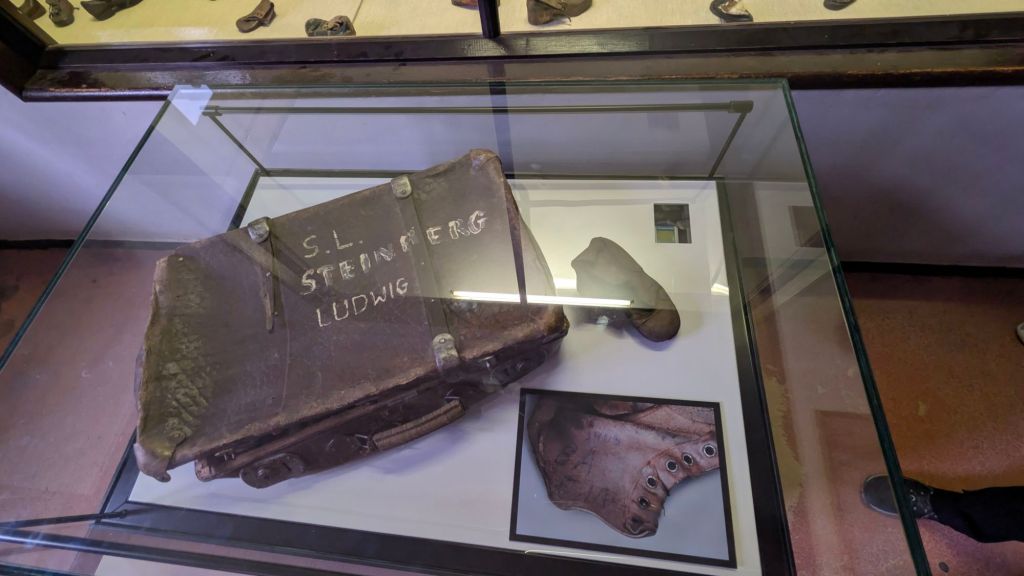
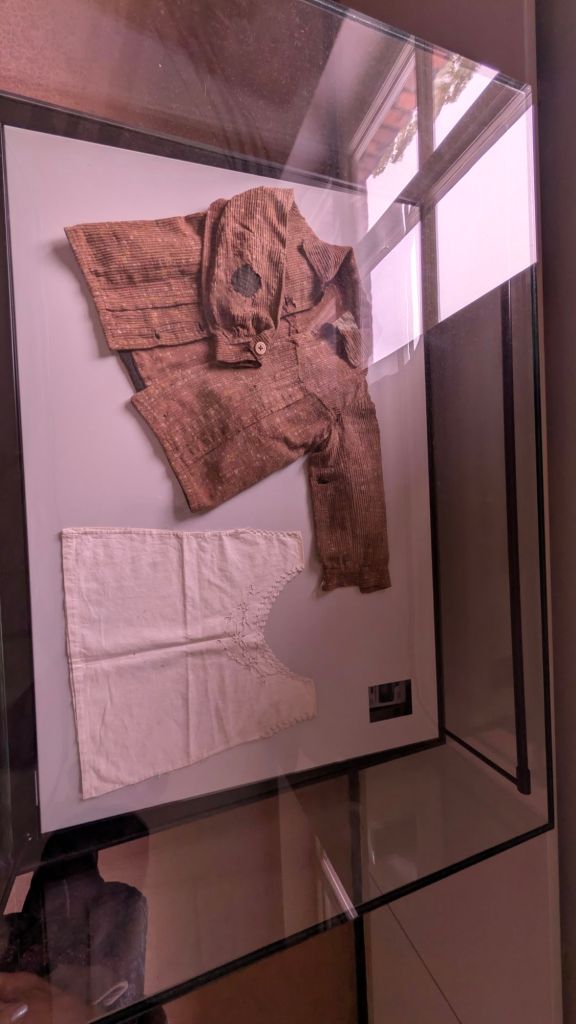
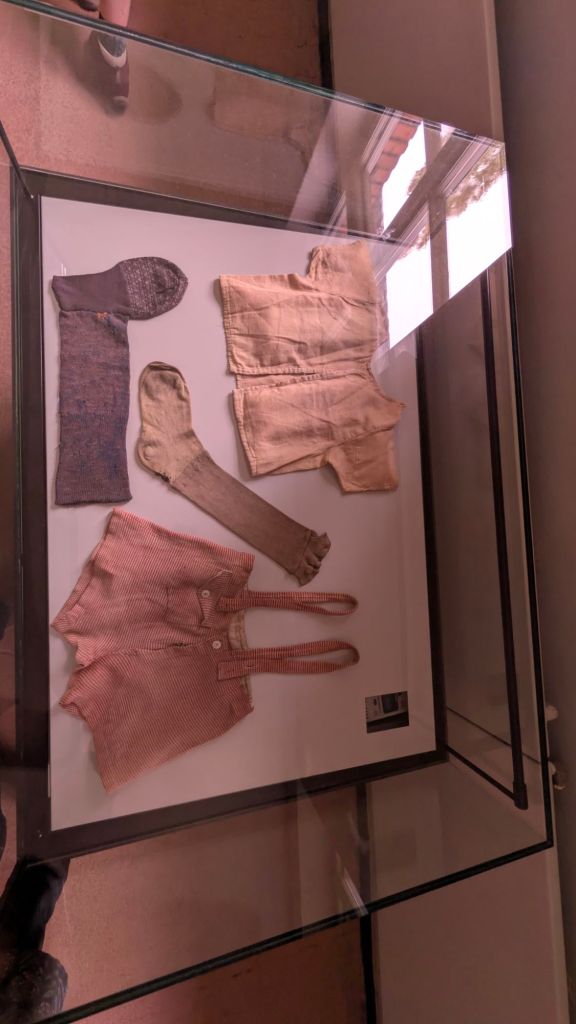
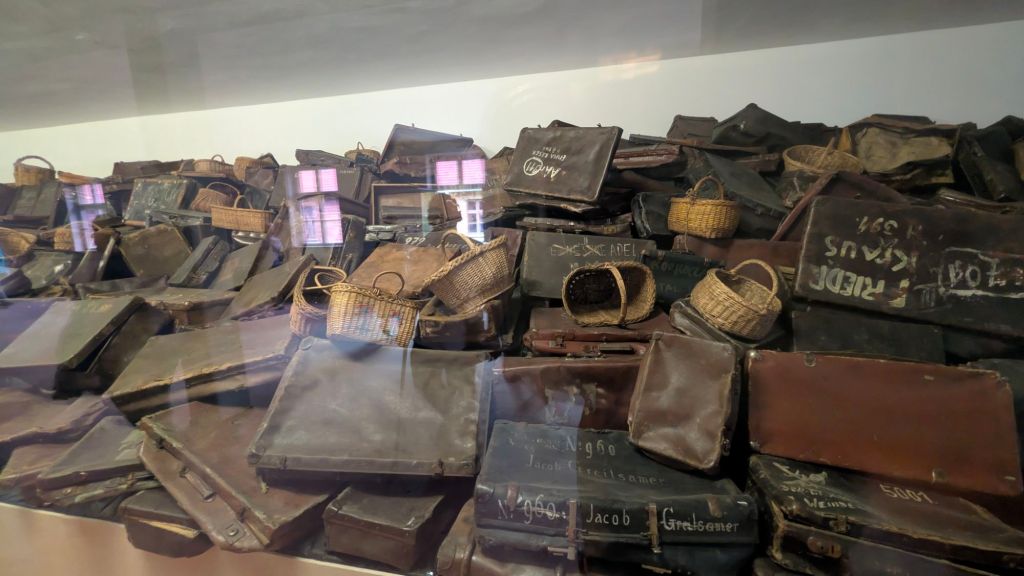
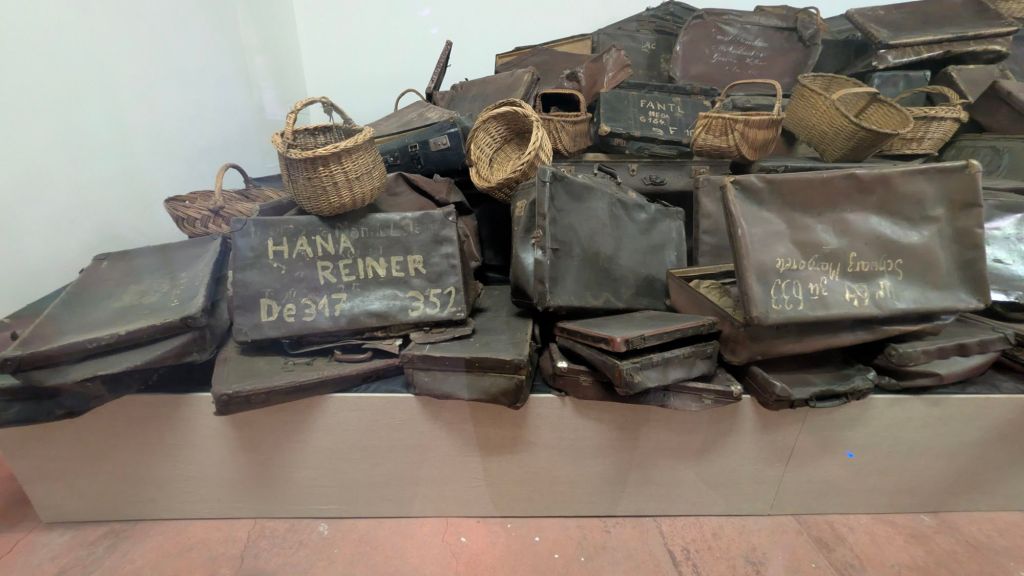
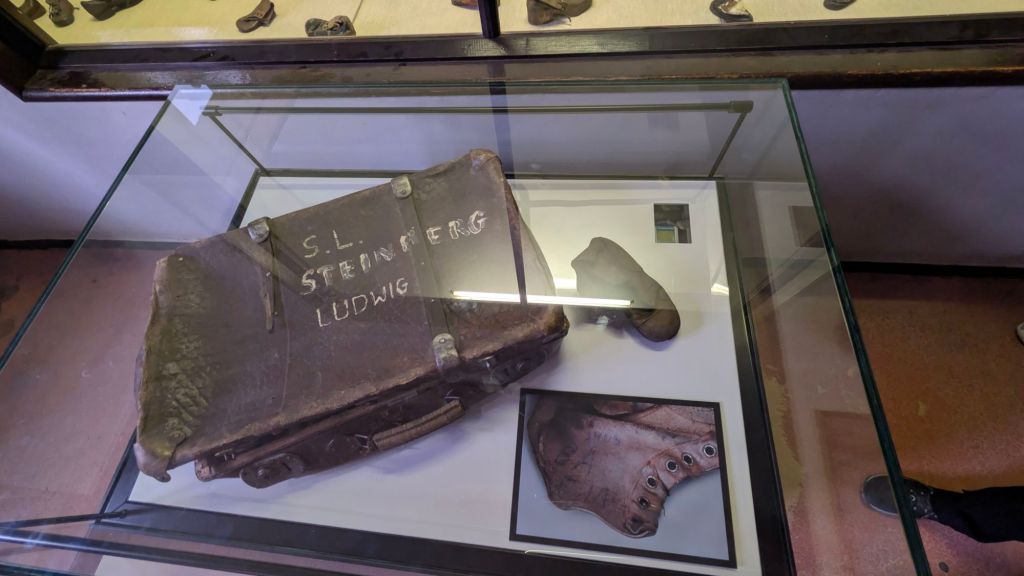
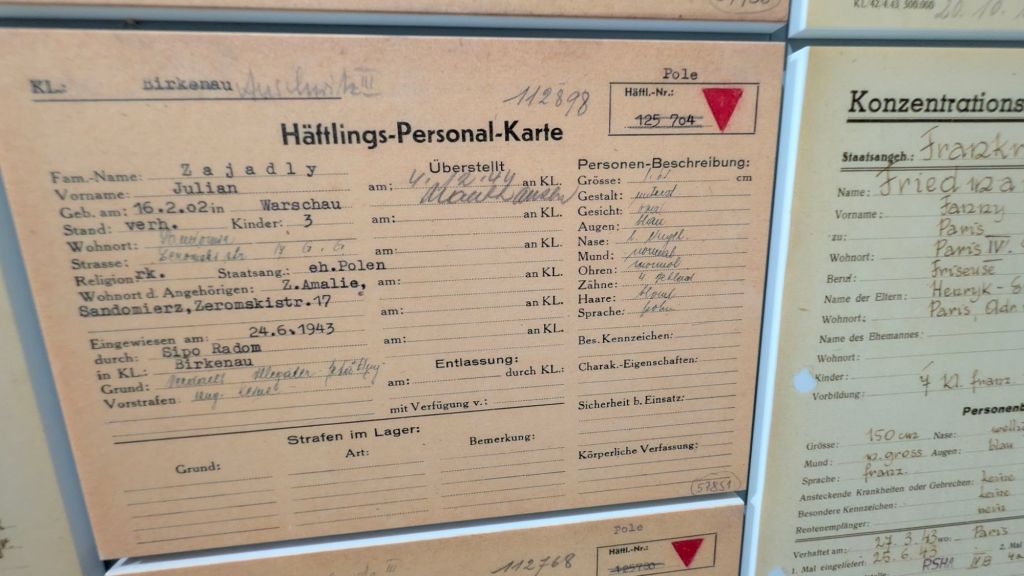
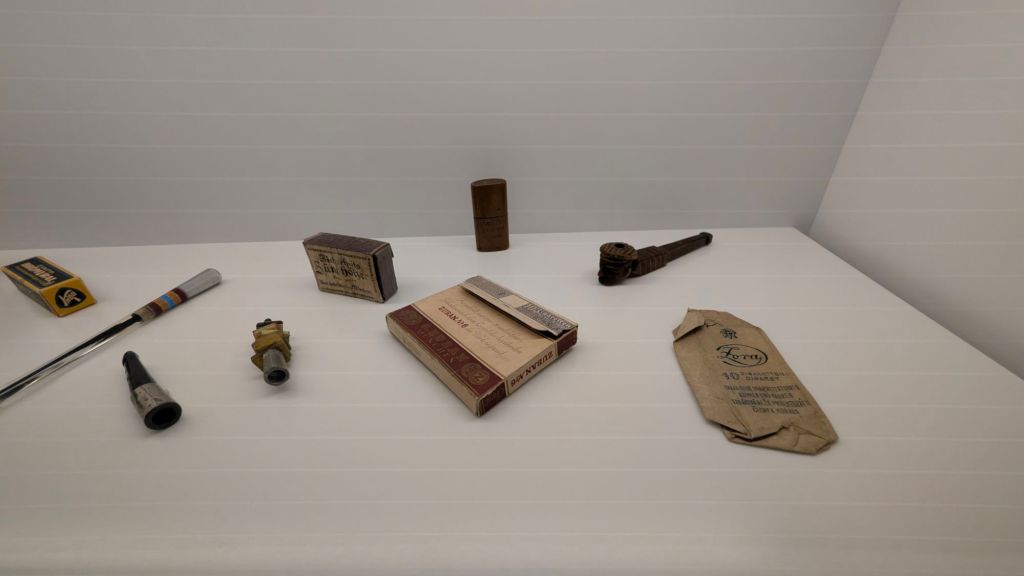
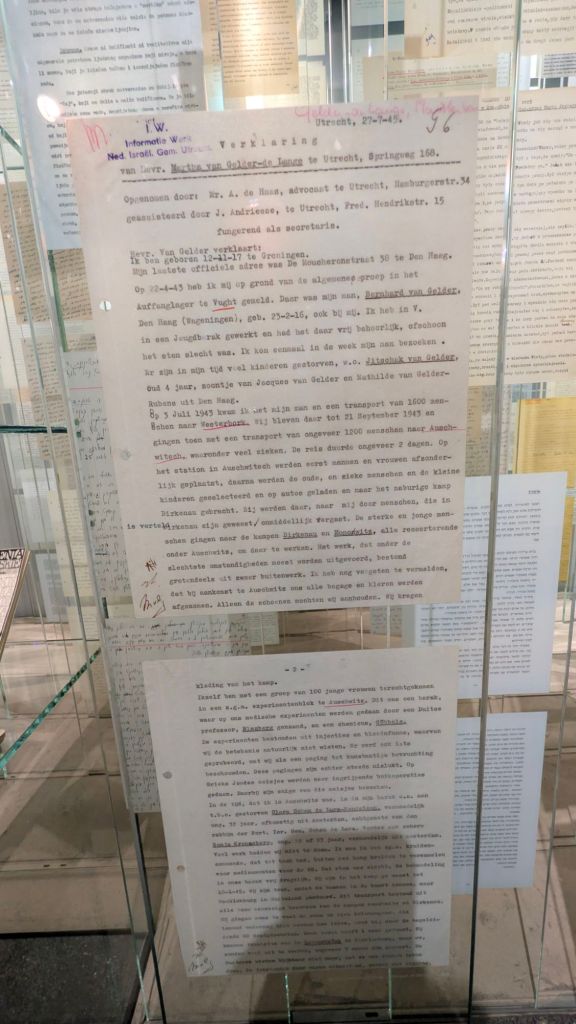
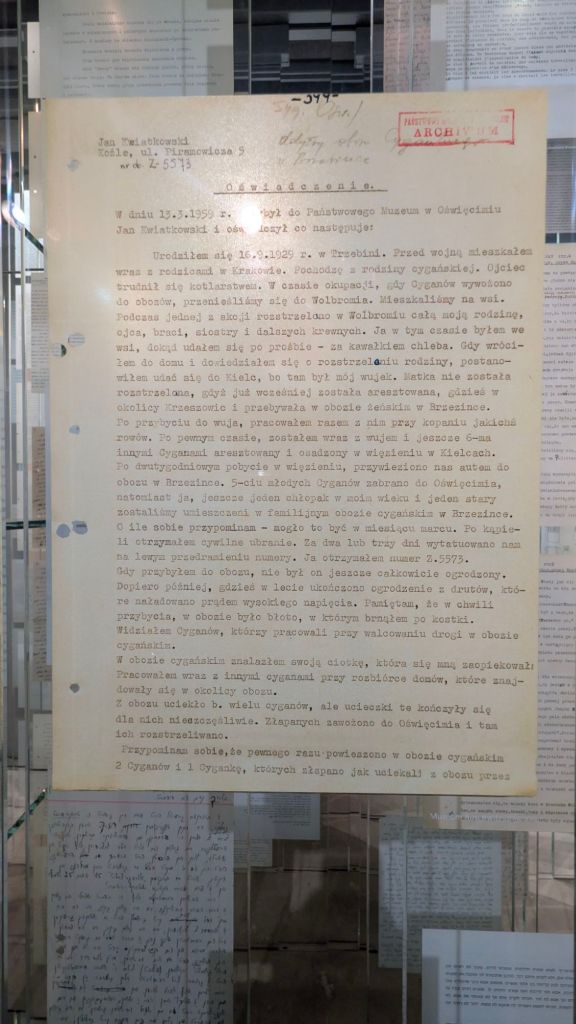
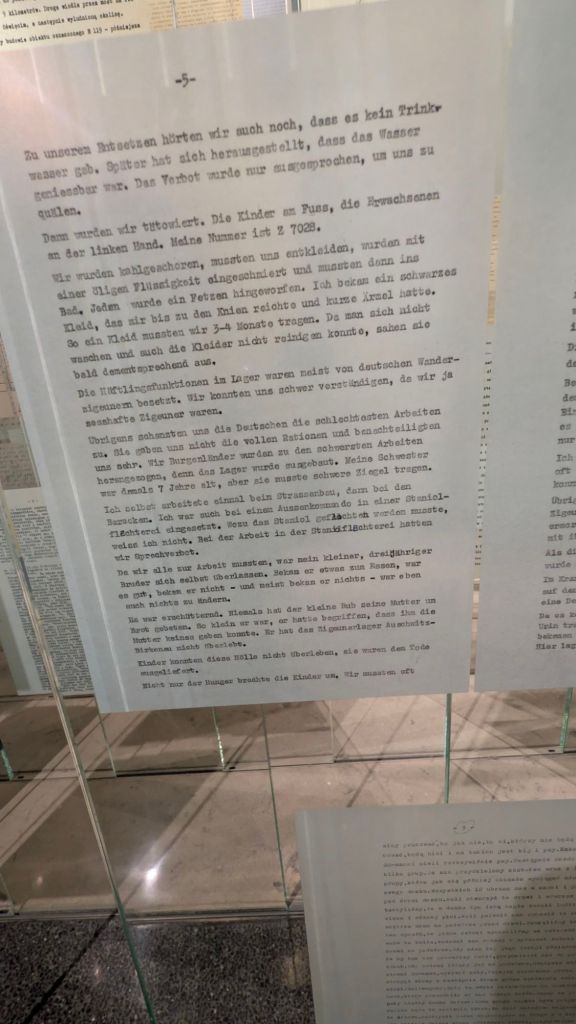
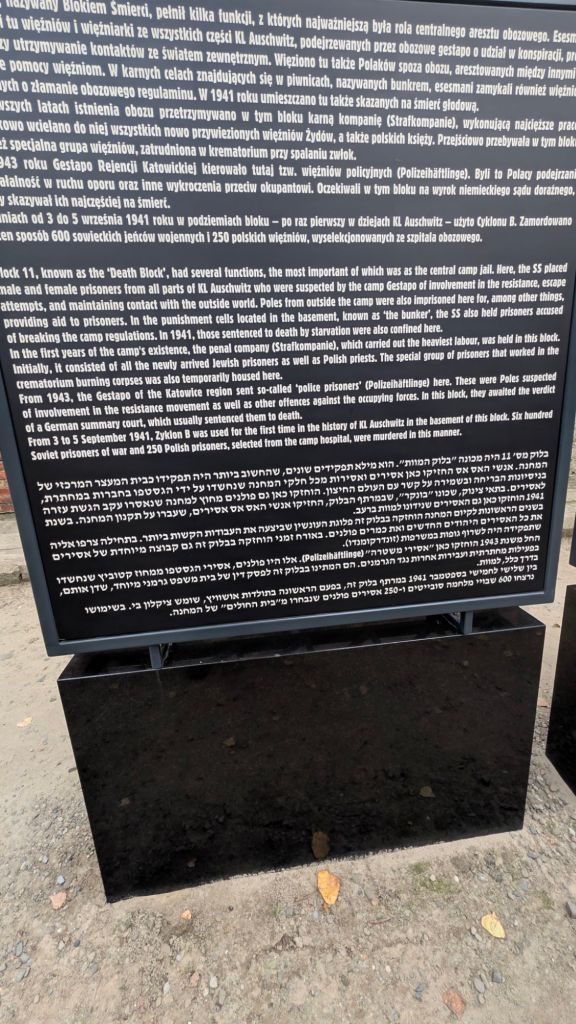
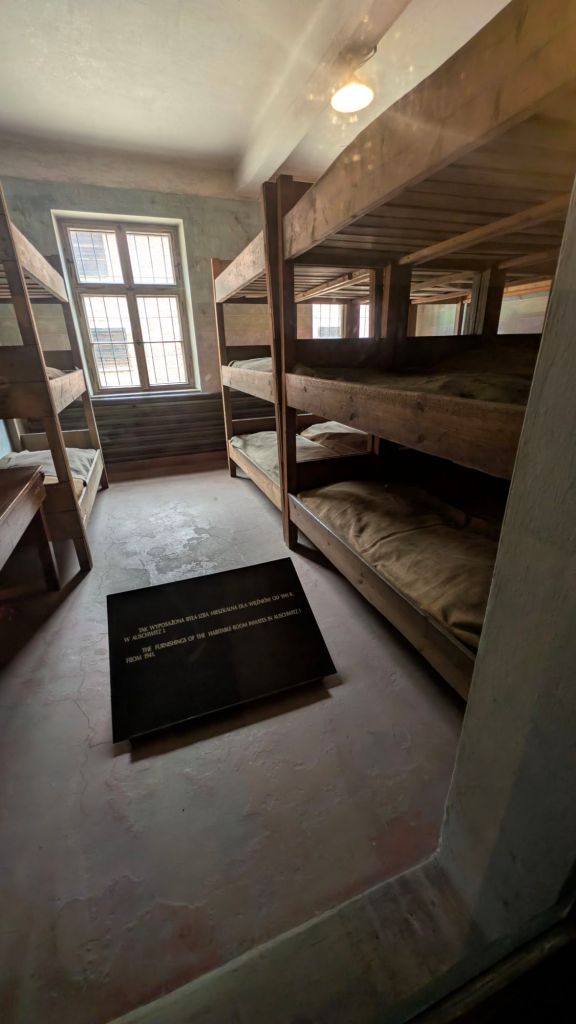
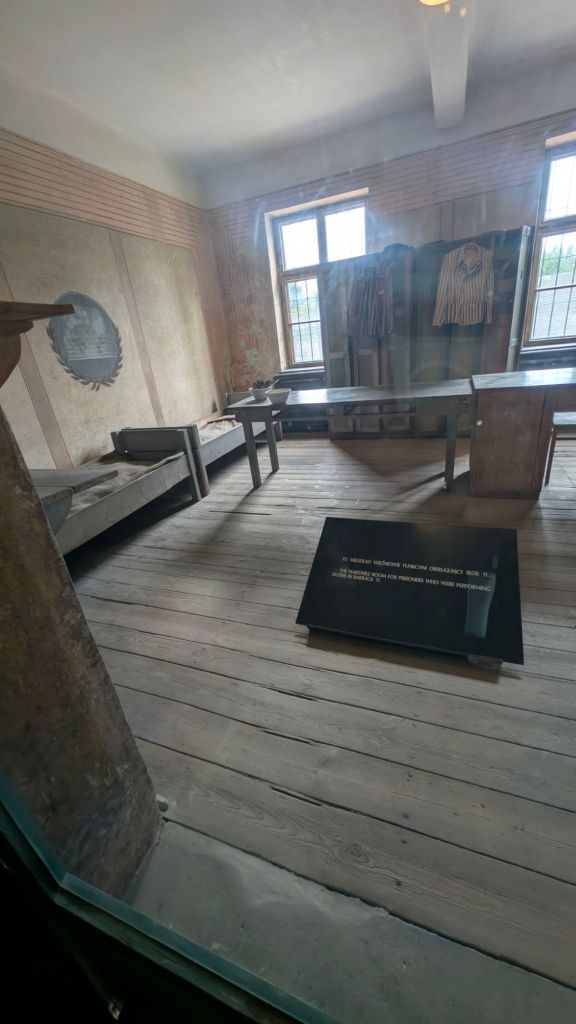
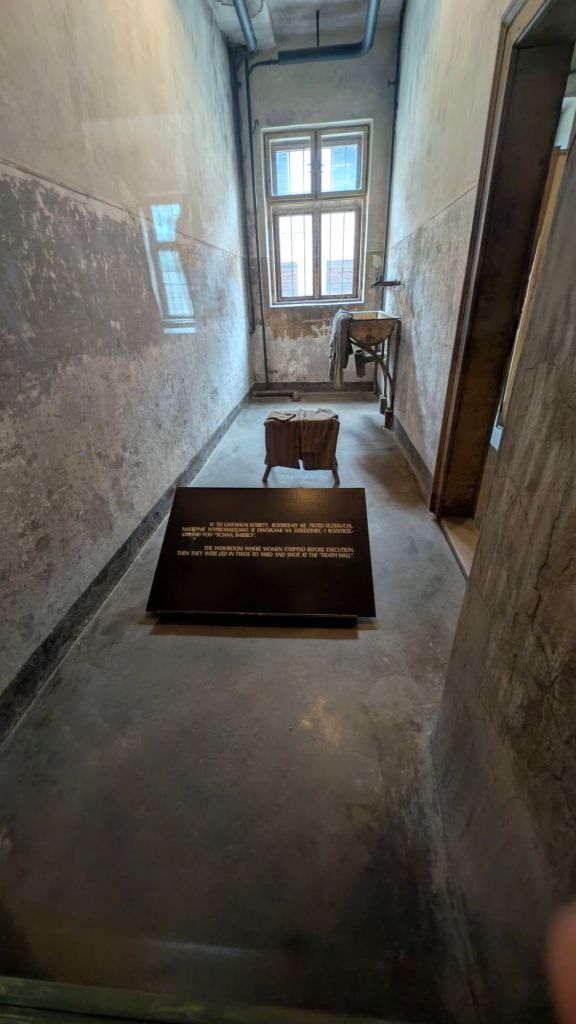
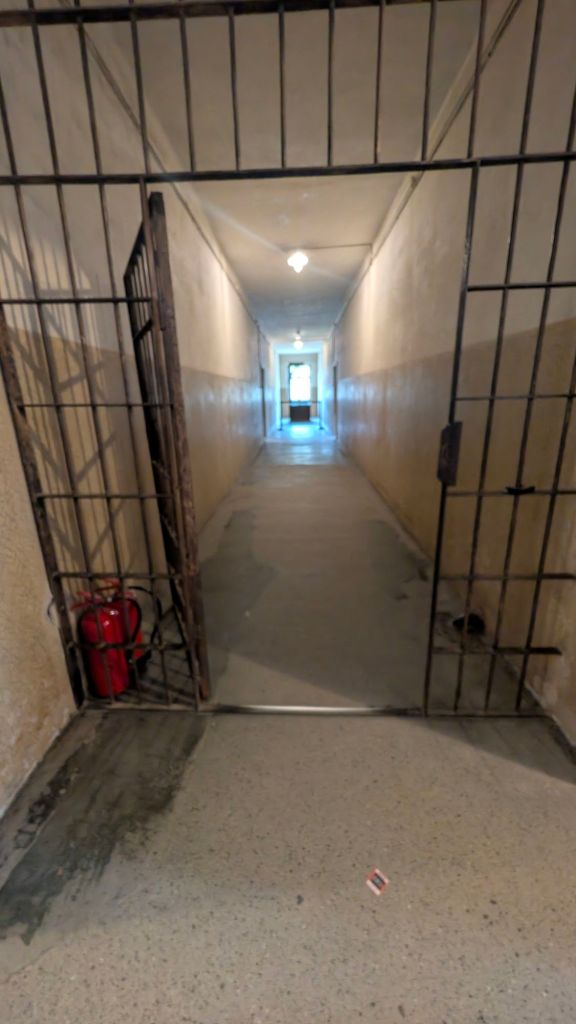
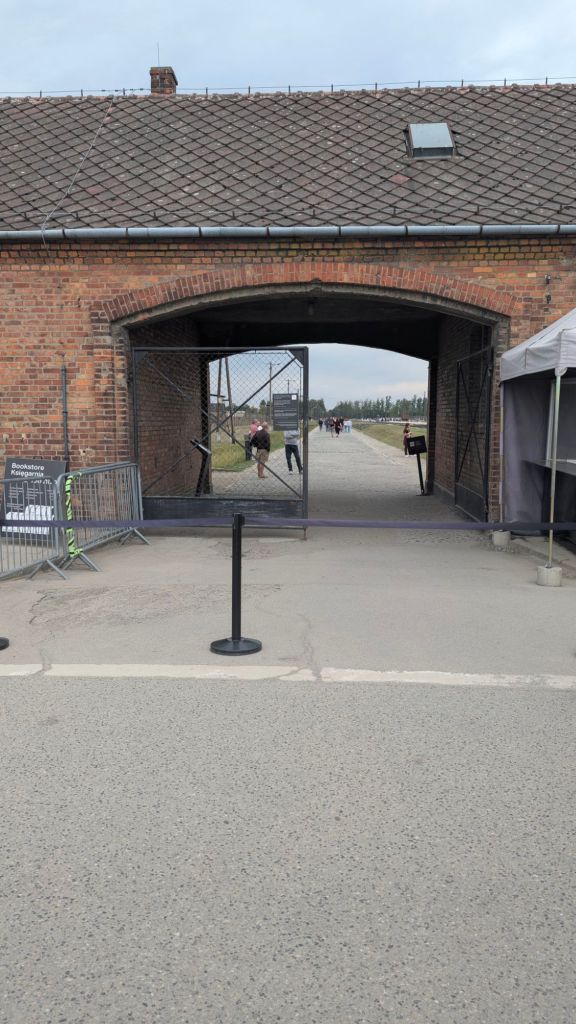
We’re due to be picked up at 10.30 to go by bus to Auschwitz.
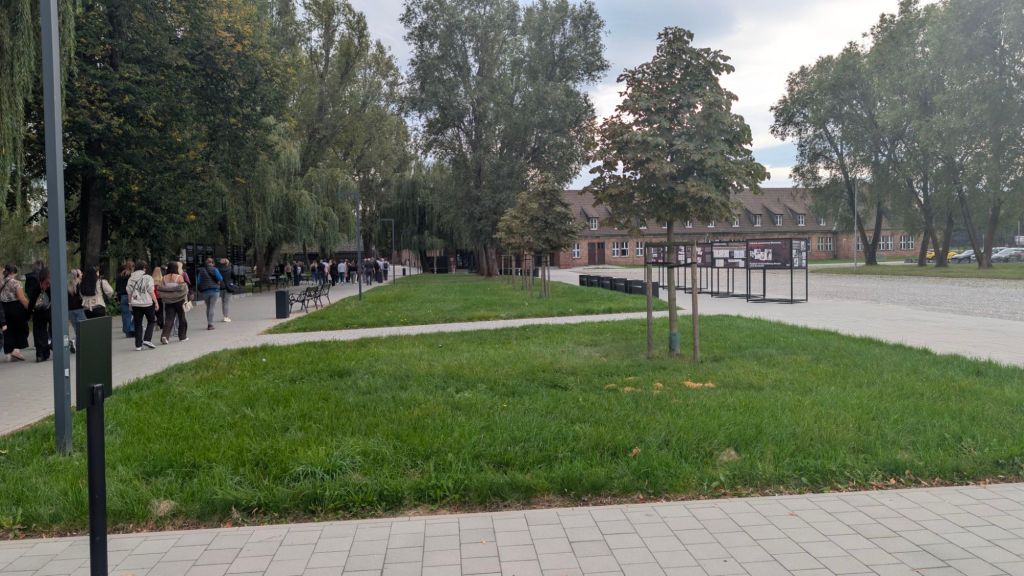
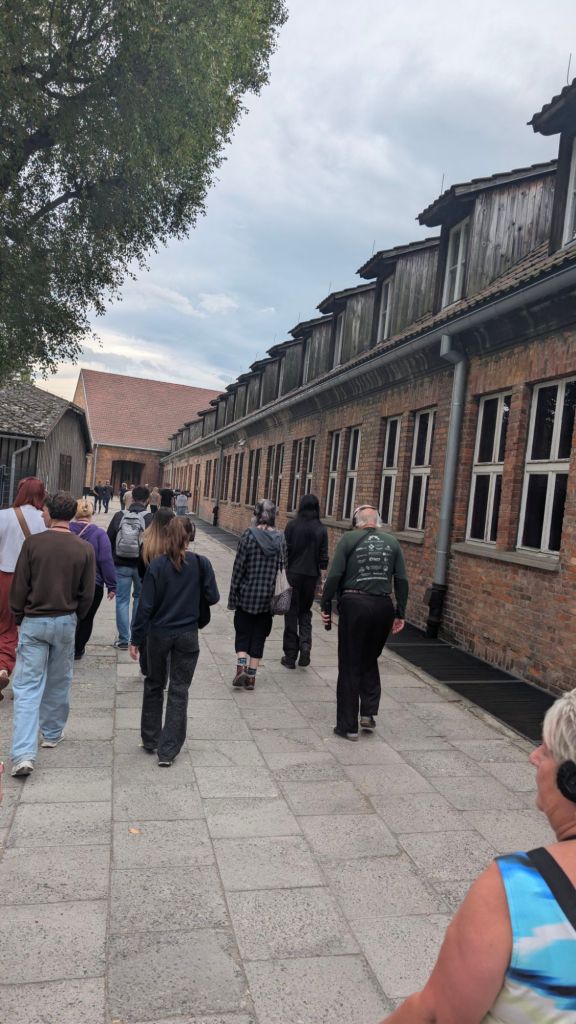
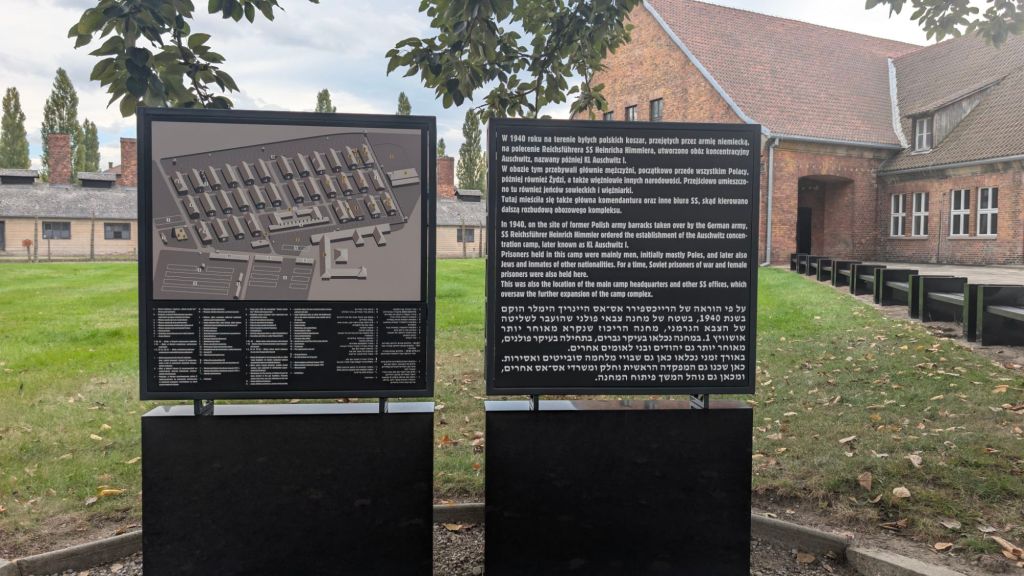
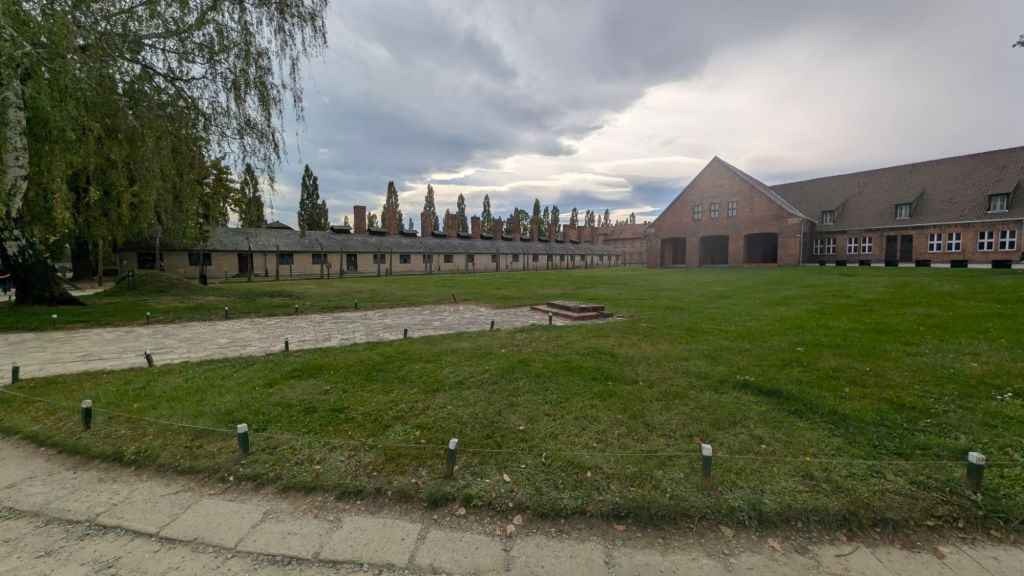
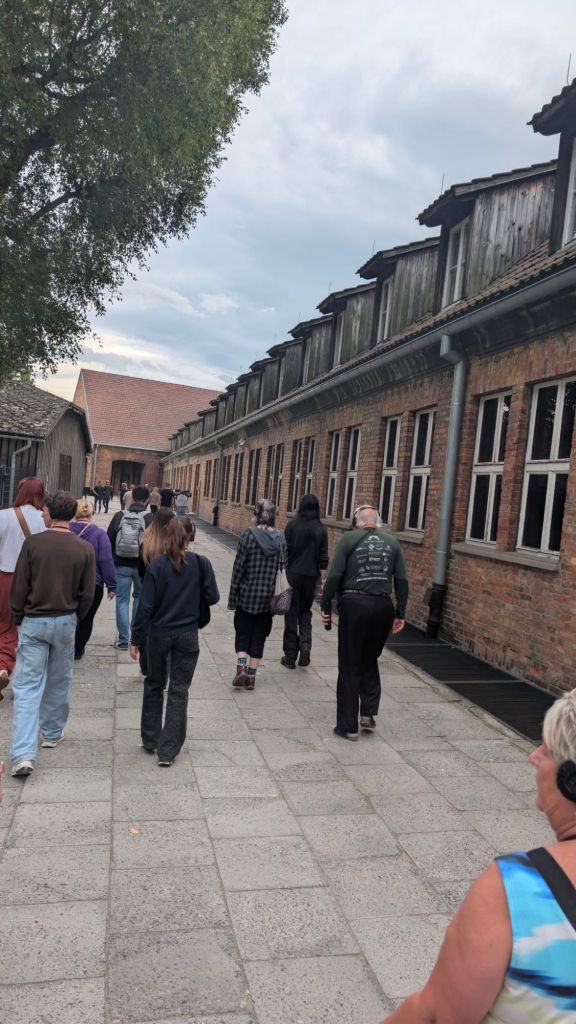
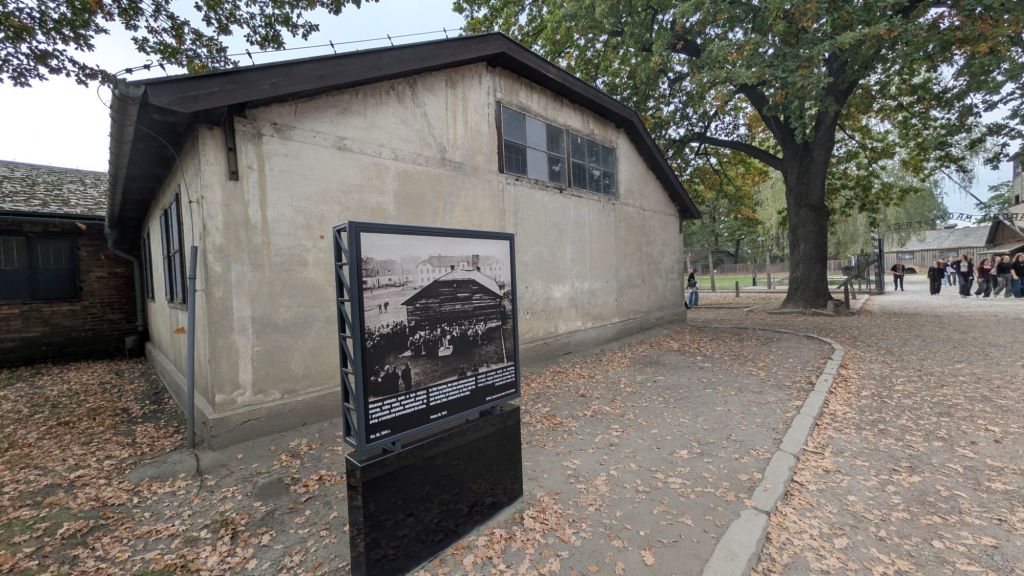
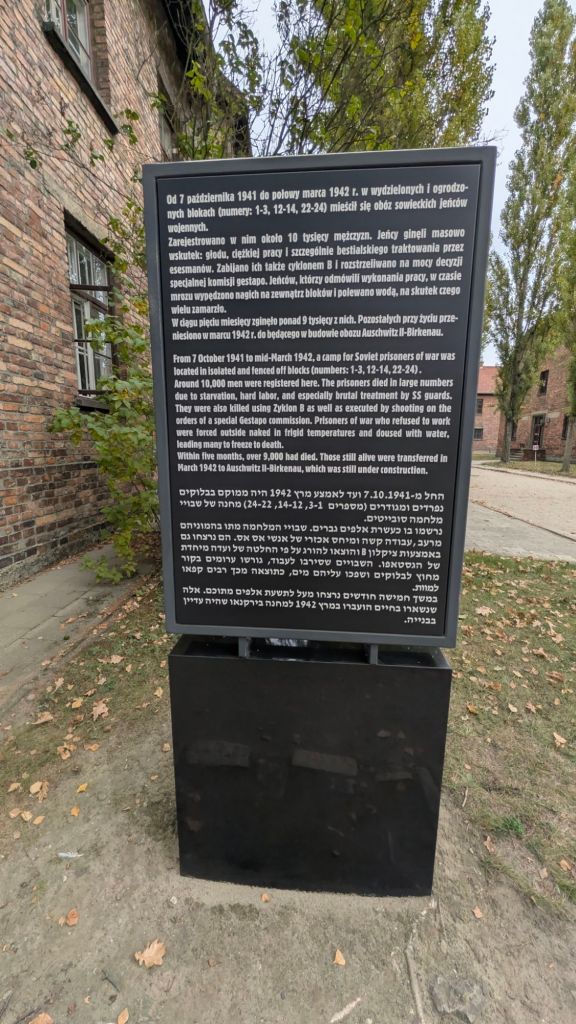
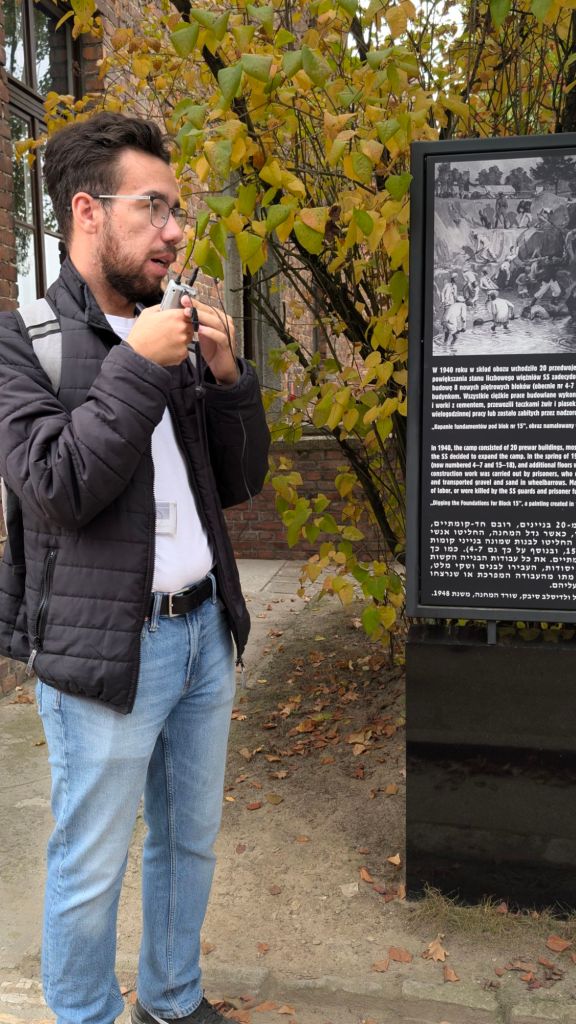
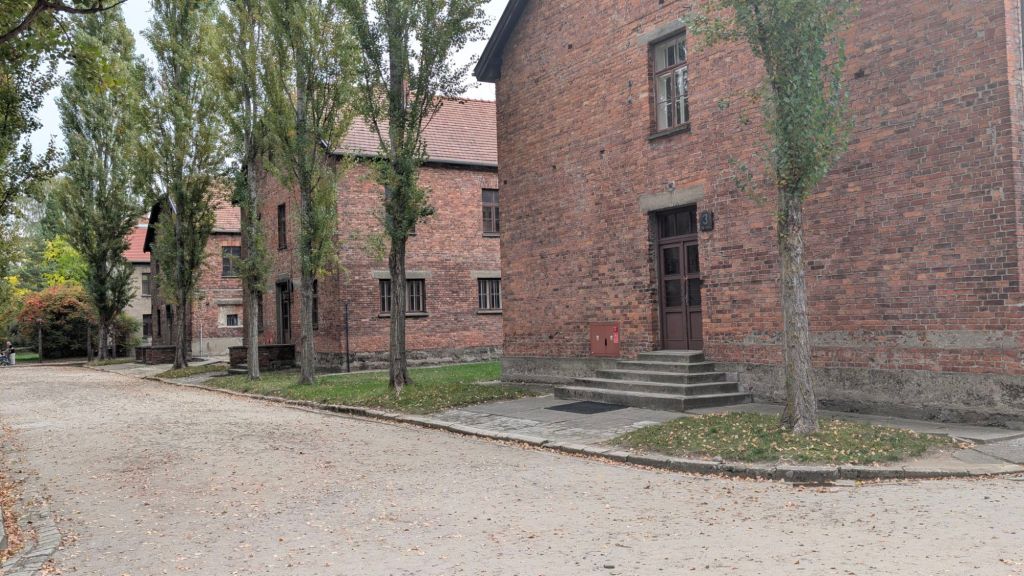
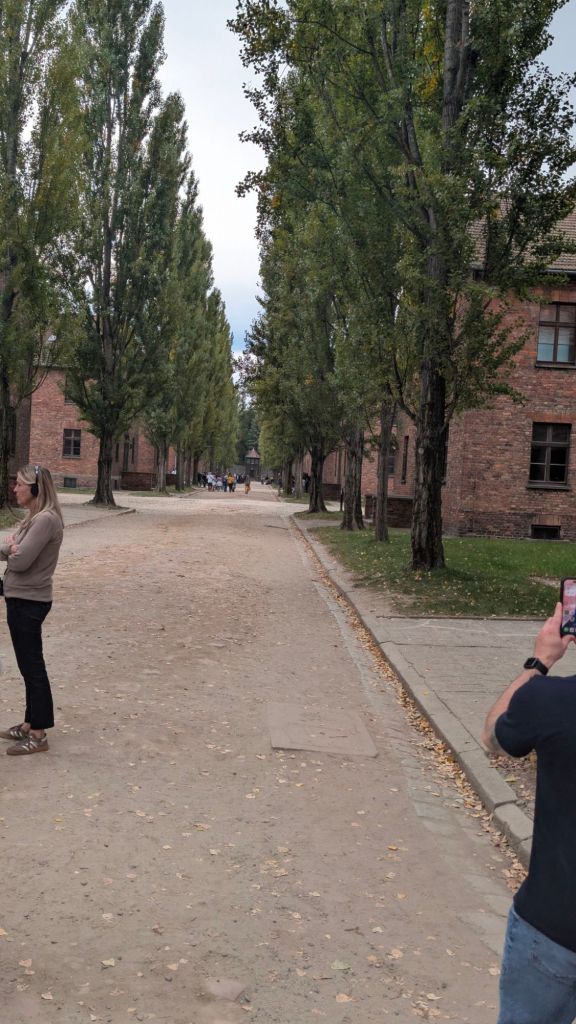
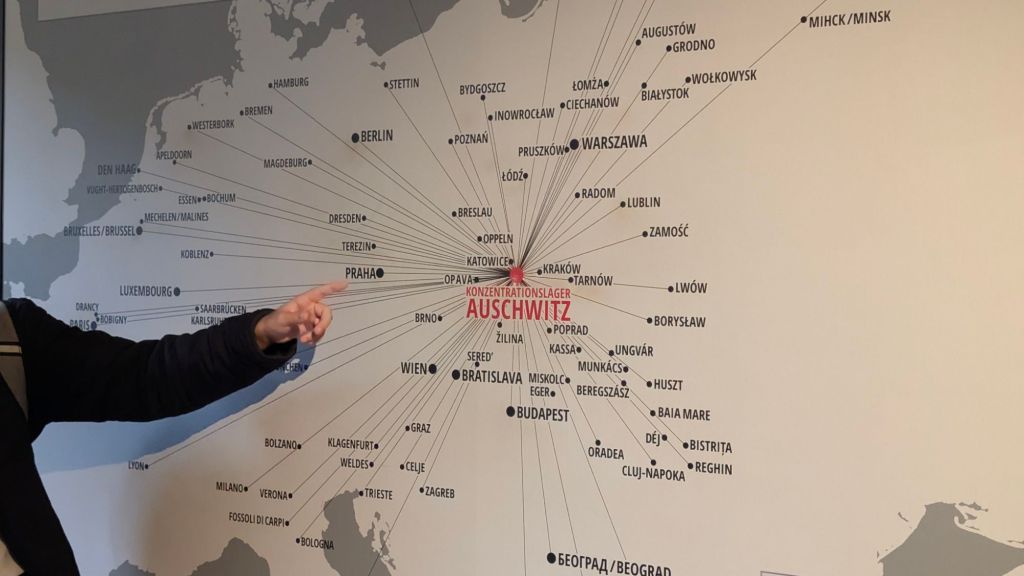
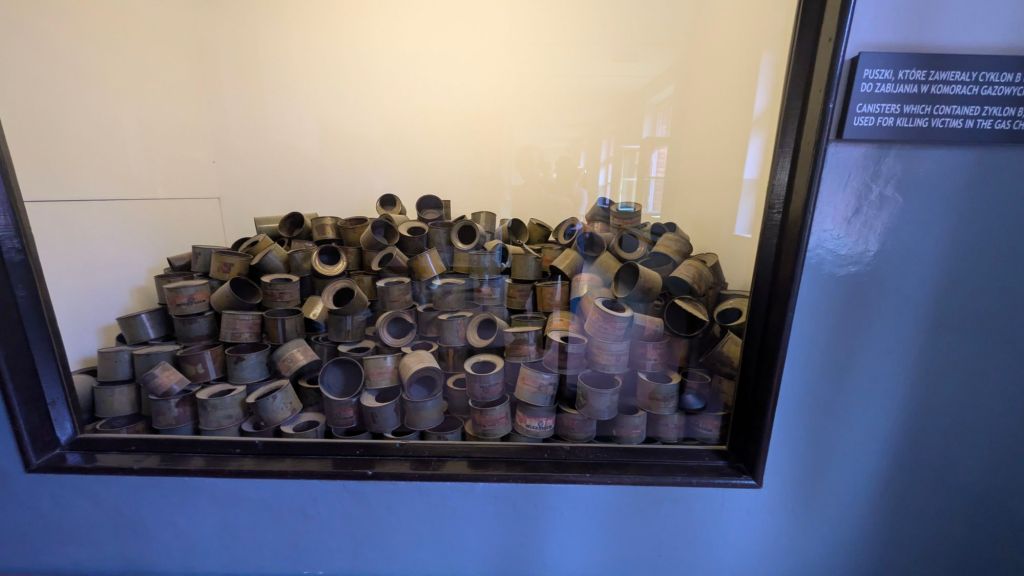
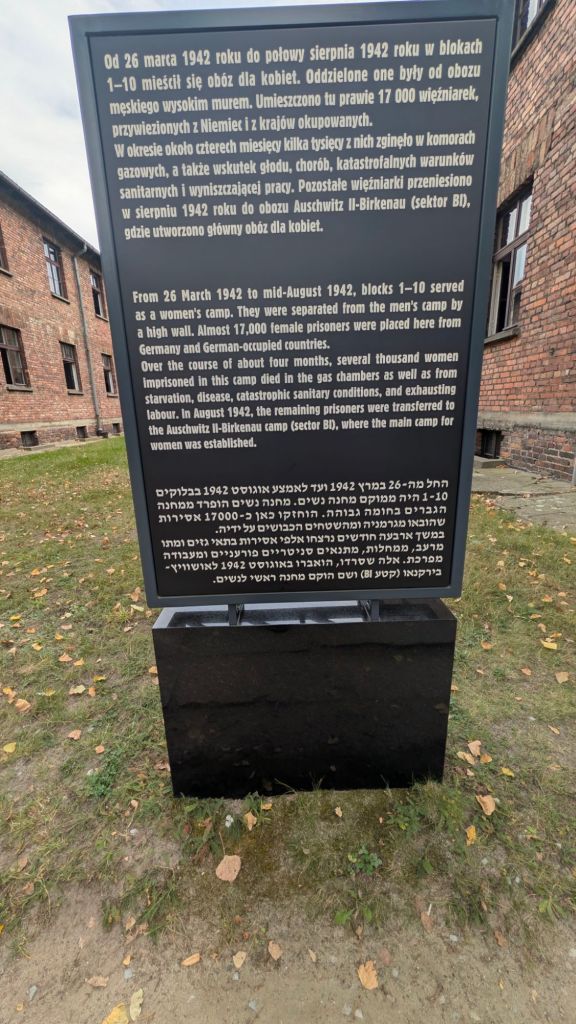
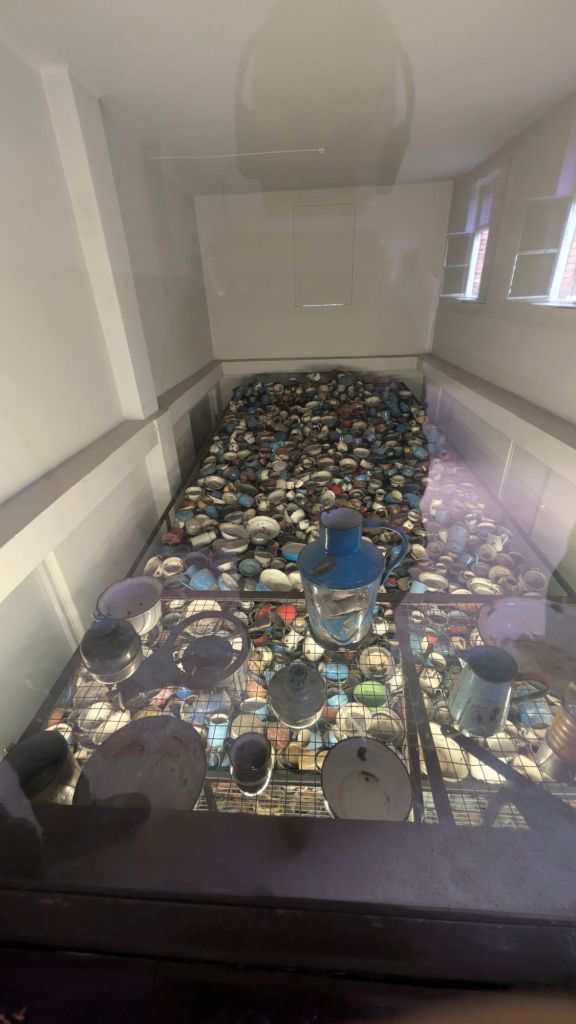
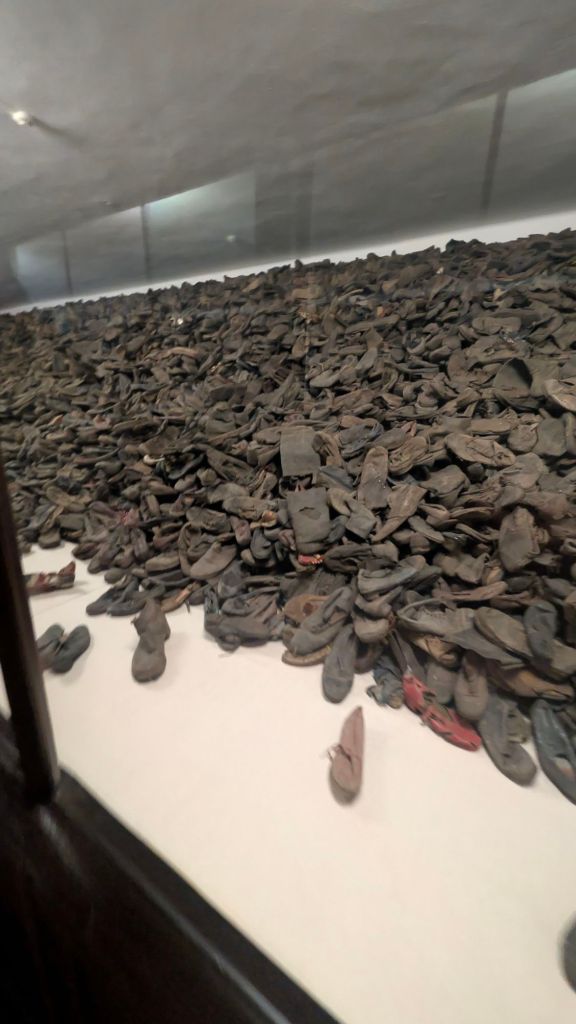
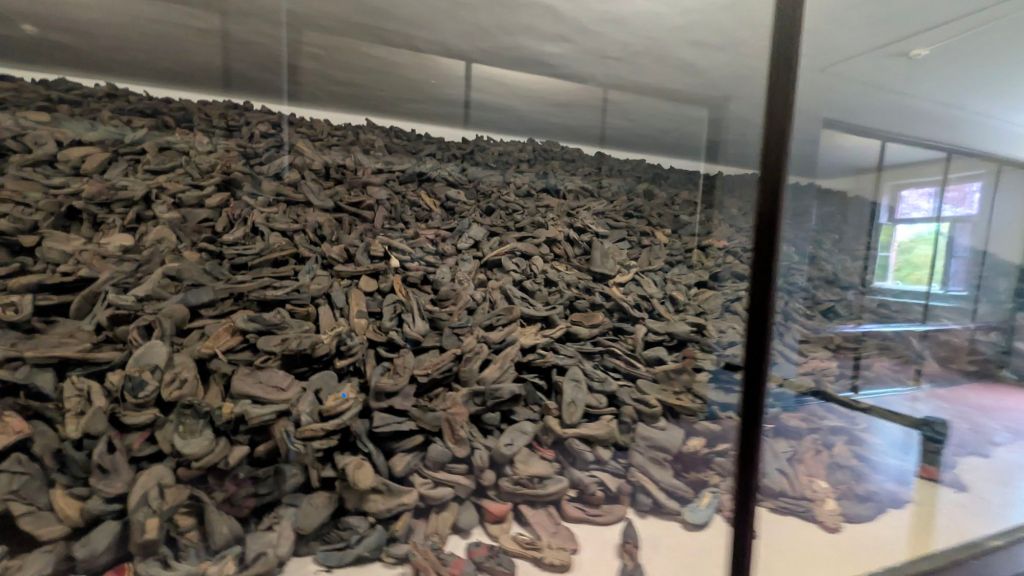
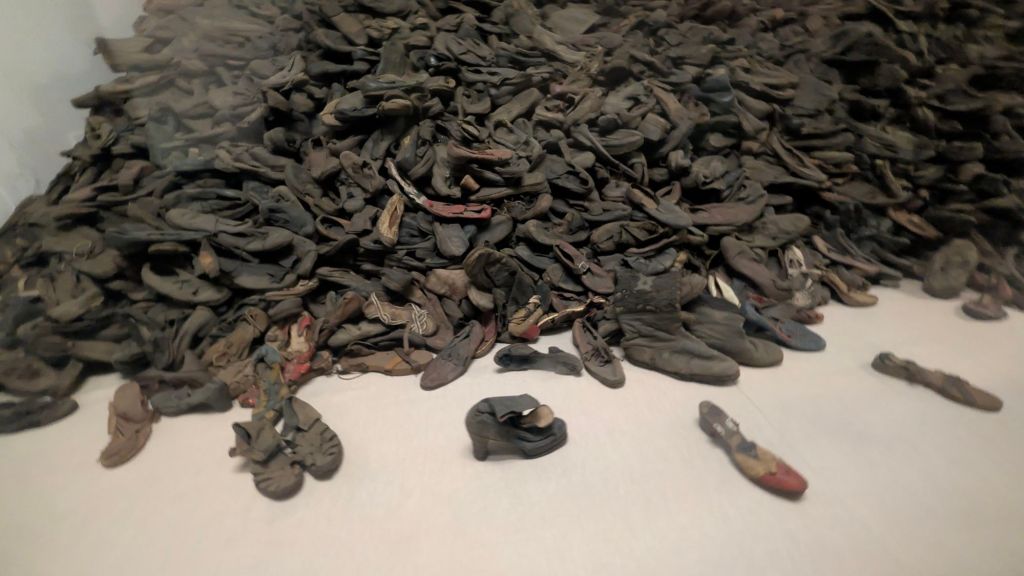
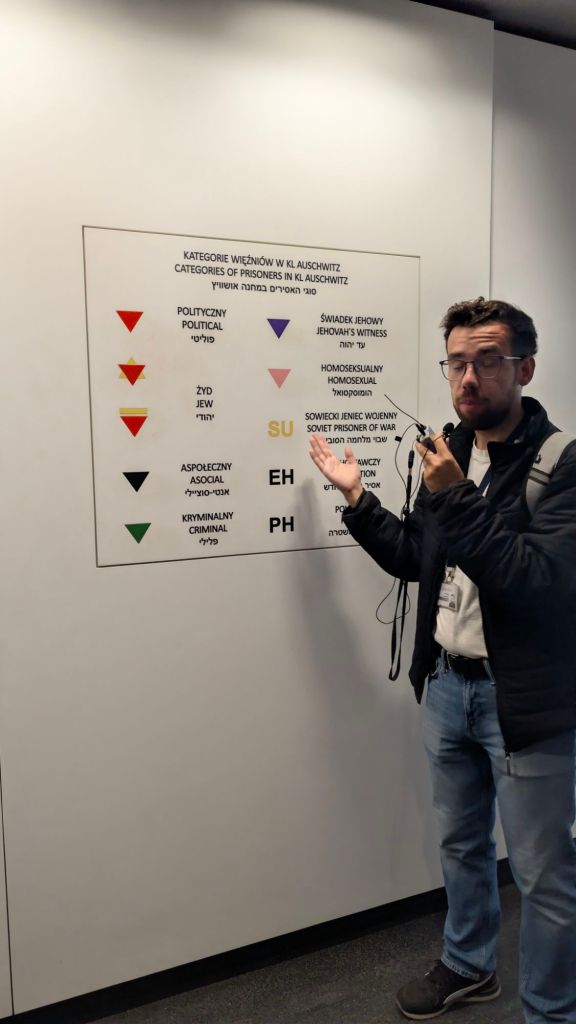
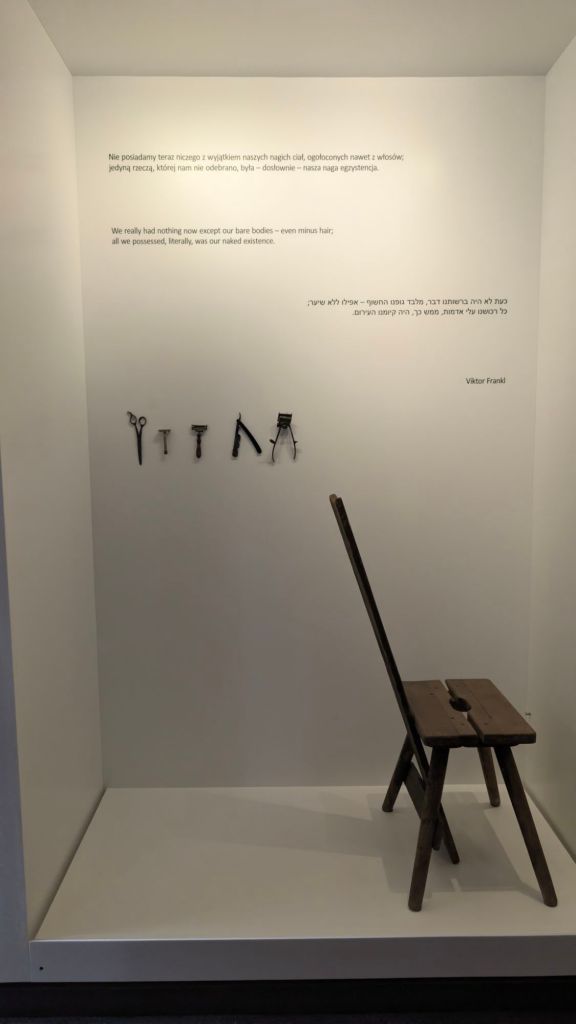
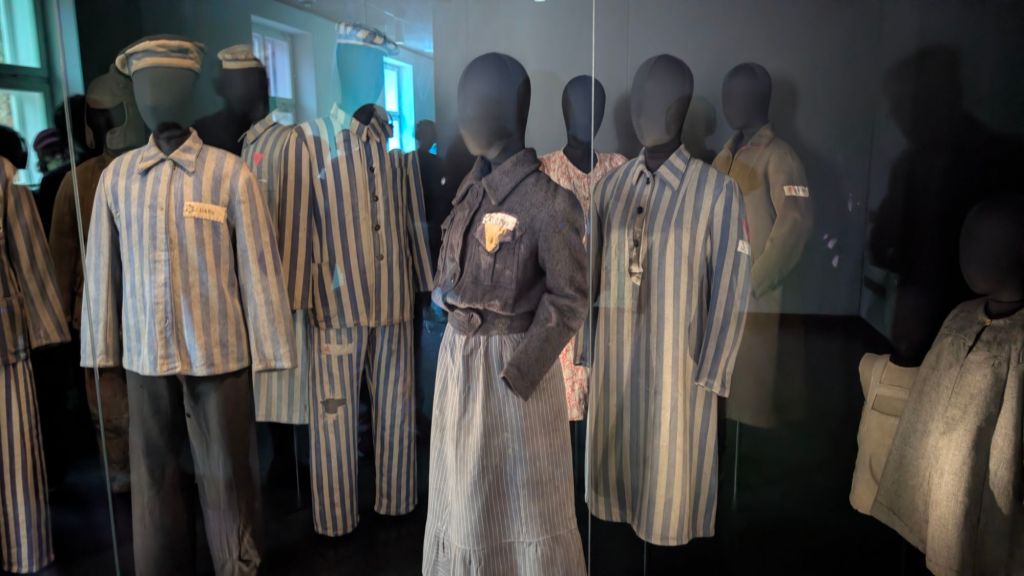
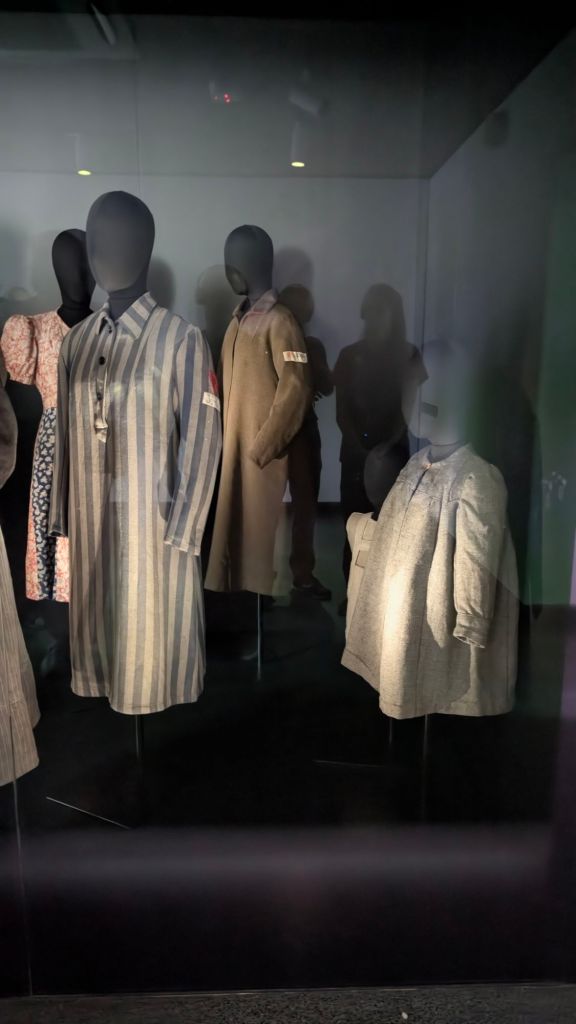
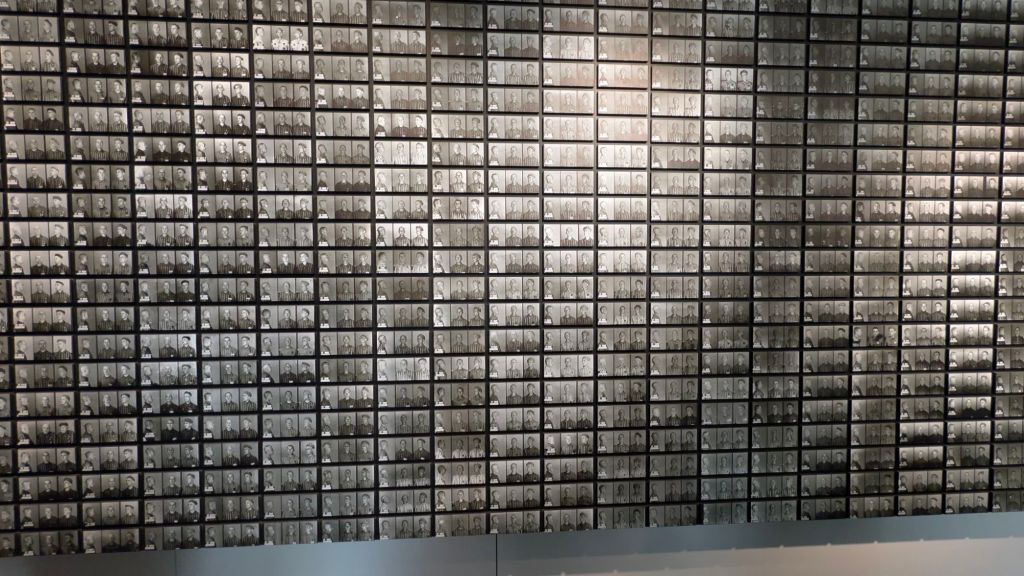
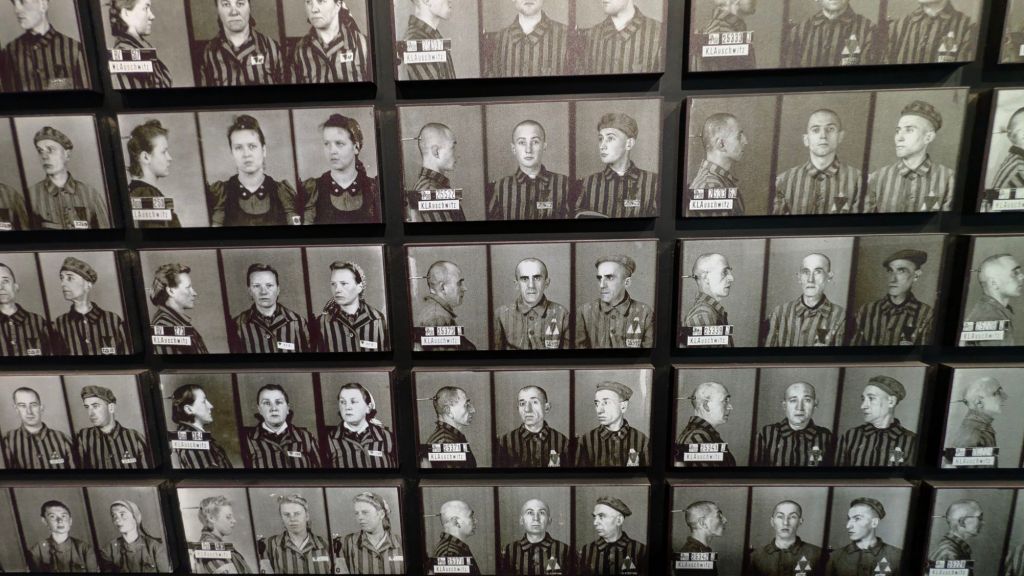
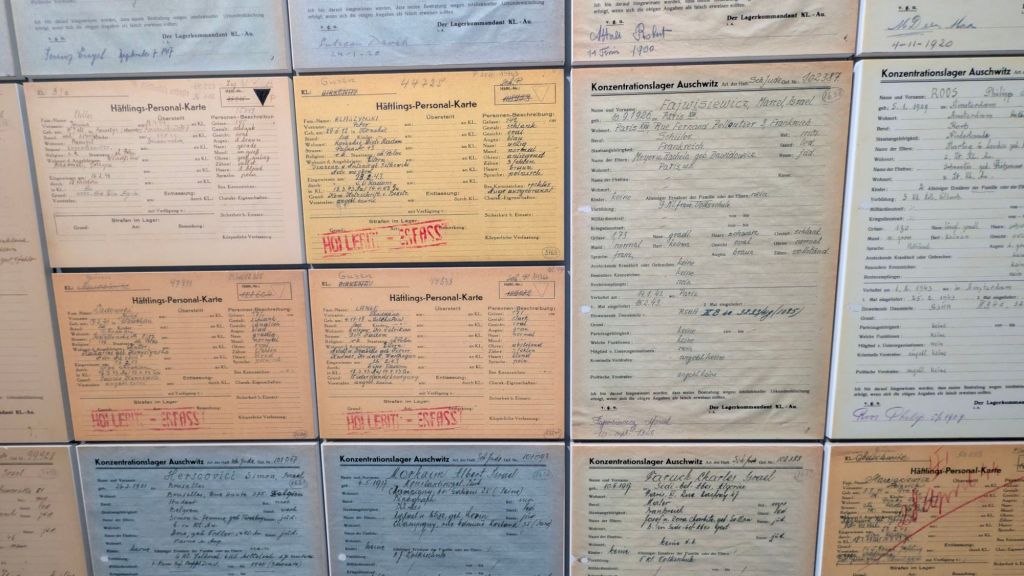
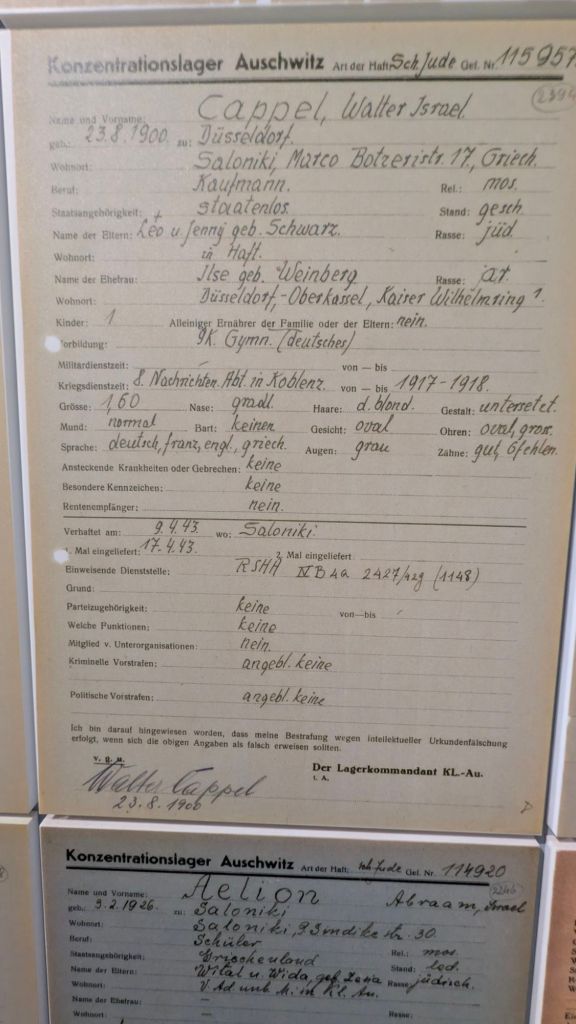
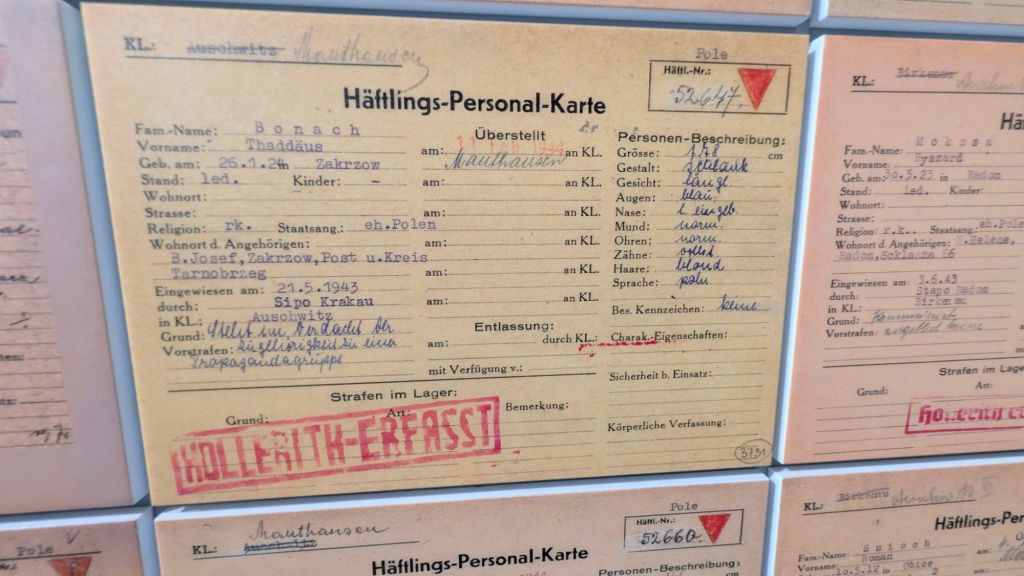
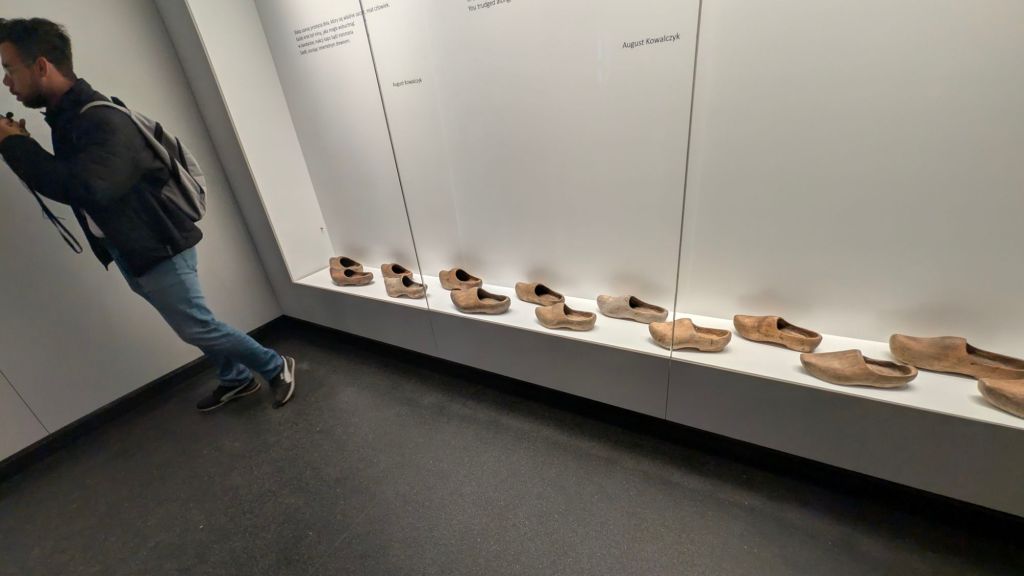
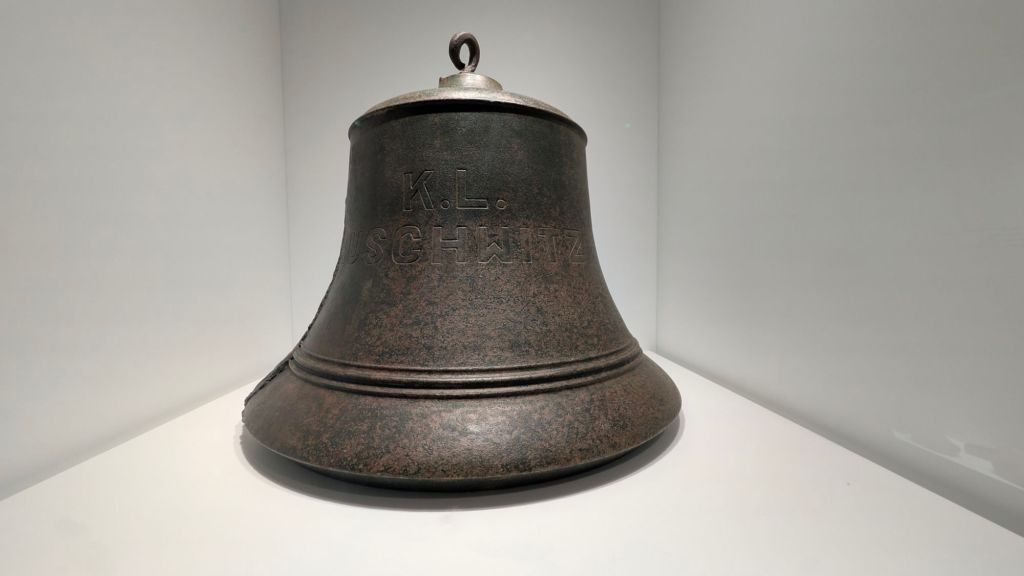
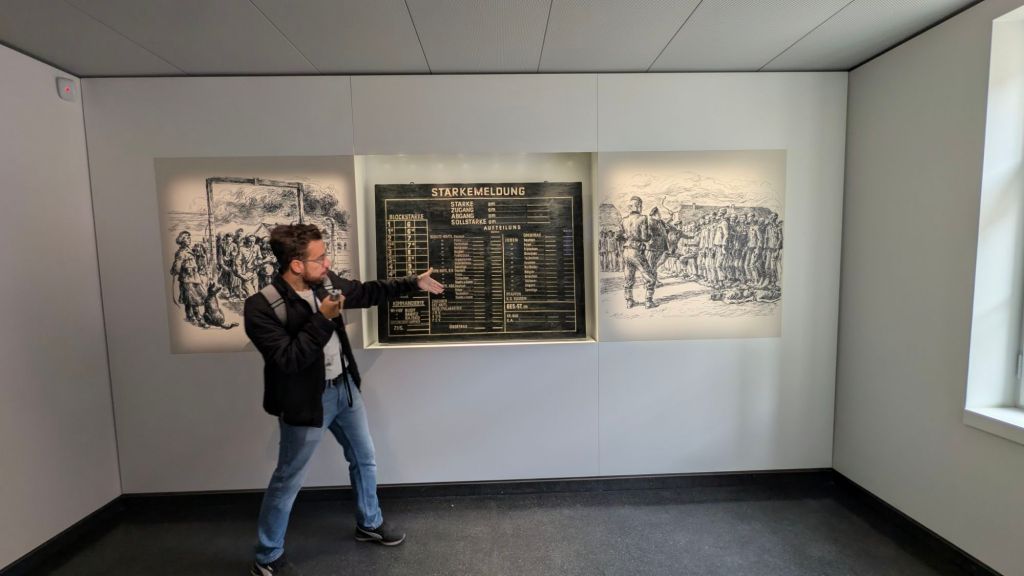
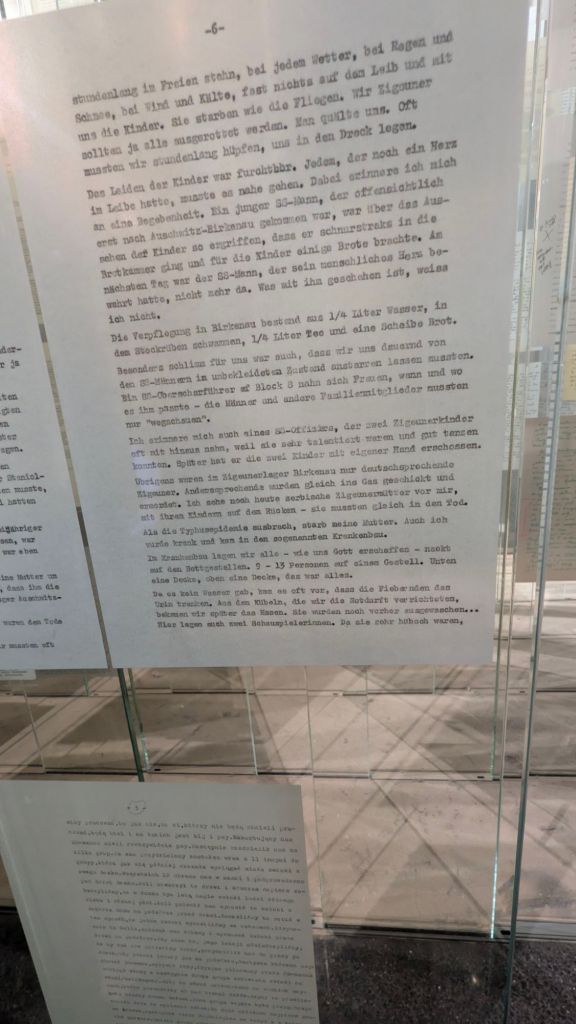
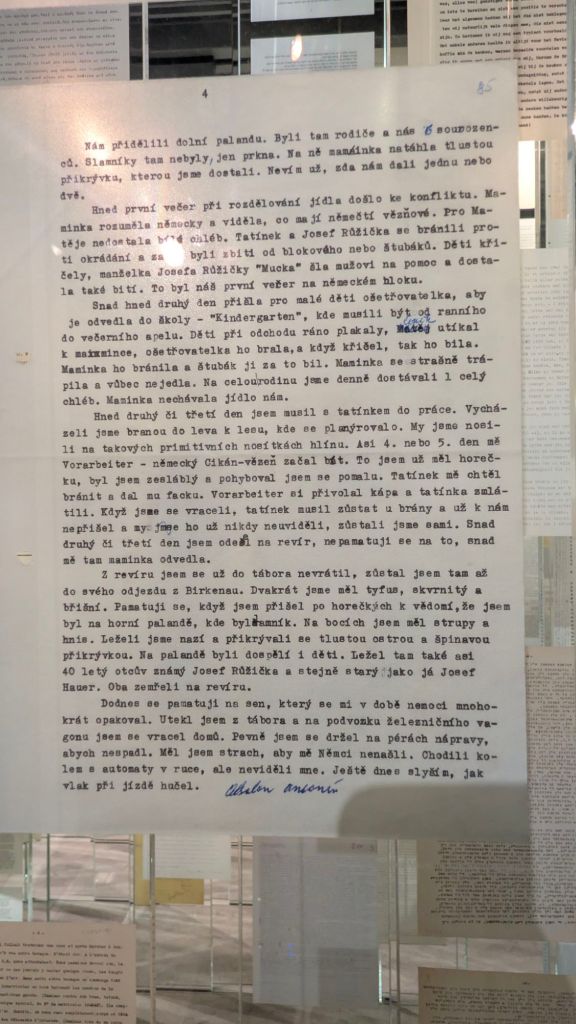
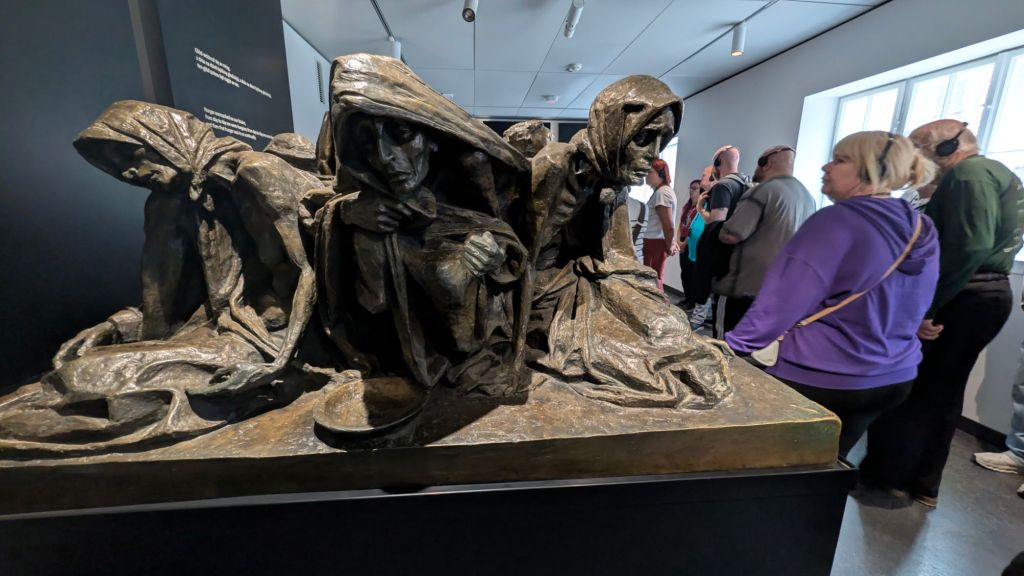
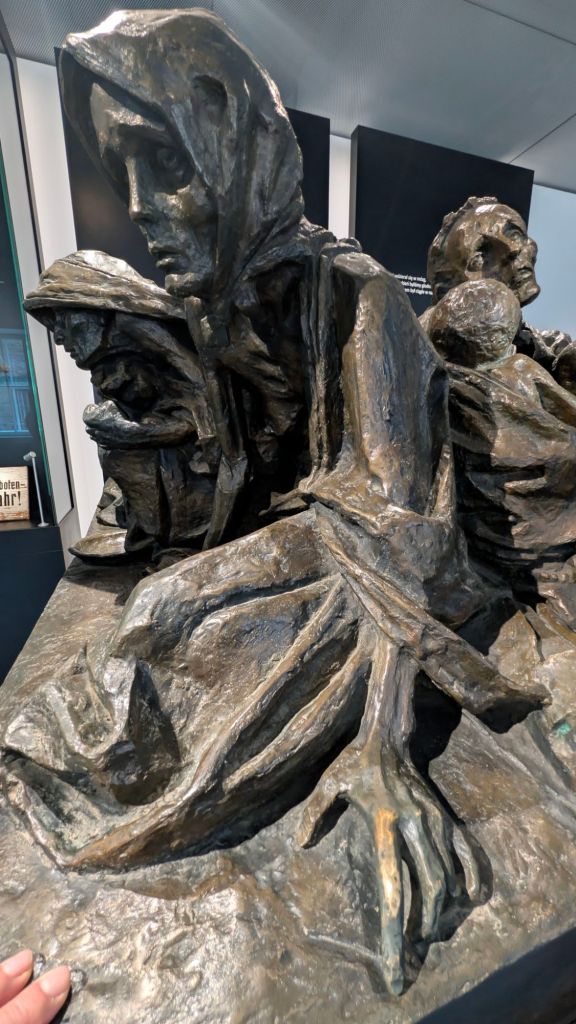
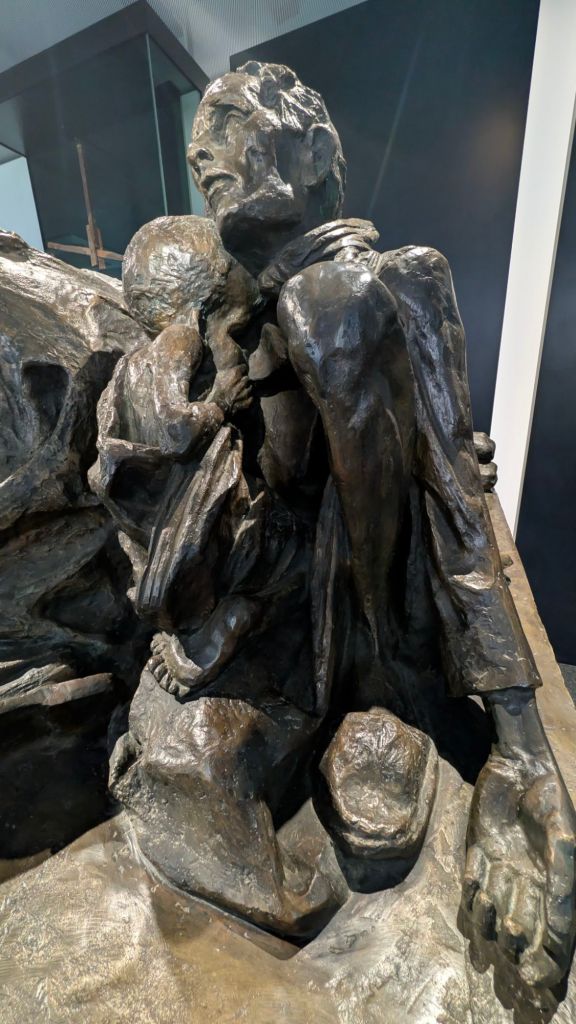
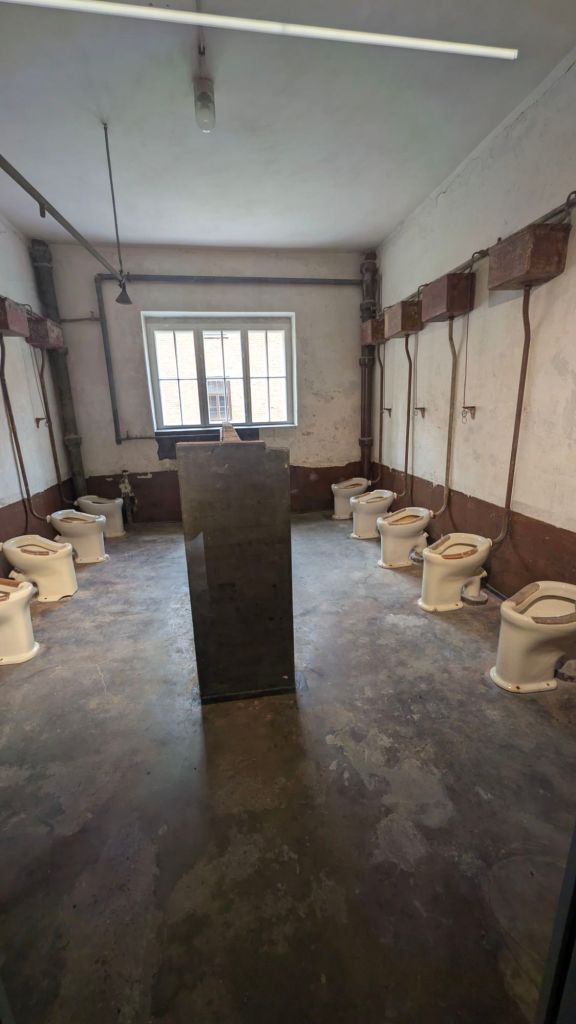
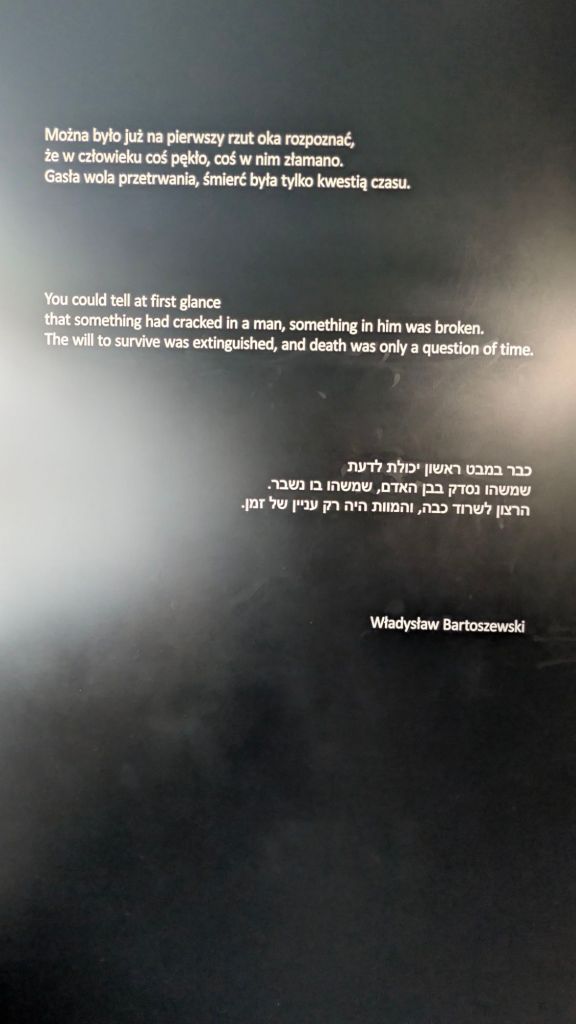
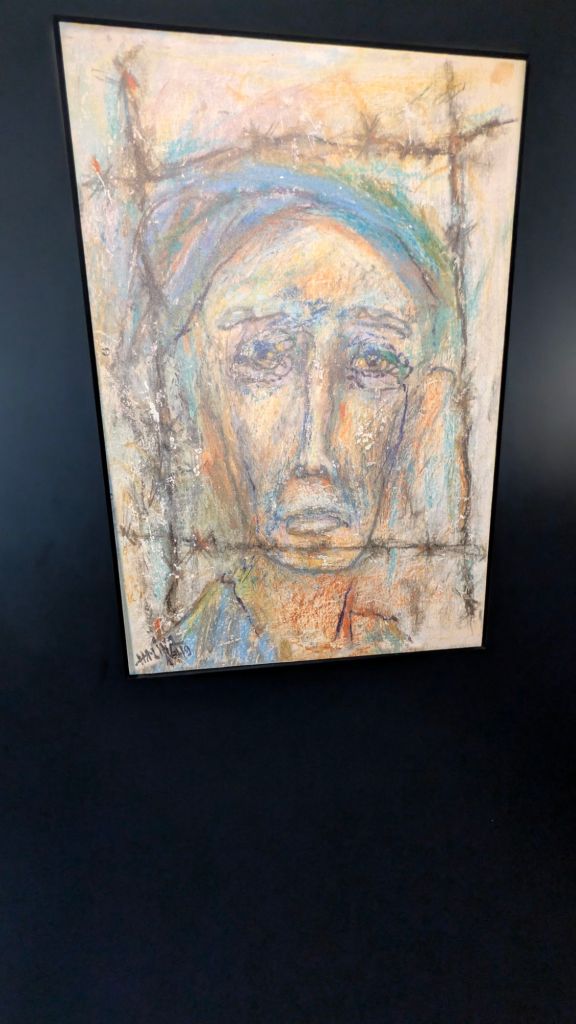
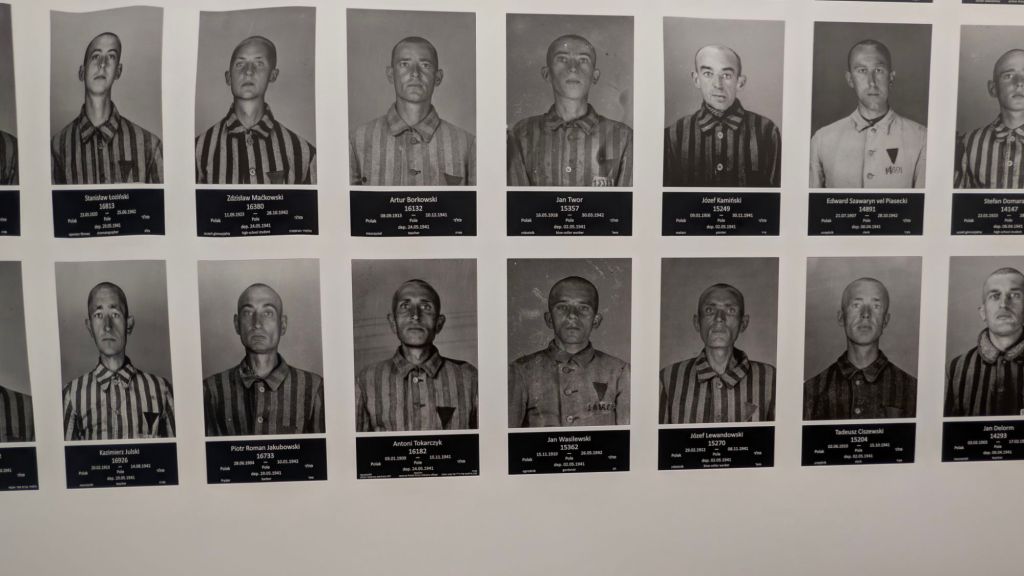
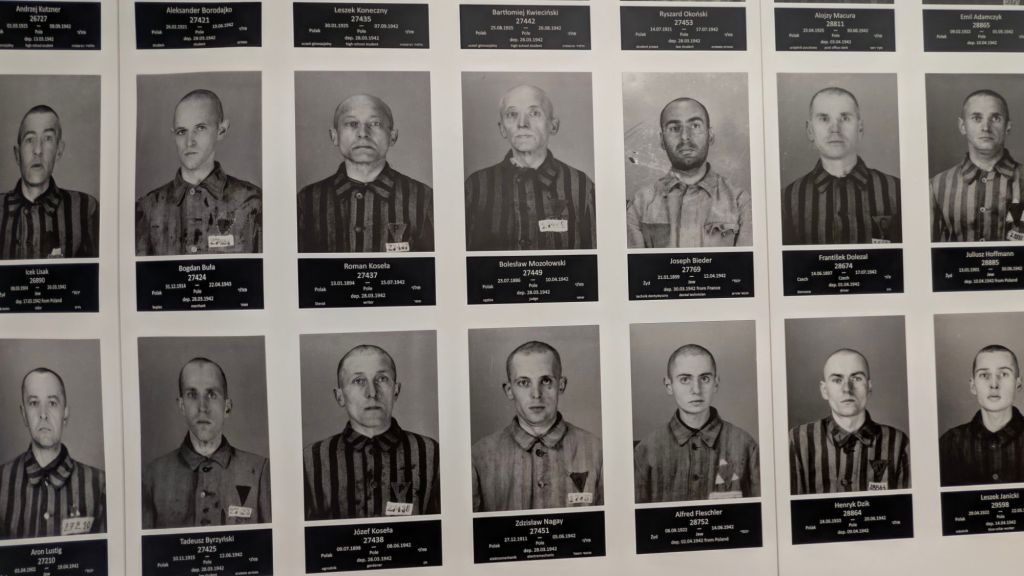
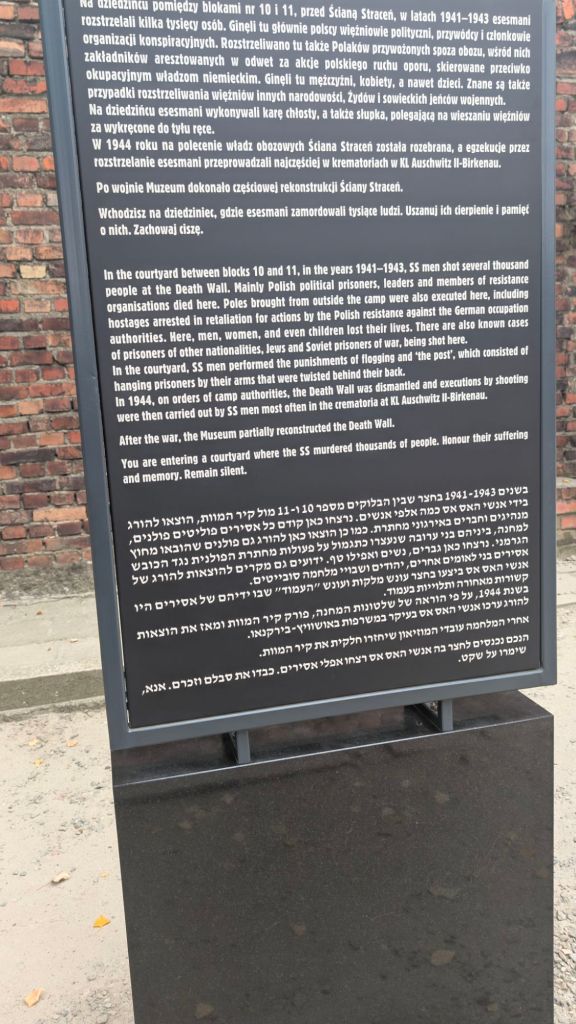
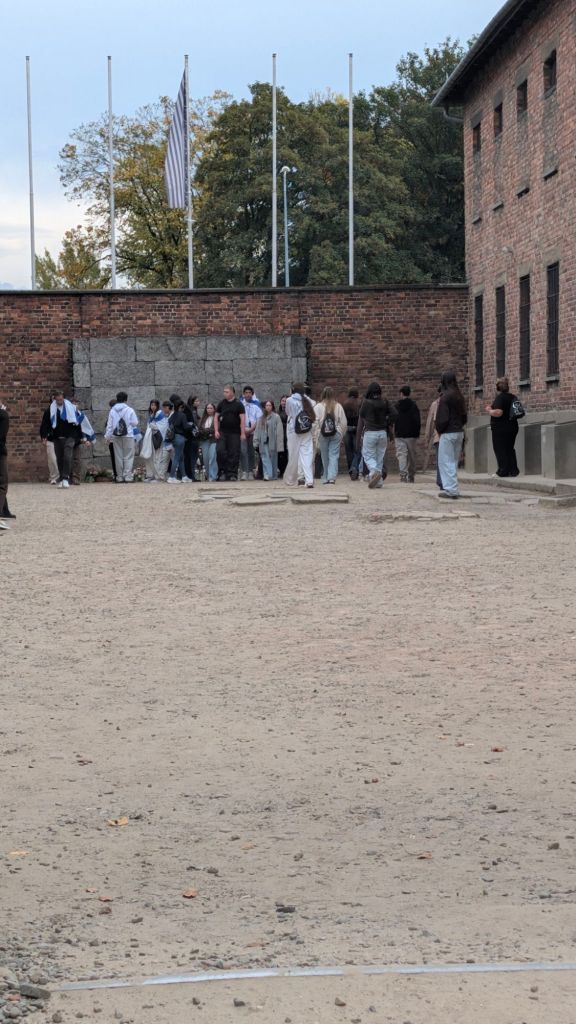
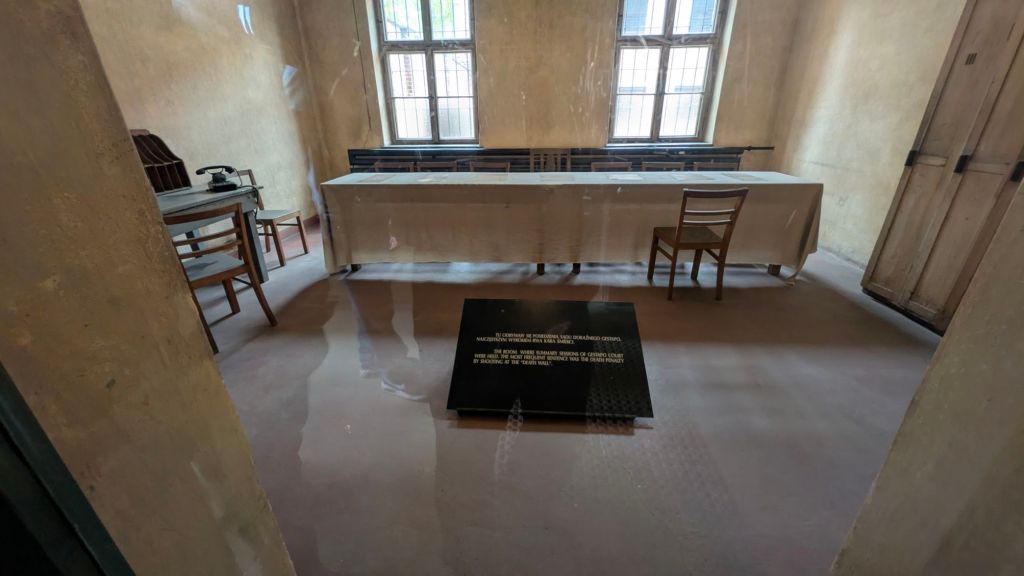
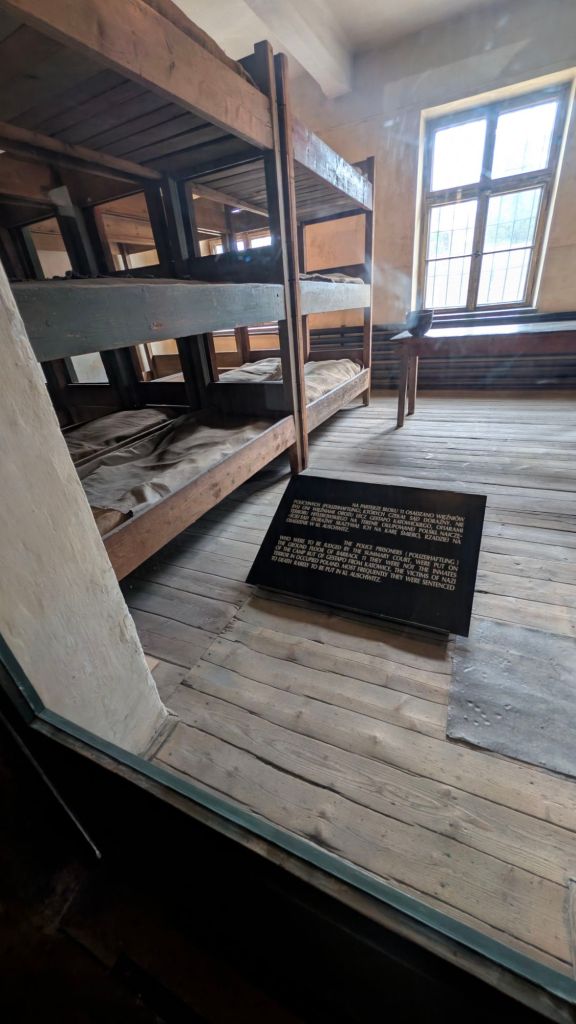
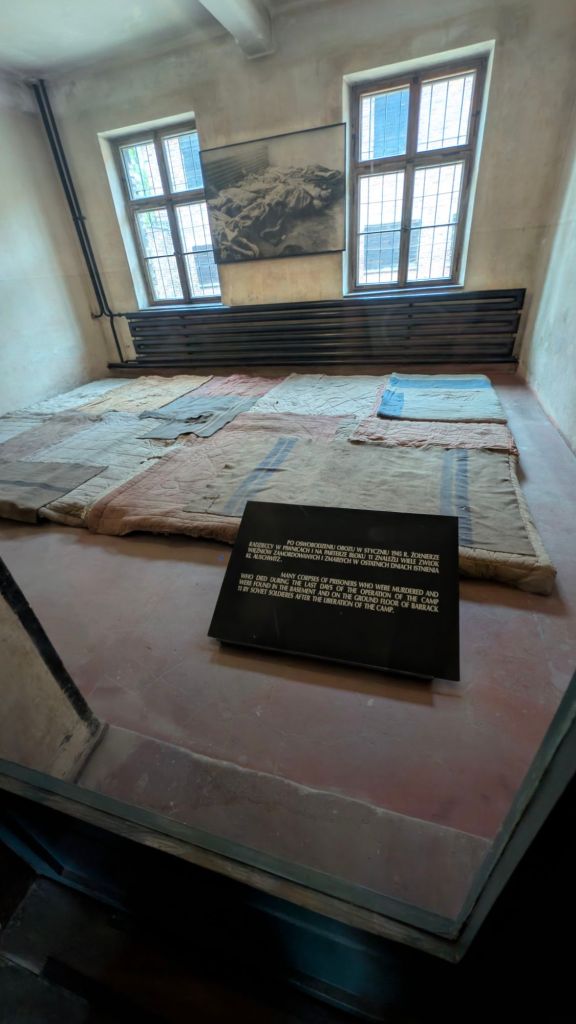
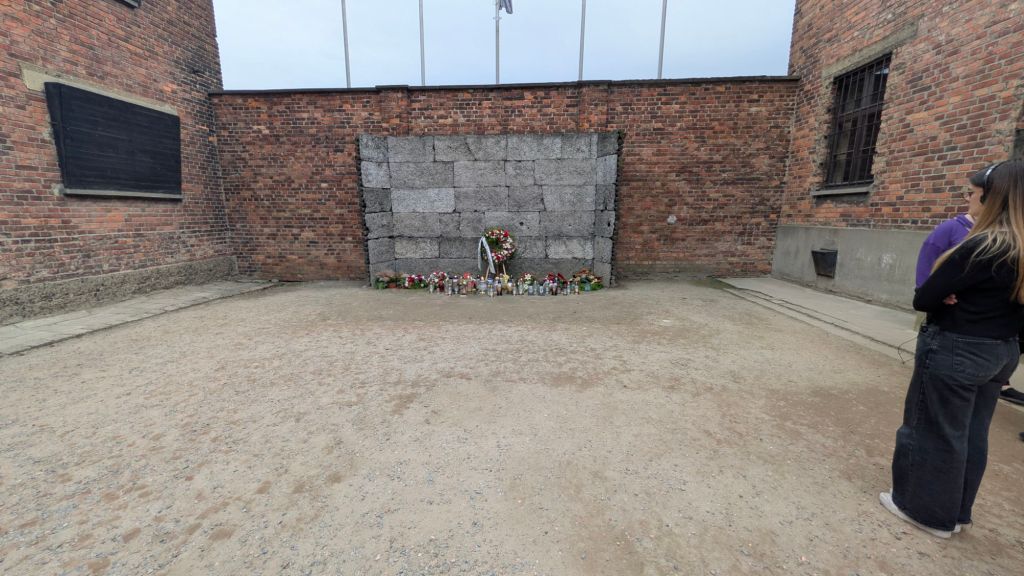
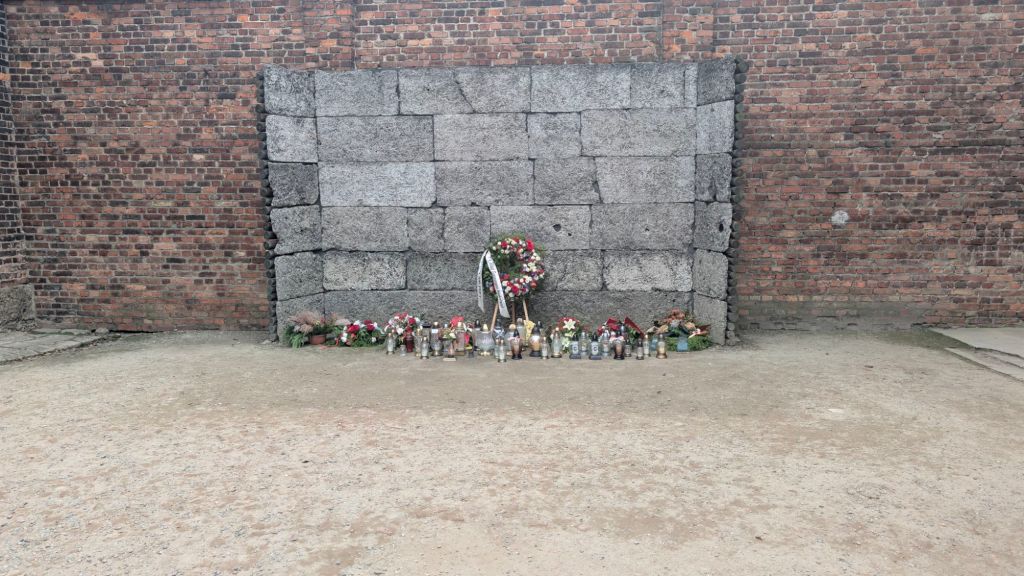
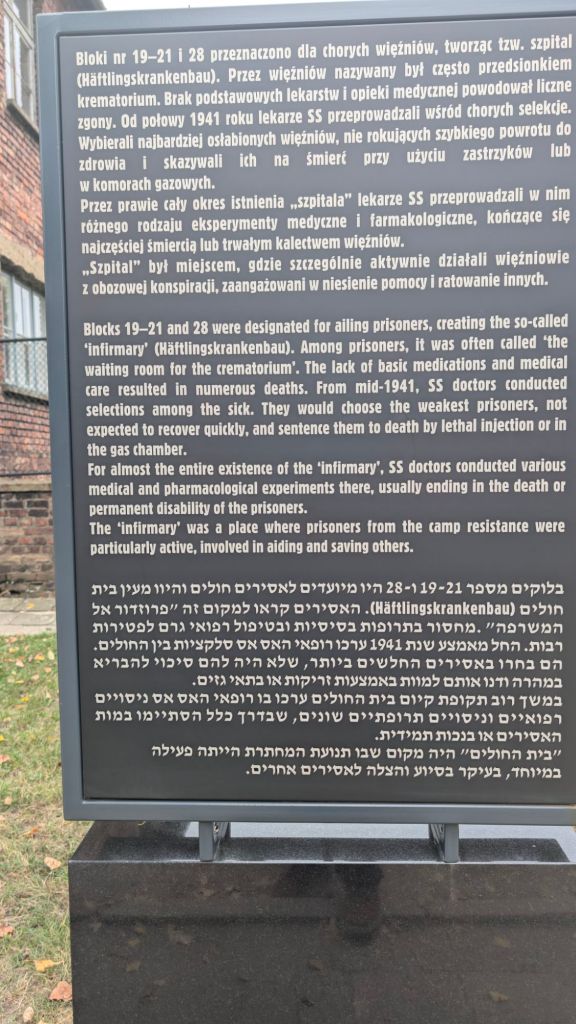
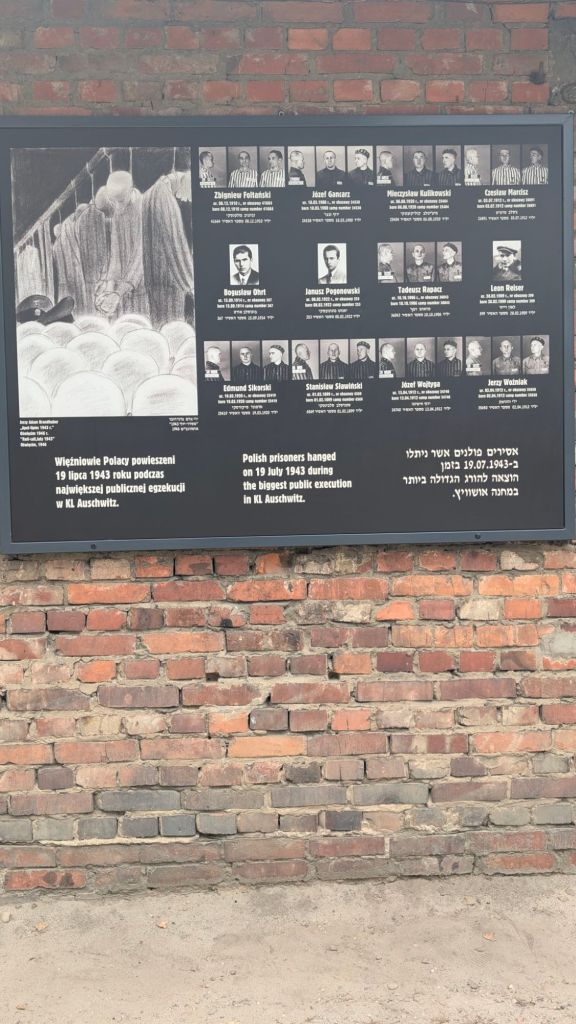
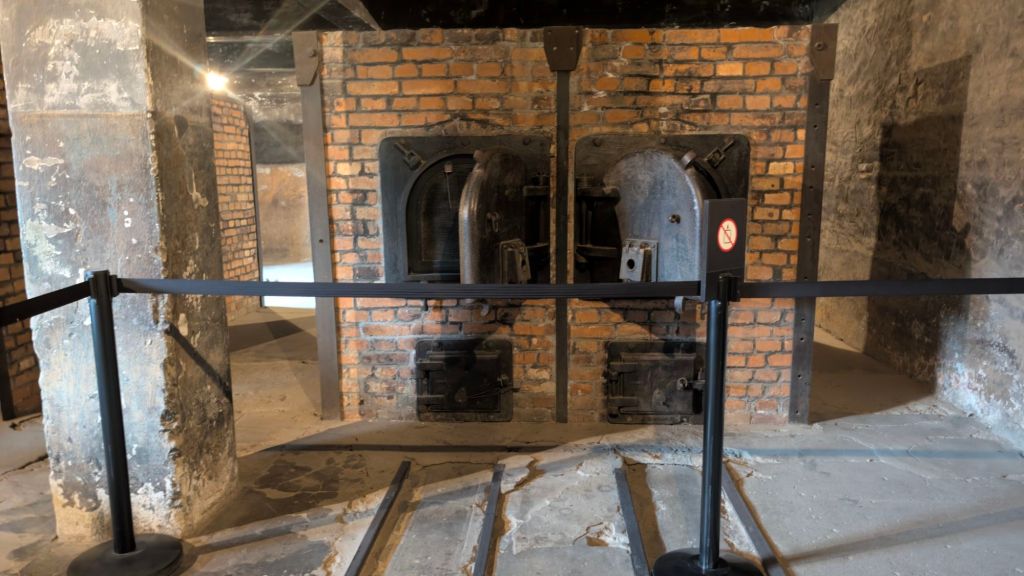
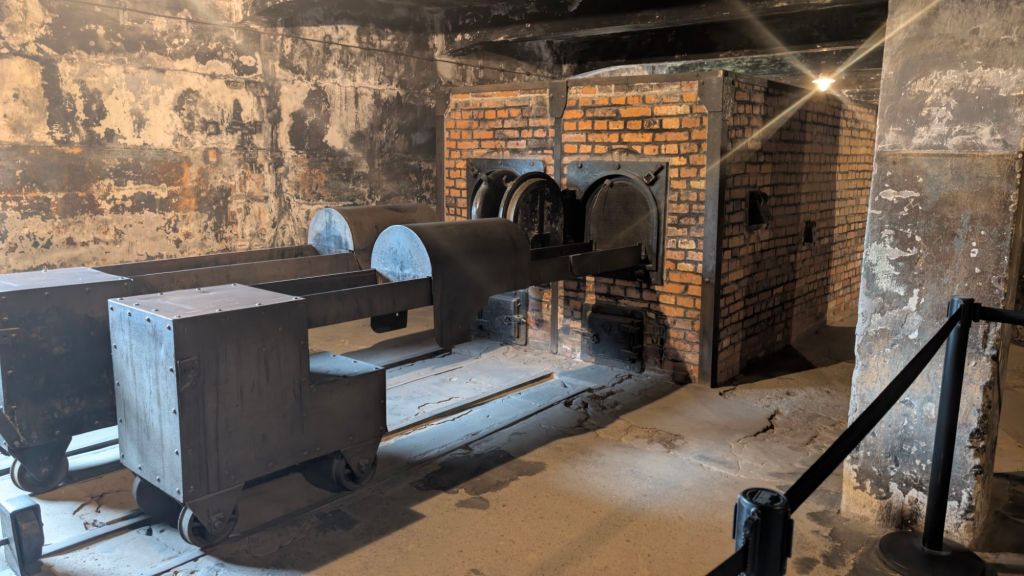
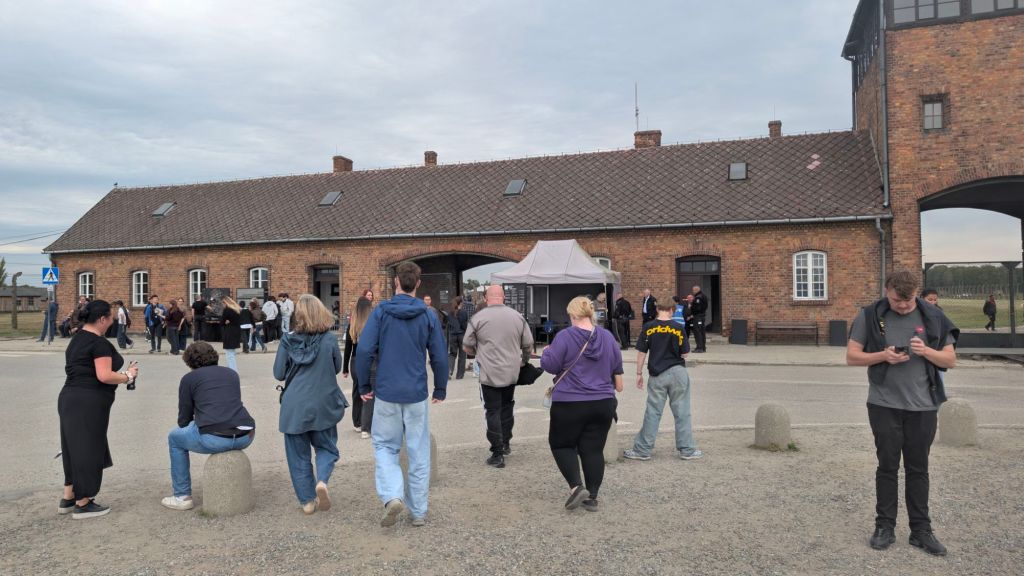
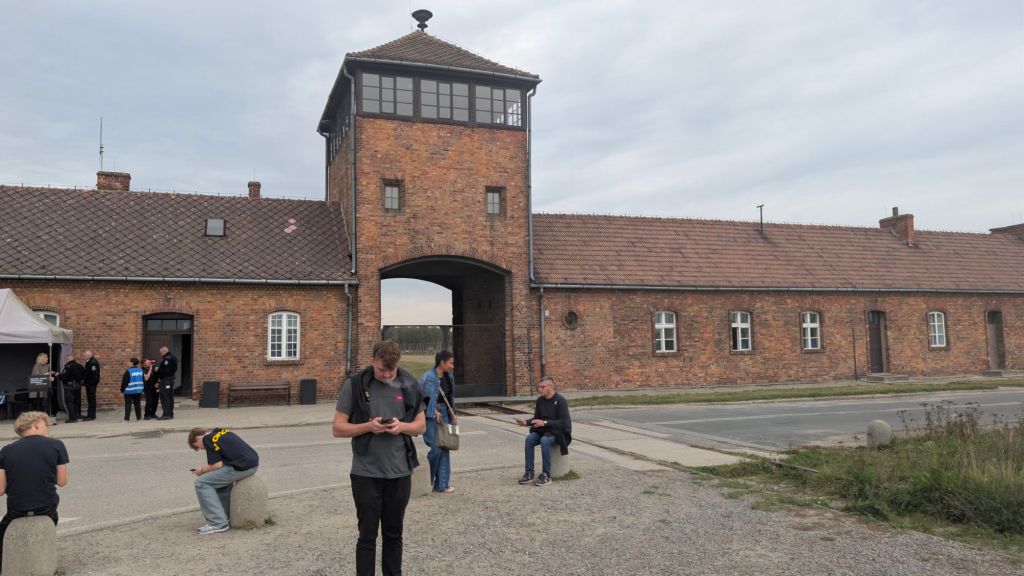
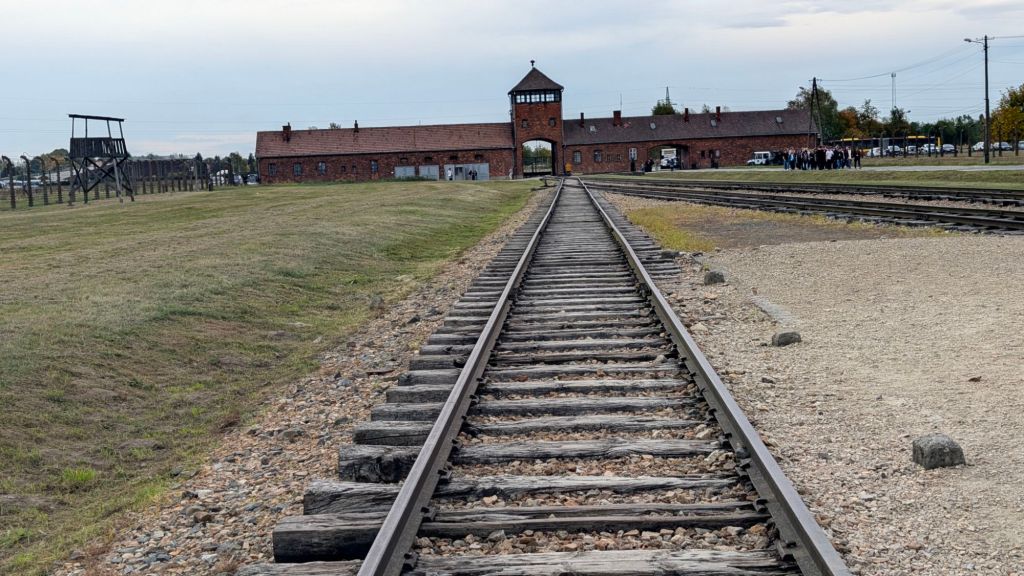
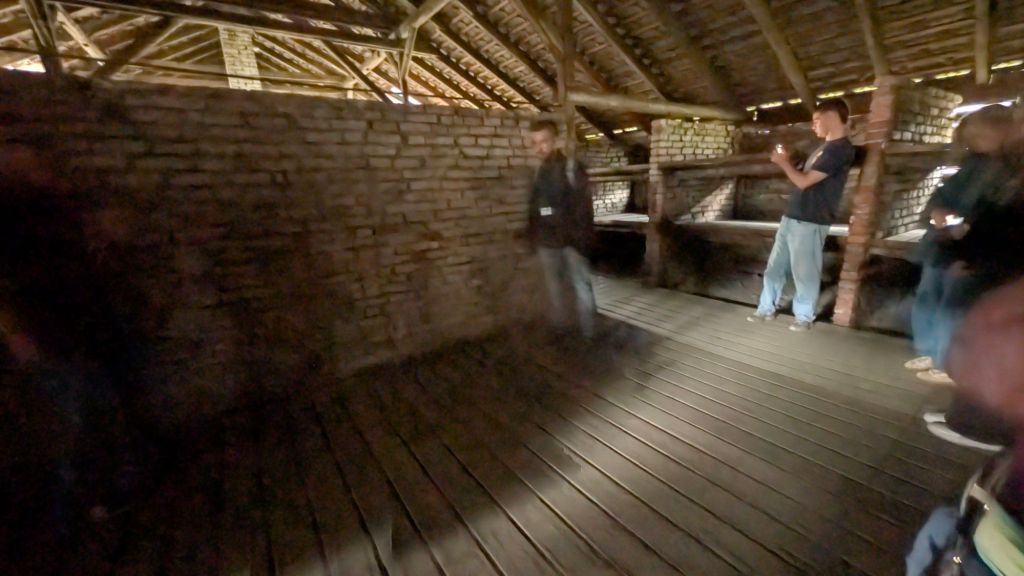
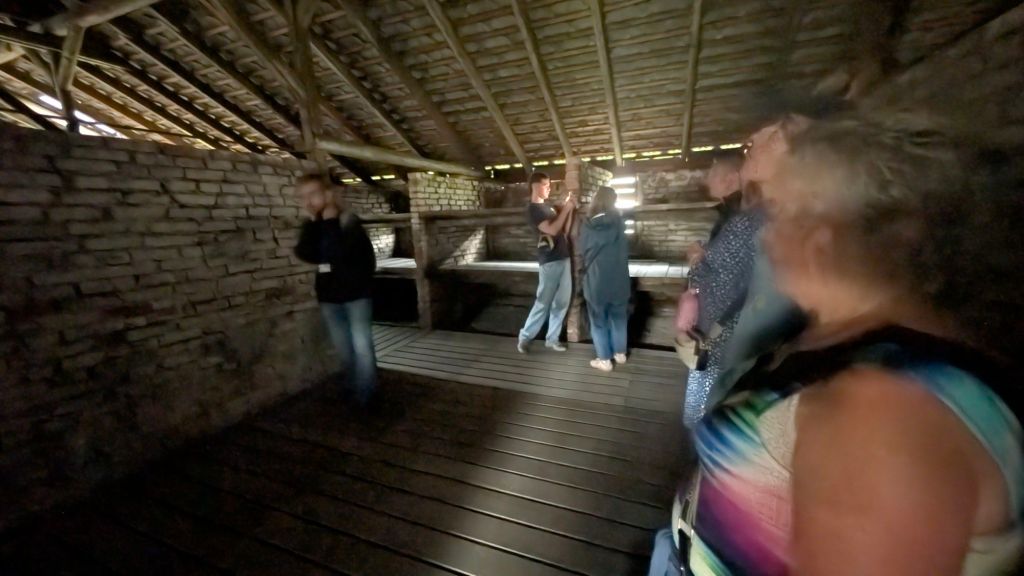
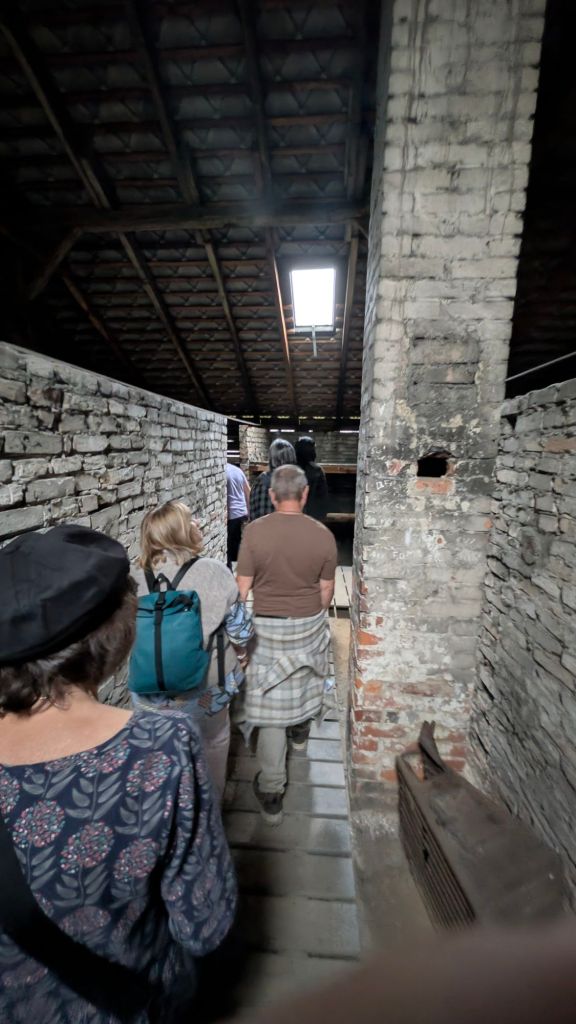
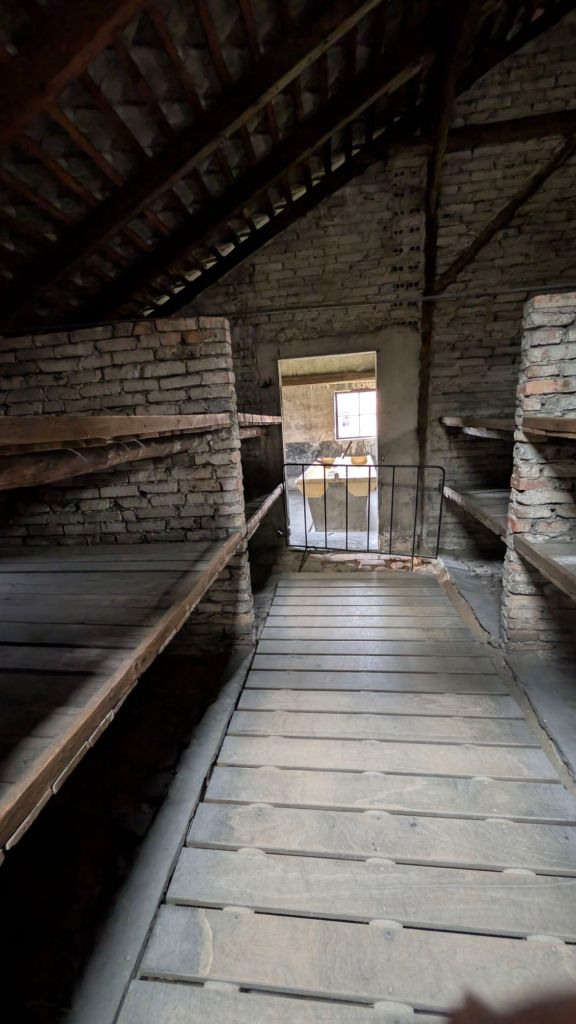
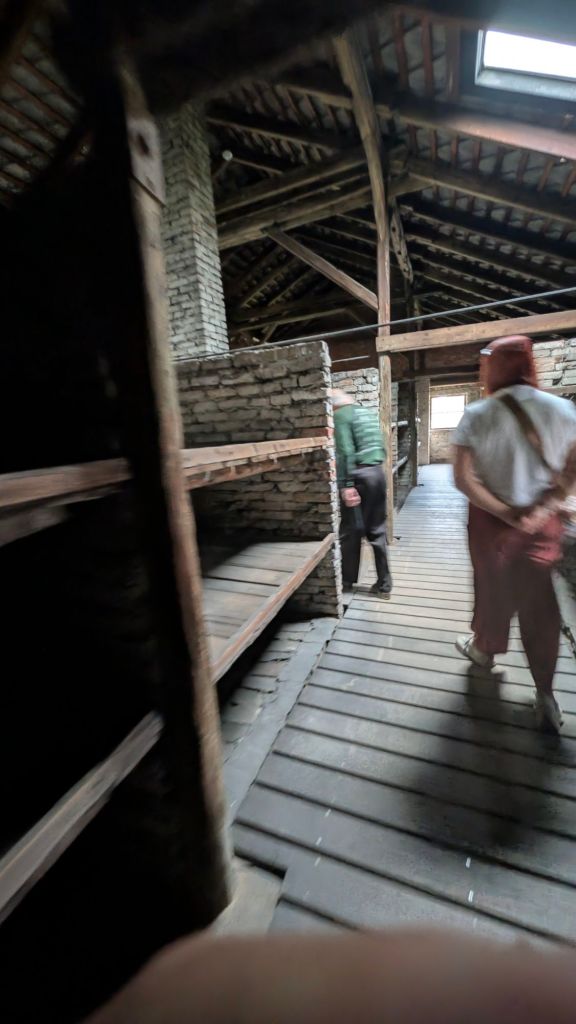
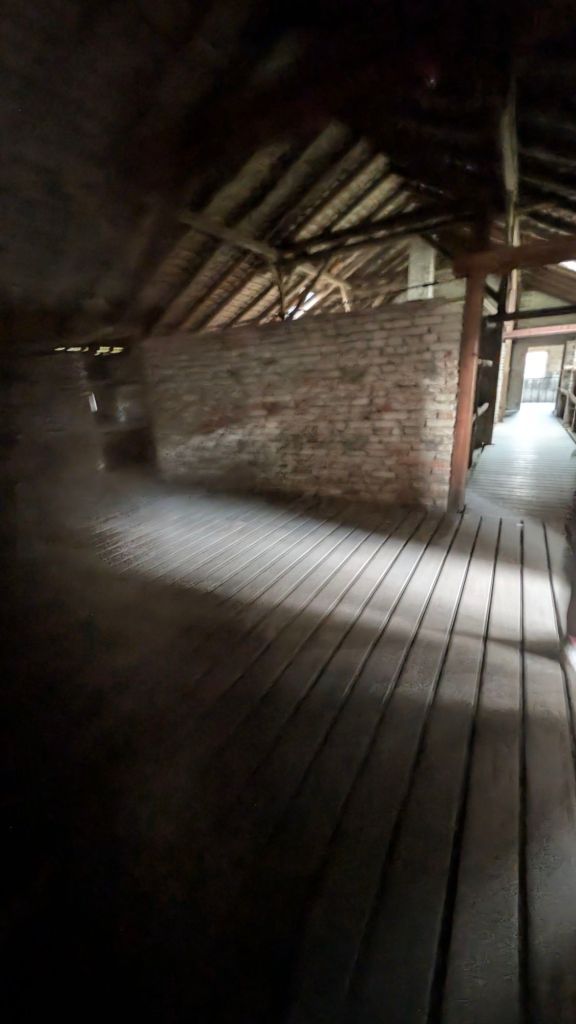
We were picked up on time by an English speaking Pole called Robert. He drove us an hour to Auschwitz when we went through airport style security and with a group of about 30 English speaking people we were taken by a guide for around 2 hours.
We were then allowed a 15 minute break before heading to Birkenau.
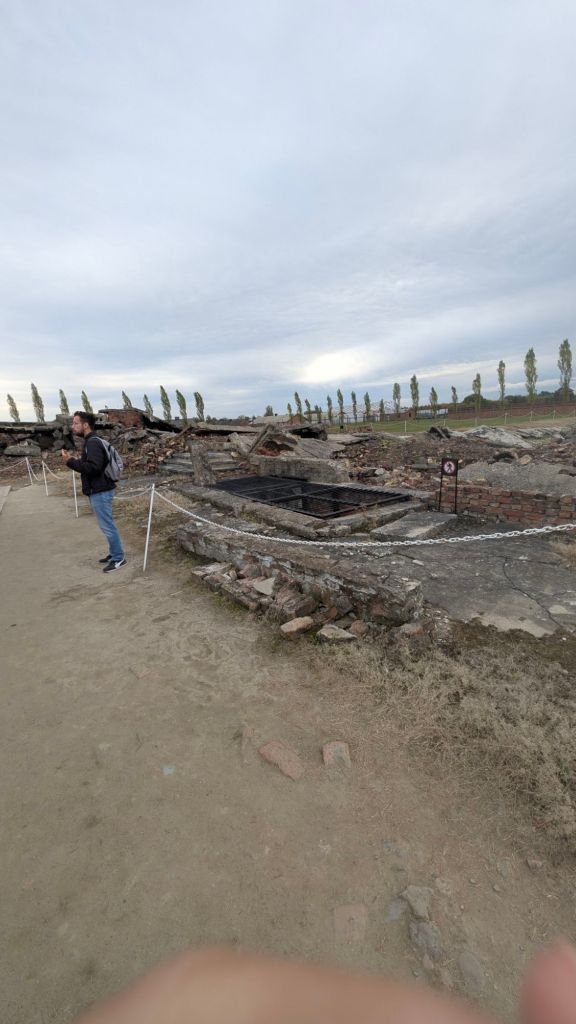
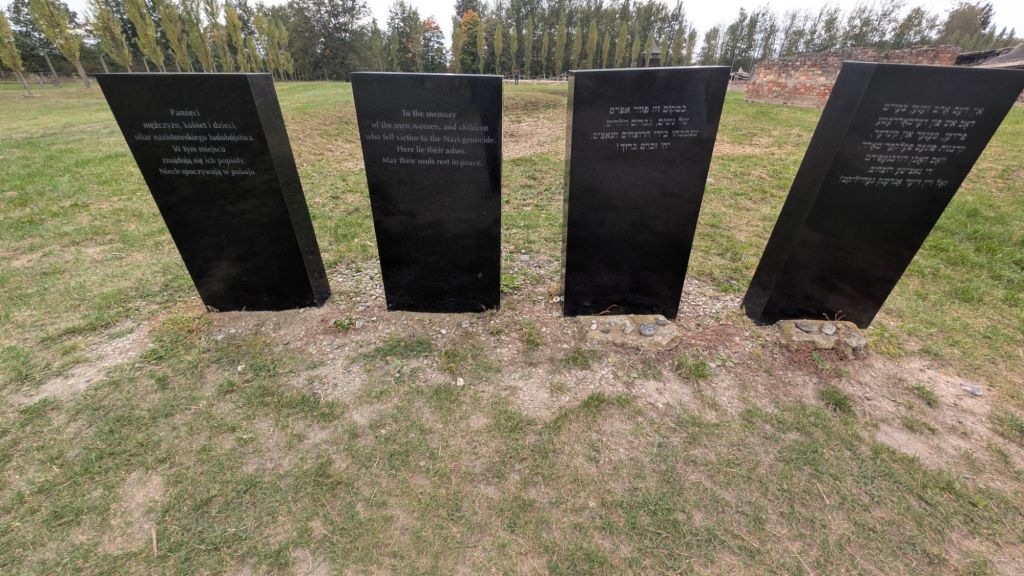
Birkenau was much bigger than Auschwitz.
We finished our tour at 4pm and head back to Krakow having done 13k steps😁
Today we left home to fly to Krakow for a few days. I will be writing a diary here of our trip.
Our flight from Stansted to Krakow was uneventful, other than the usual uncomfortable way RyanAir runs their airline. I did notice that the RyanAir hostesses and host announce their announcements in a totally understandable way because they do it so quickly.
The arrival into Krakow was surprisingly pleasant. The new system of border control was slightly different from our experiences in other places, but was much quicker than it was when we went to Italy earlier this year. We then, after a little confusion, managed to find the railway station in the airport and jumped on board for the 35-minute journey at a cost of about £6 for both of us.
As you would expect, Google showed us the way to our hotel, but I took a few shortcuts because, for some reason, it was taking us quite a long way round. With my usual navigational experience, we got there much quicker than Google expected. Cheap eh!?
Entry to the hotel wasn’t quite so easy. We had to stand outside and phone a Polish number to get someone to let us in, although a resident of the hotel arrived as we were doing this. They were American, I think, and they let us follow them through the door as they had a card key.
Our room is on the first floor, number 11. It’s a corner room with a balcony. It’s very pleasant. I took a couple of photographs, which you’ll be able to see below. It’s spacious, with a nice en-suite bathroom, a big bed, and two single duvets, which is very much the European thing.
Once we’d done a little bit of unpacking, we girded our loins and set off in a direction for a restaurant that Val had discovered on Google, which had a good vegetarian selection. When we arrived, we found that it was nearly full or booked, and apparently is booked for at least a week or two ahead. That’s the power of the internet, by the way. We managed to find a small window table with sort of children’s high chairs, and we decided to stay.
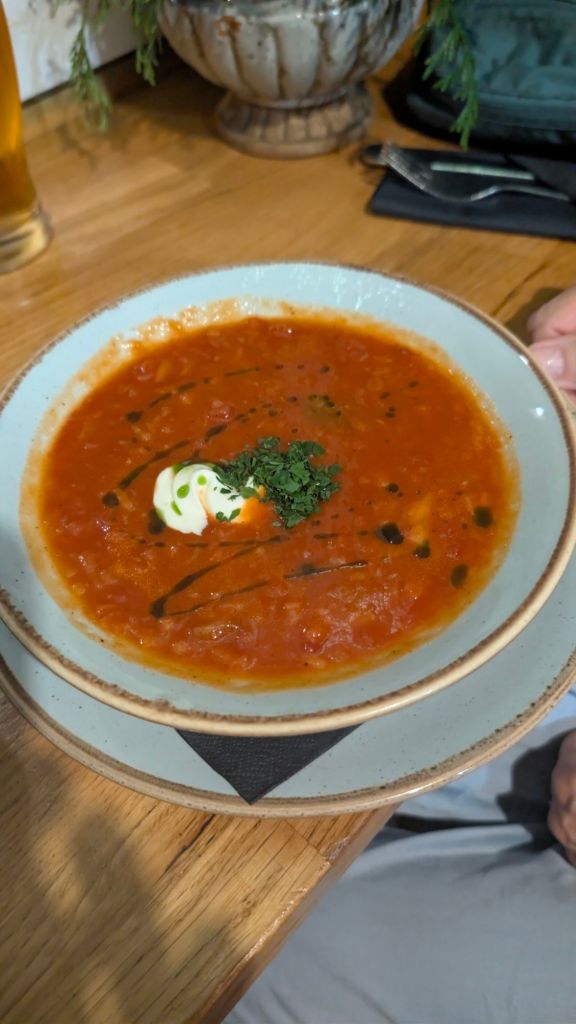
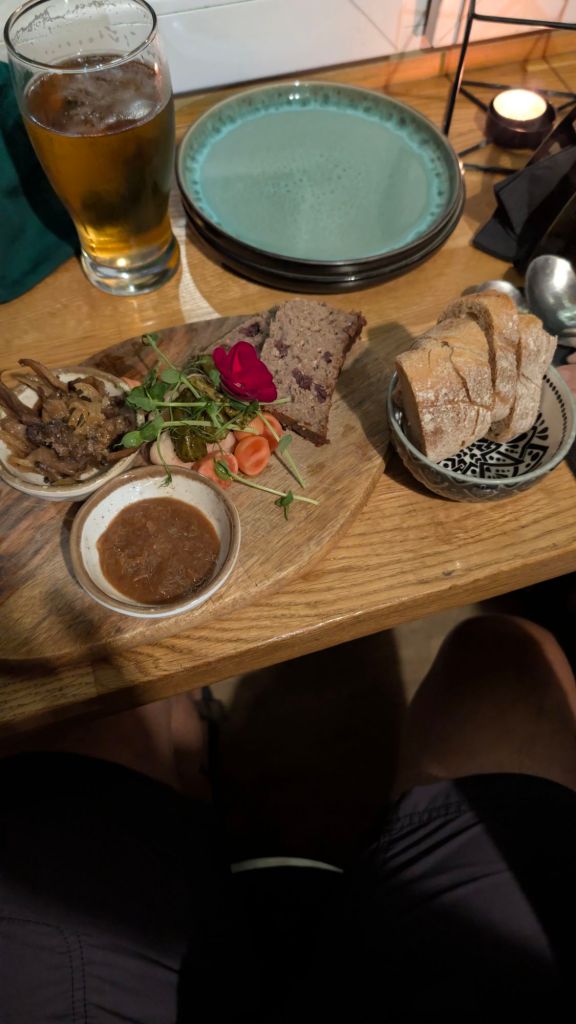
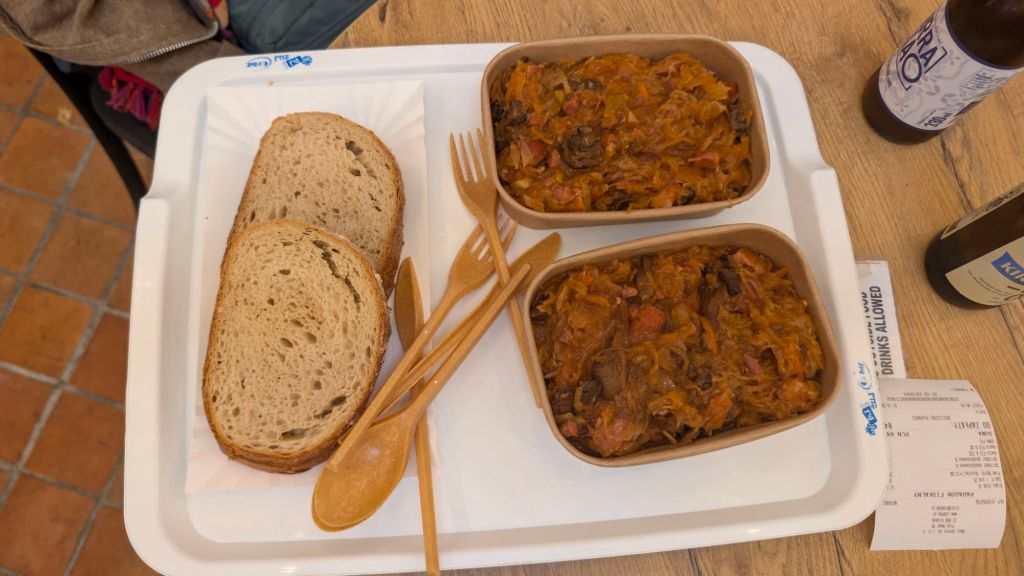
We both ordered, and with the help of a very patient waiter, we ordered beer and waited for our food, which, when it did arrive, was very, very tasty. Again, we took a few photographs, which you’ll see below. Once we’d finished our meal, we headed back towards the hotel and took a few diversions just to look at the neighbourhood, but arriving back in room number 11, we hit the sack as we were tired.
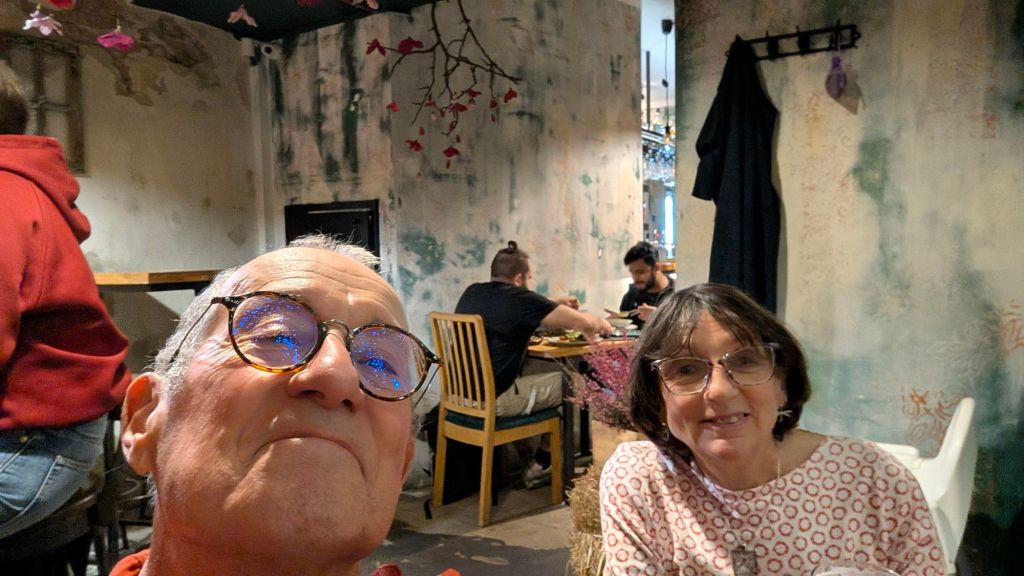
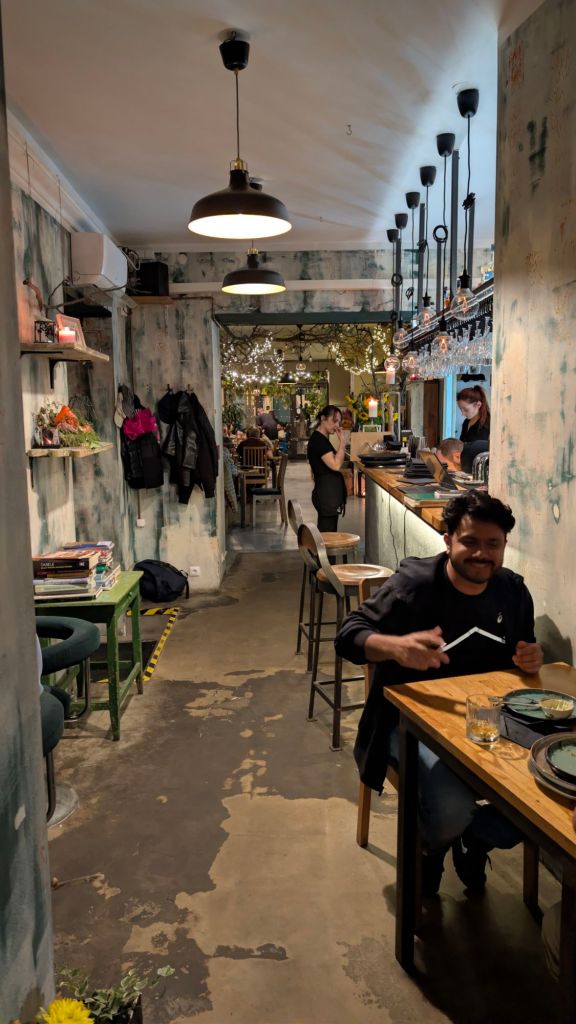
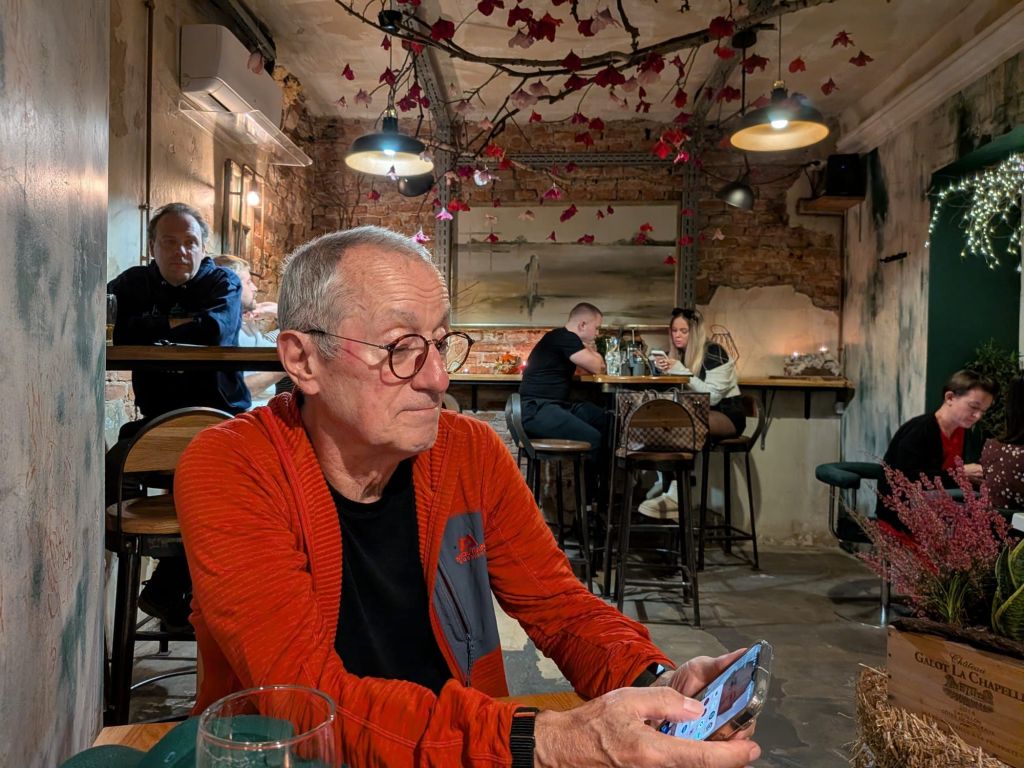
And now we’re at the restaurant.
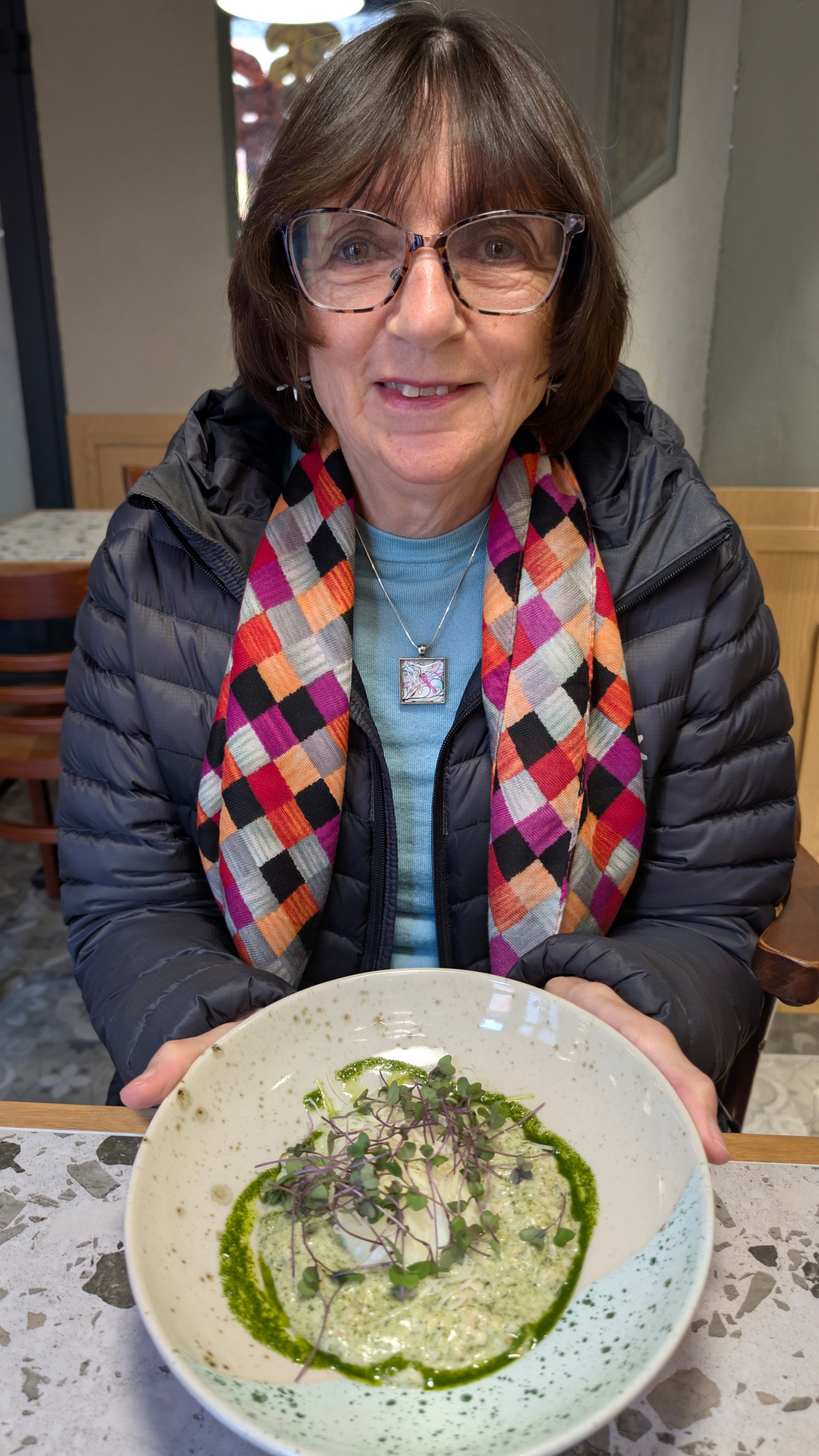
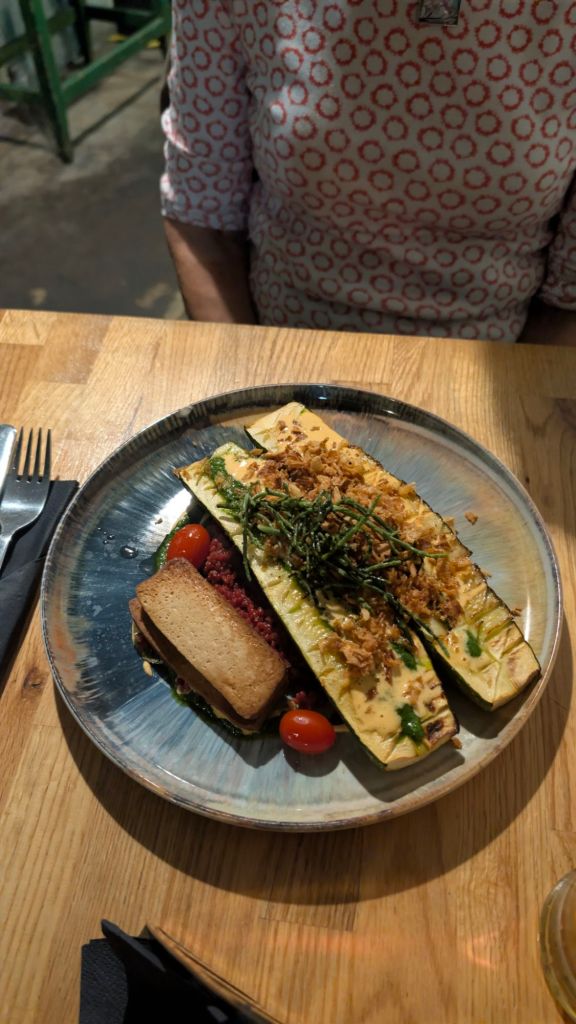
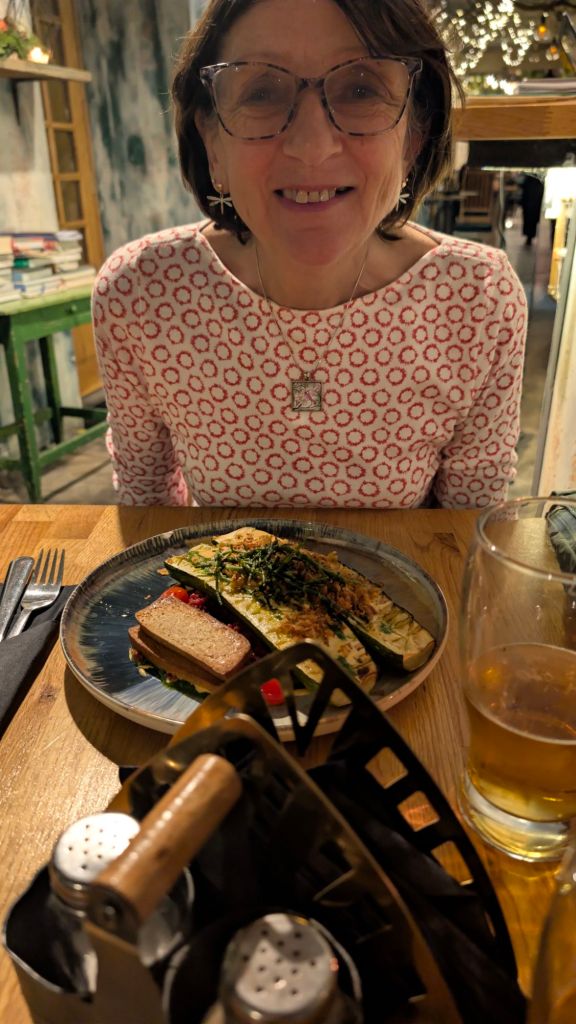
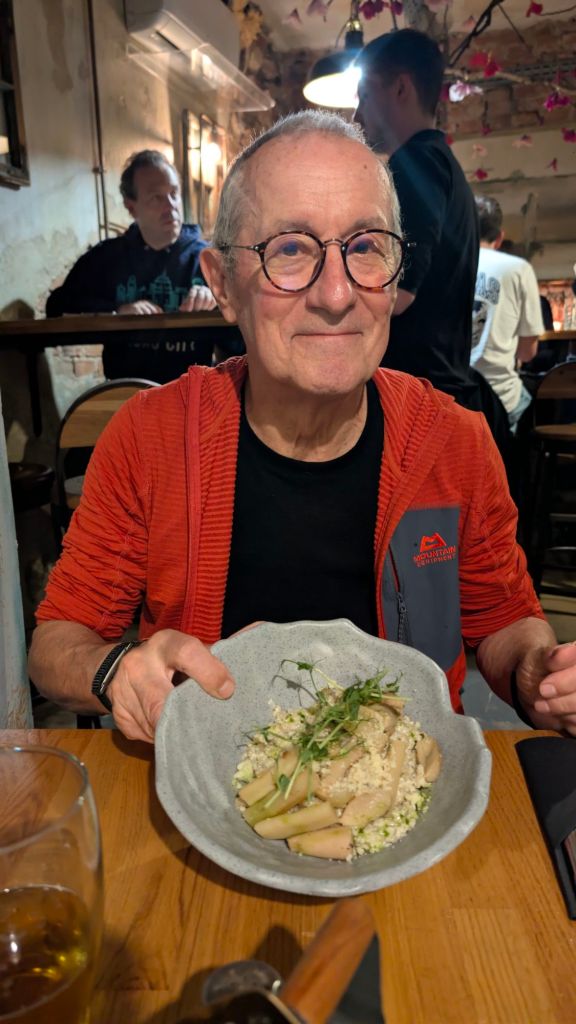
Val had a courgette and tofu dish, which I tasted. It was very, very nice. This was a mushroom risotto with cheese, and it was delicious.
Wednesday, the 7th of October.
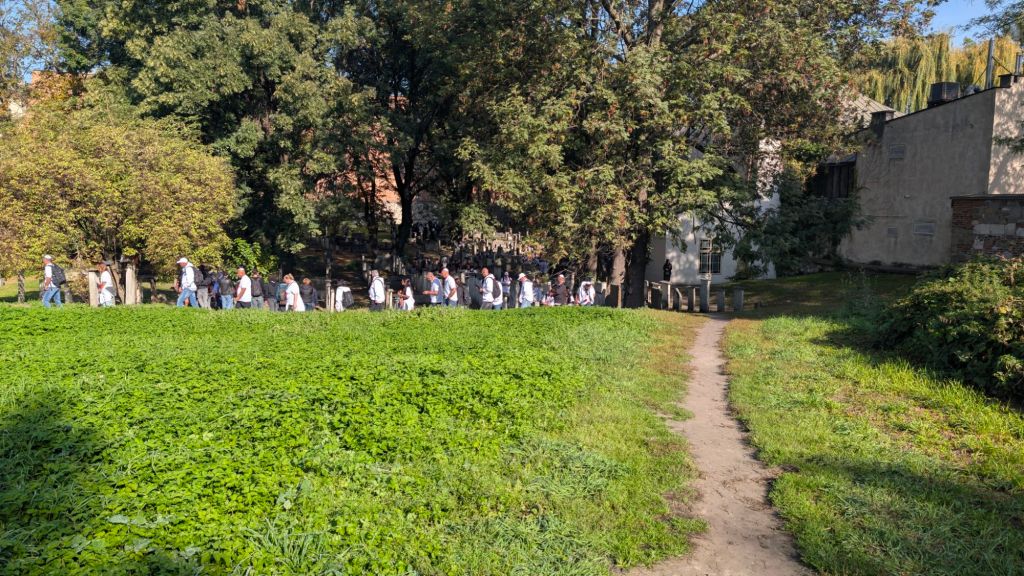
Today we intend to wander the streets of the Jewish area of Krakow, choosing cafes to refresh ourselves in, and taking pictures and recording things about the city.
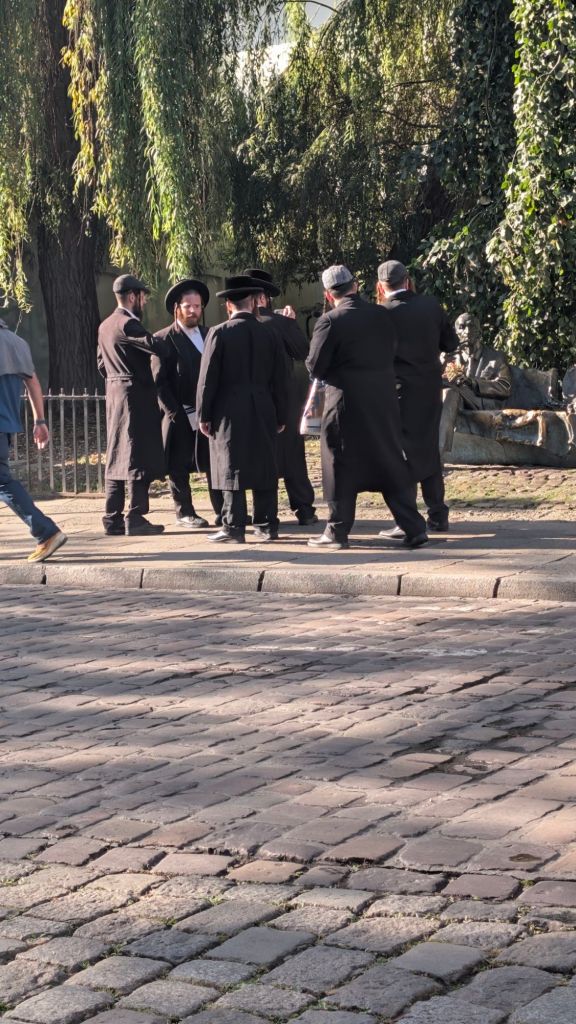
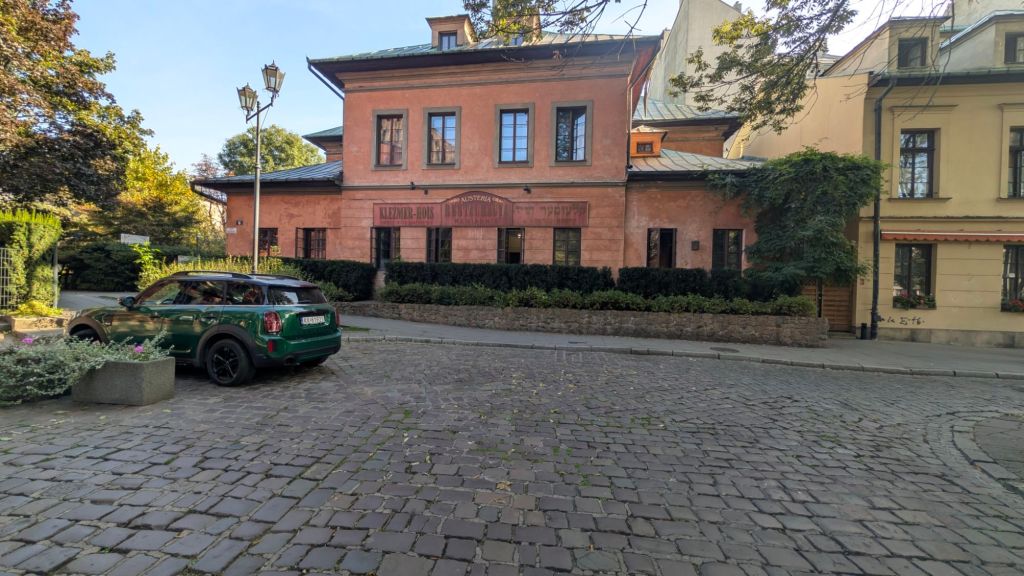
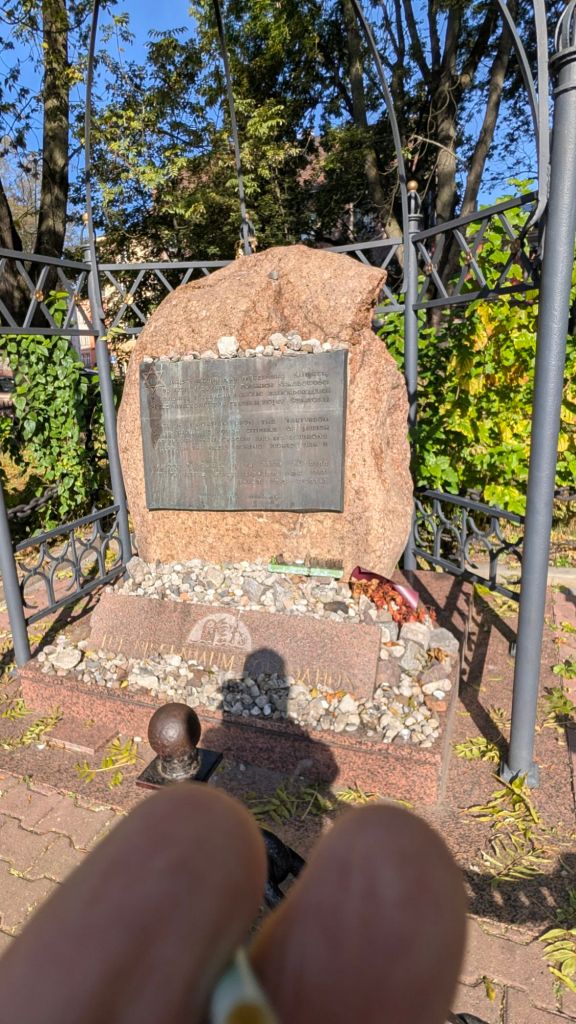
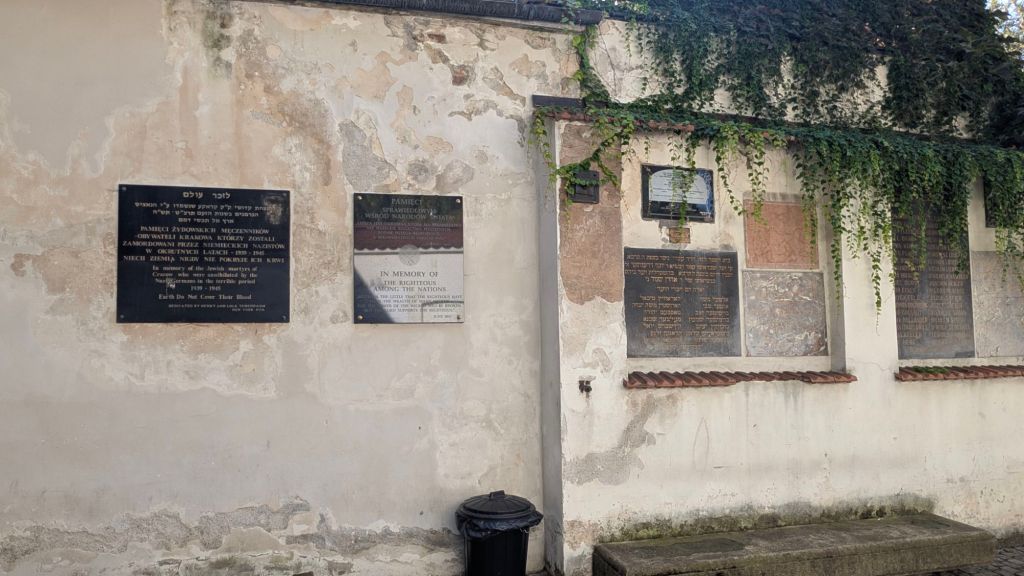
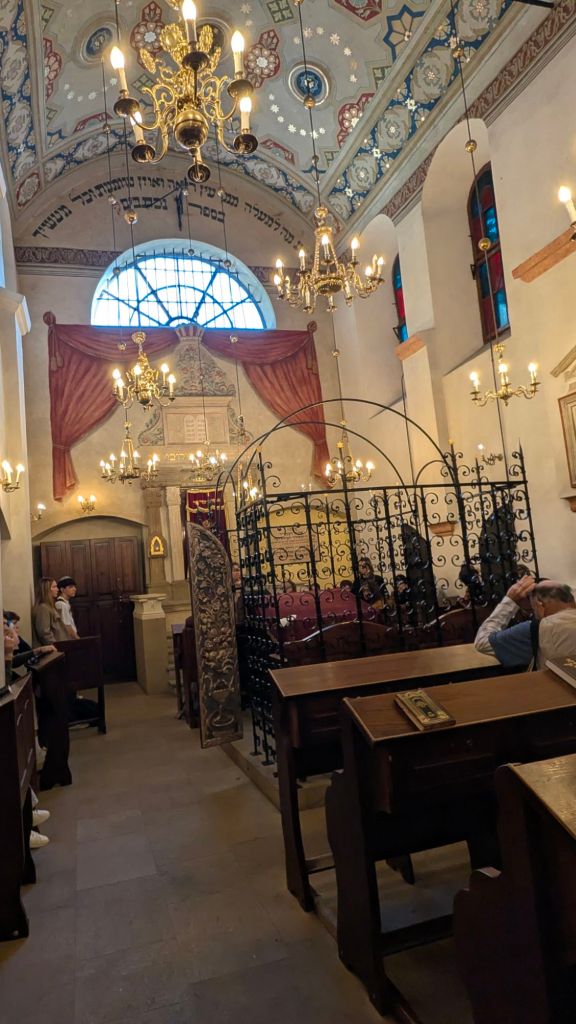
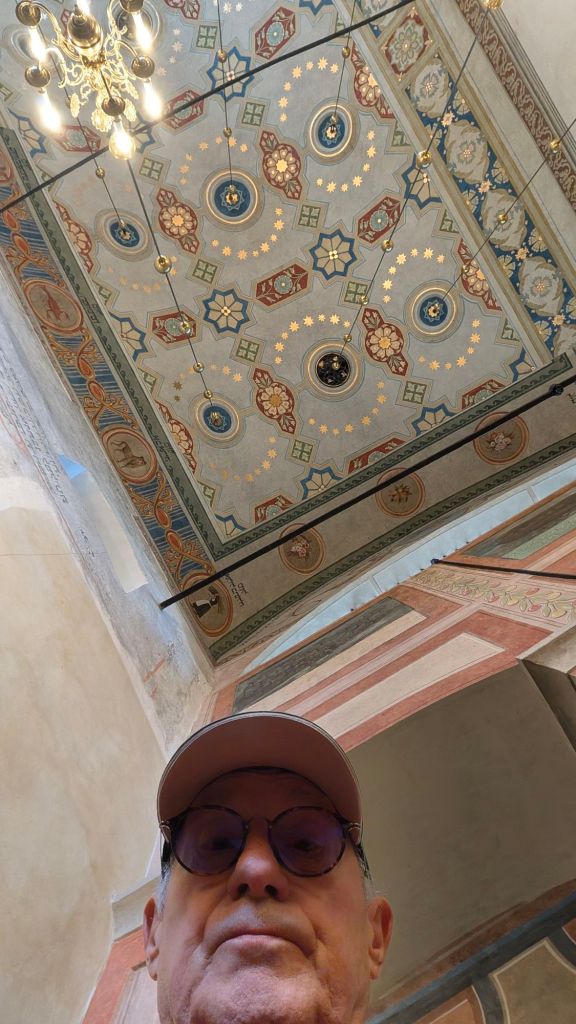
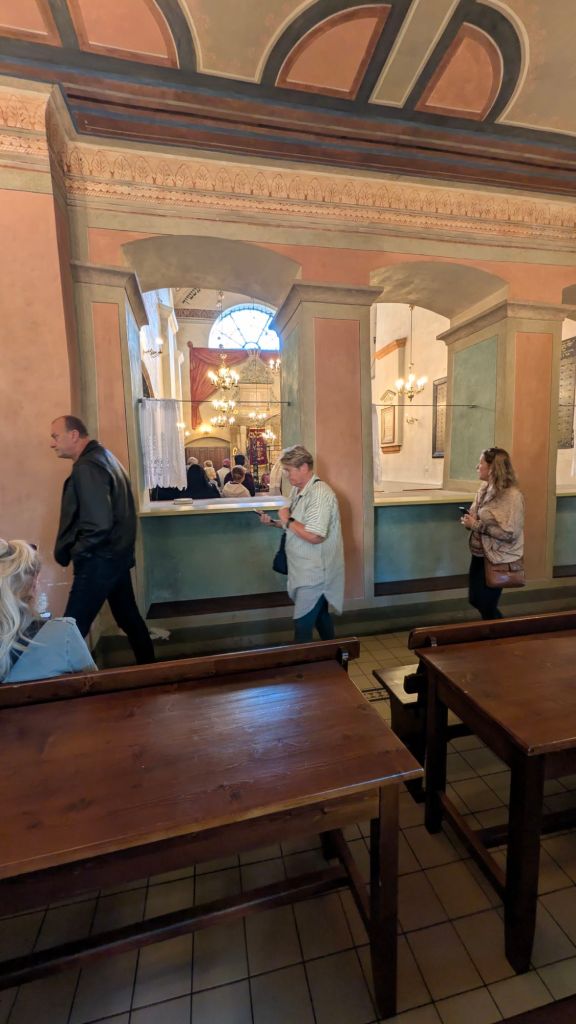
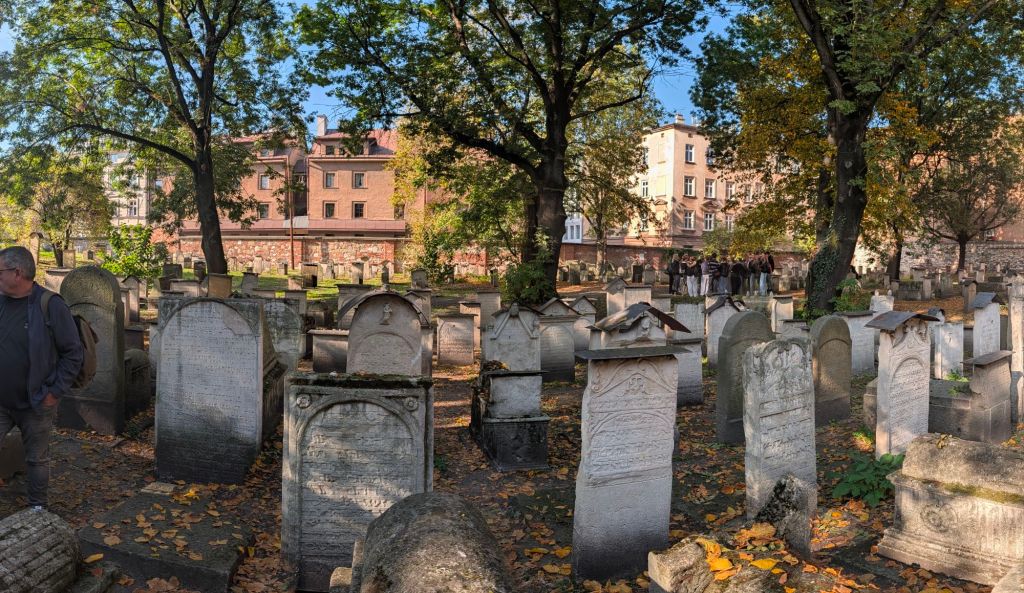
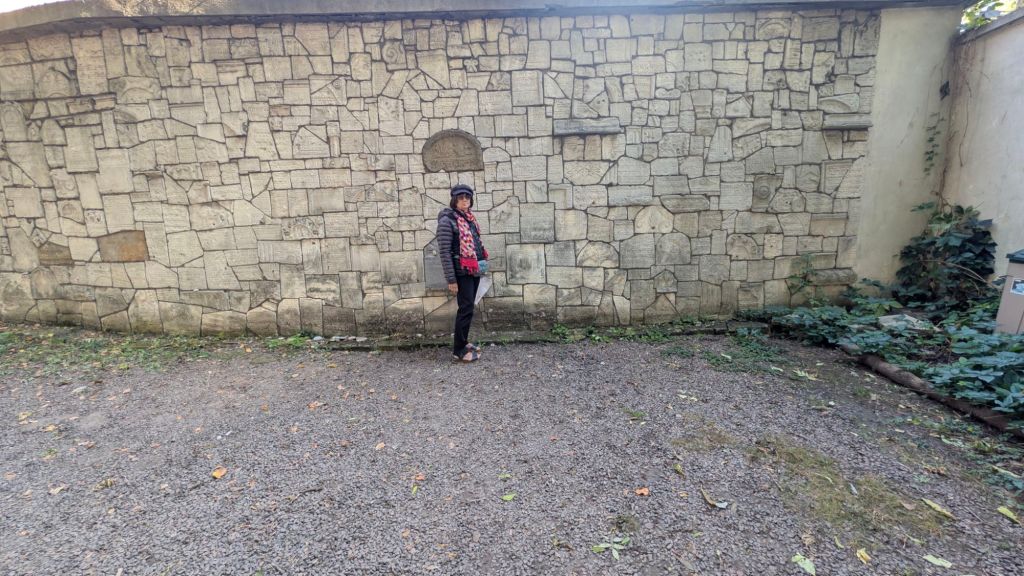
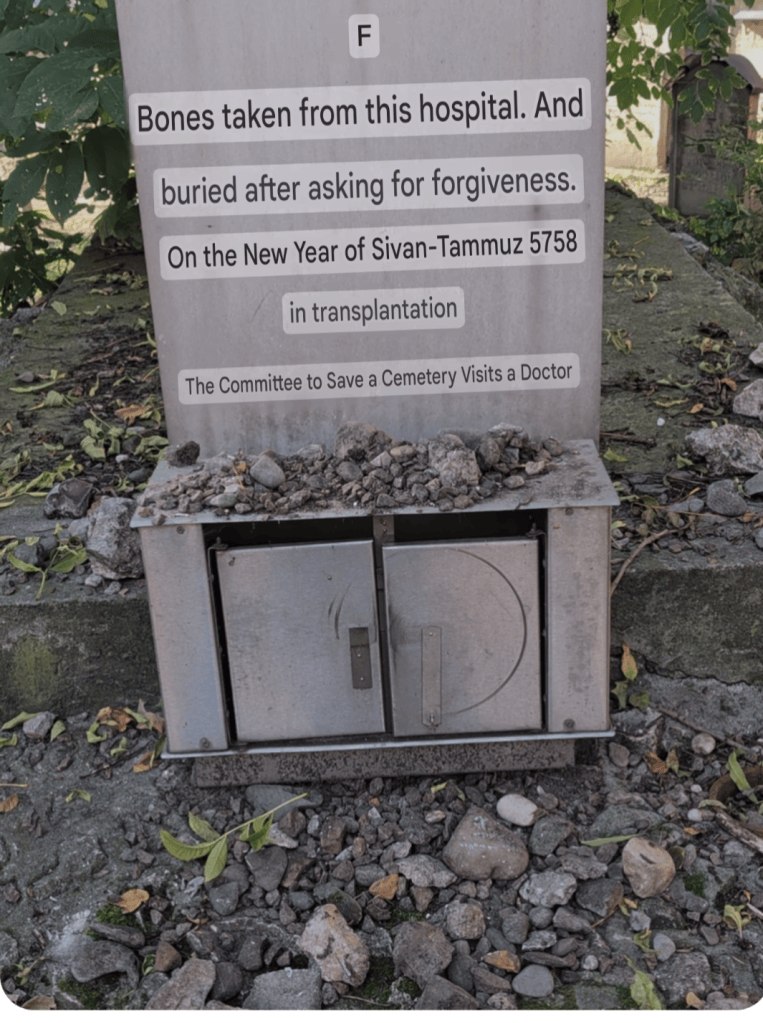
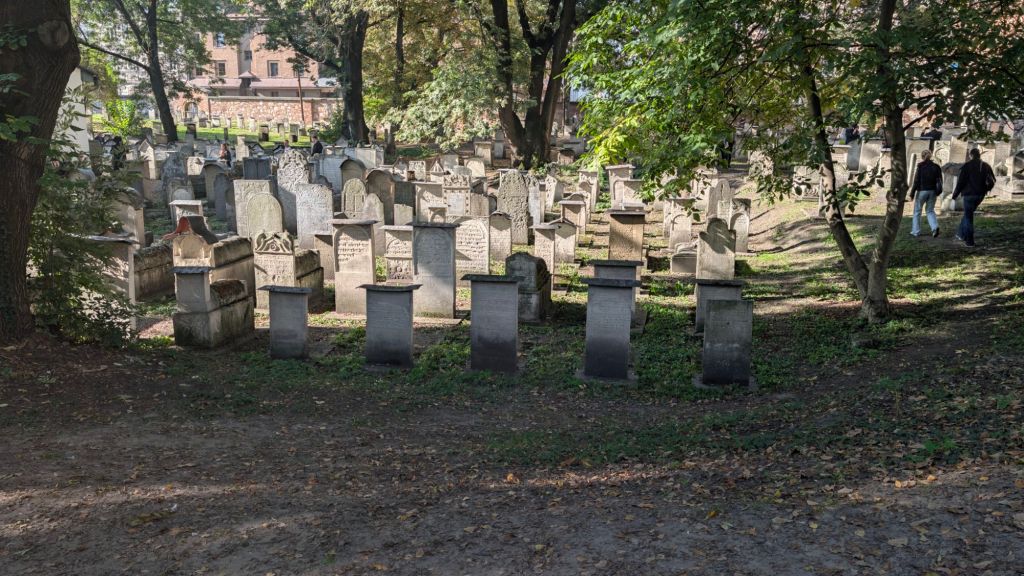
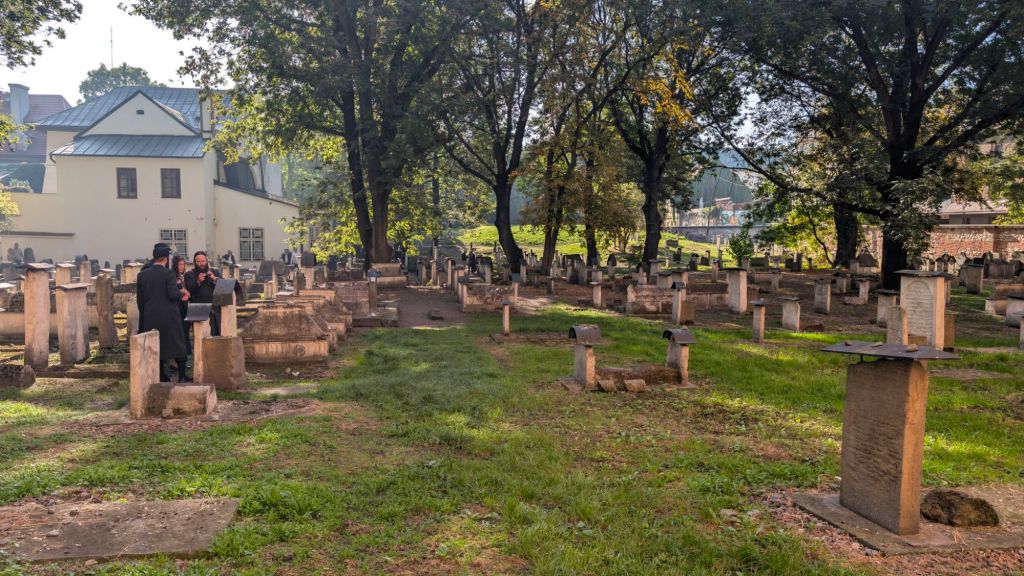
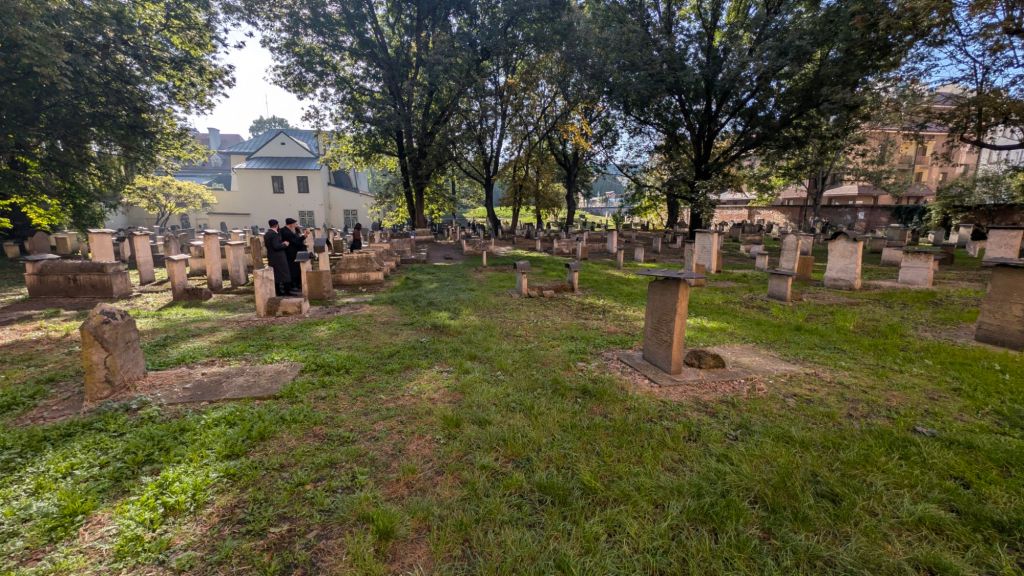
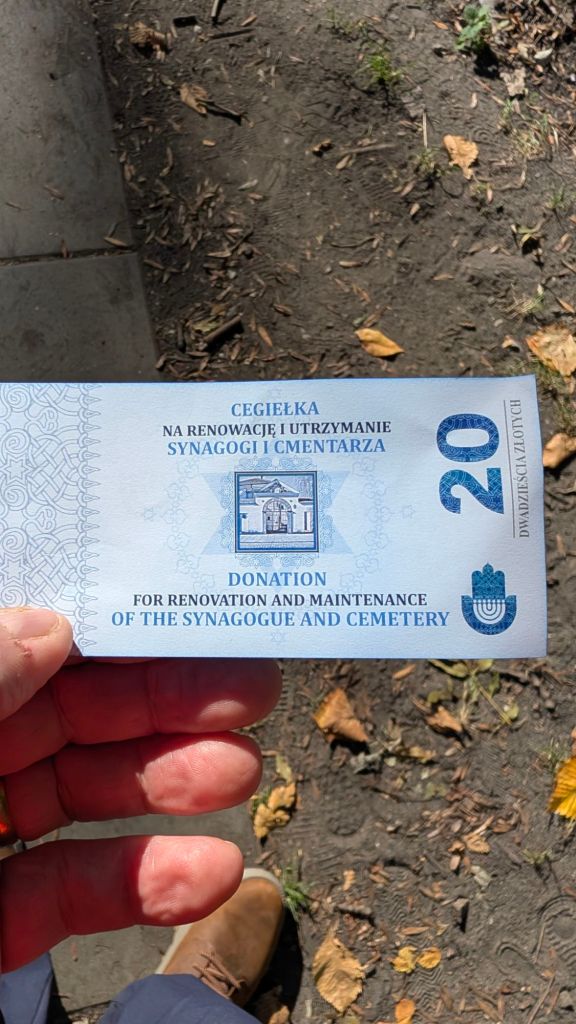
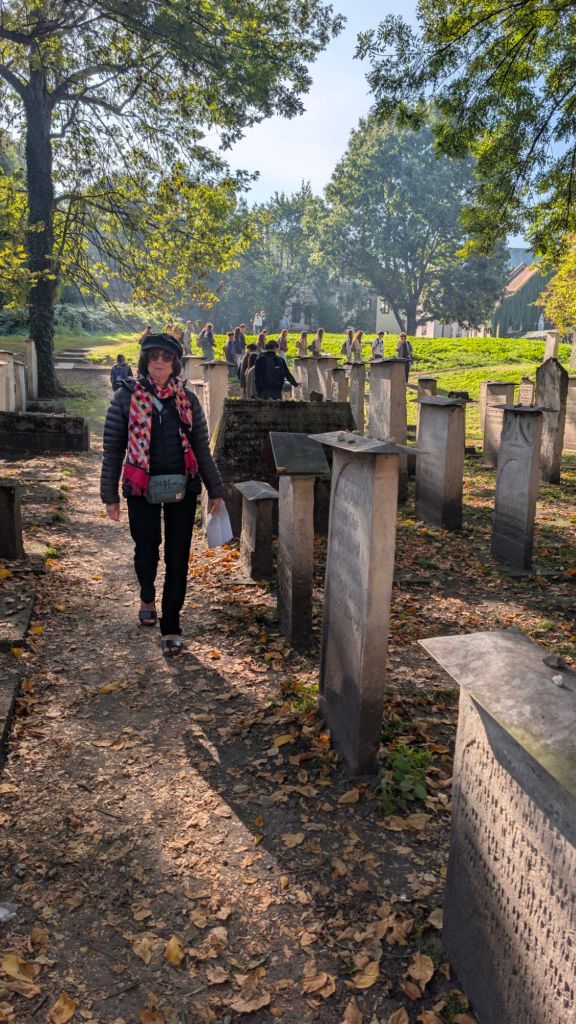
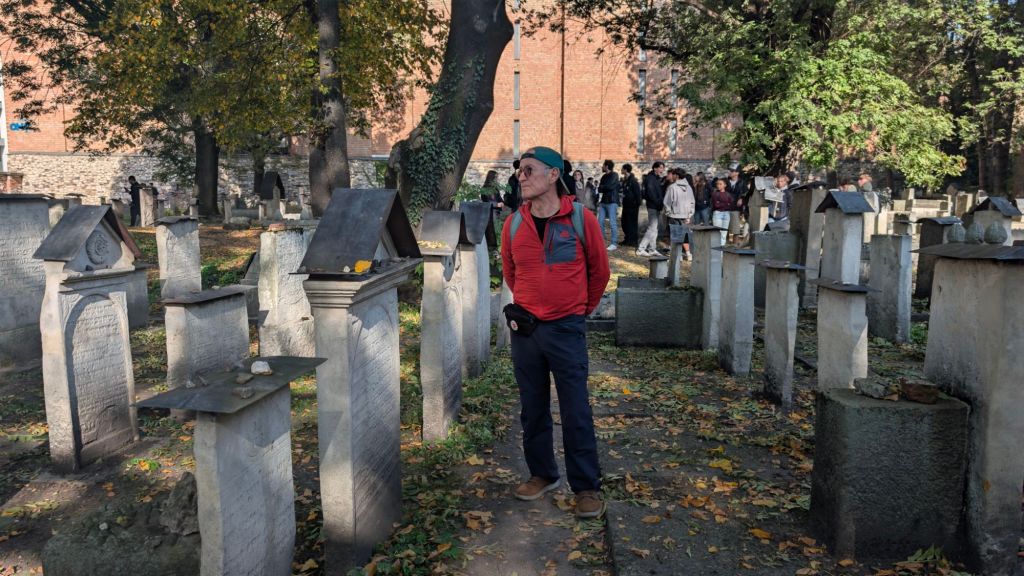
After breakfast, we started a walking tour of the Jewish area, visiting Jewish notable historic points, memorials, and synagogues.
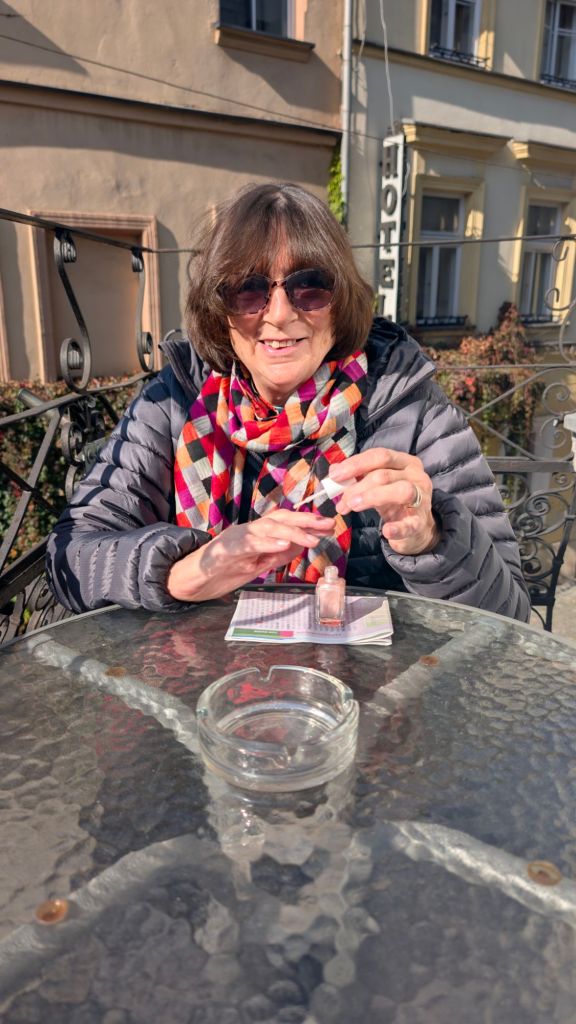
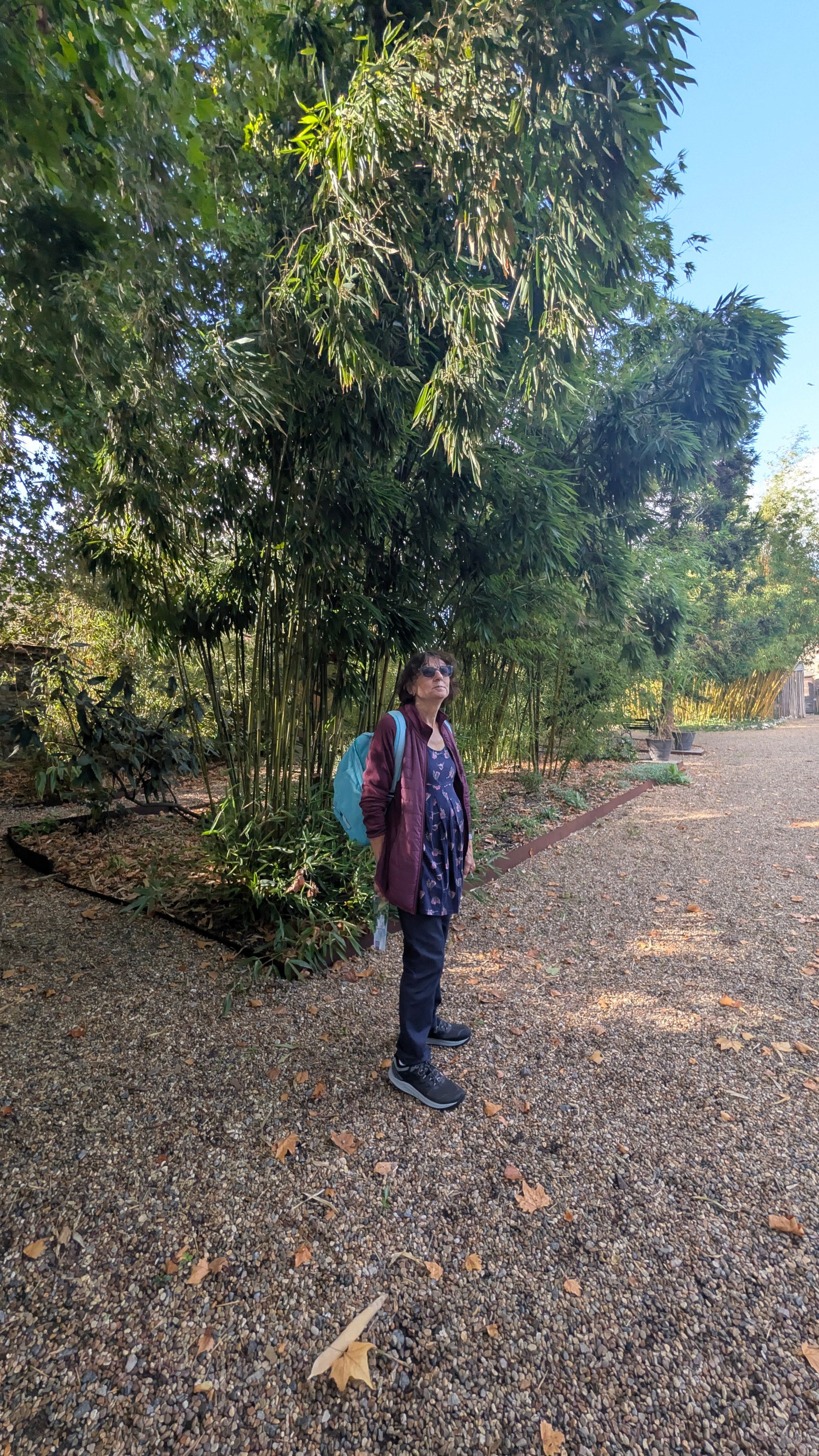
And here’s Val on our balcony doing her nails.
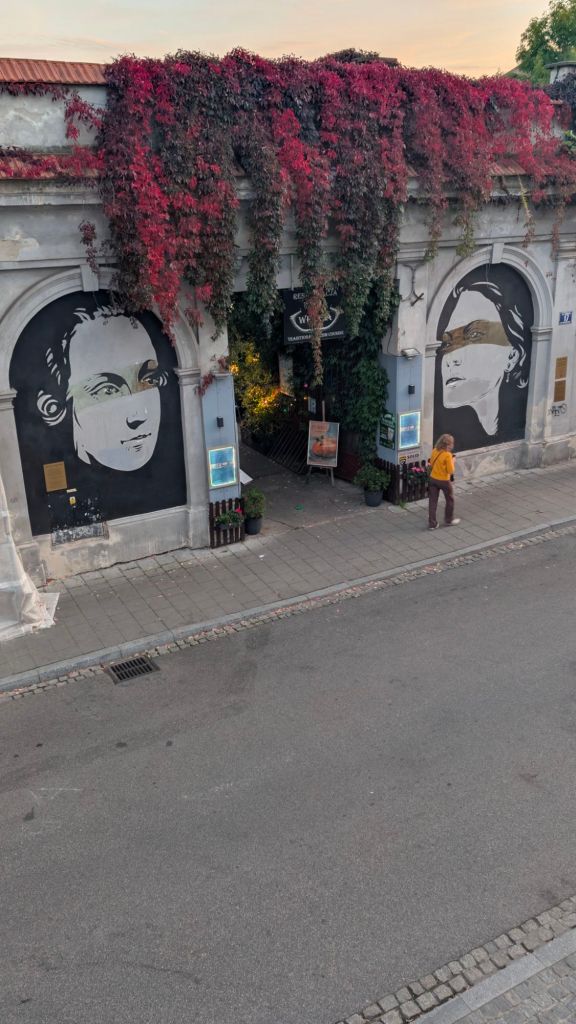
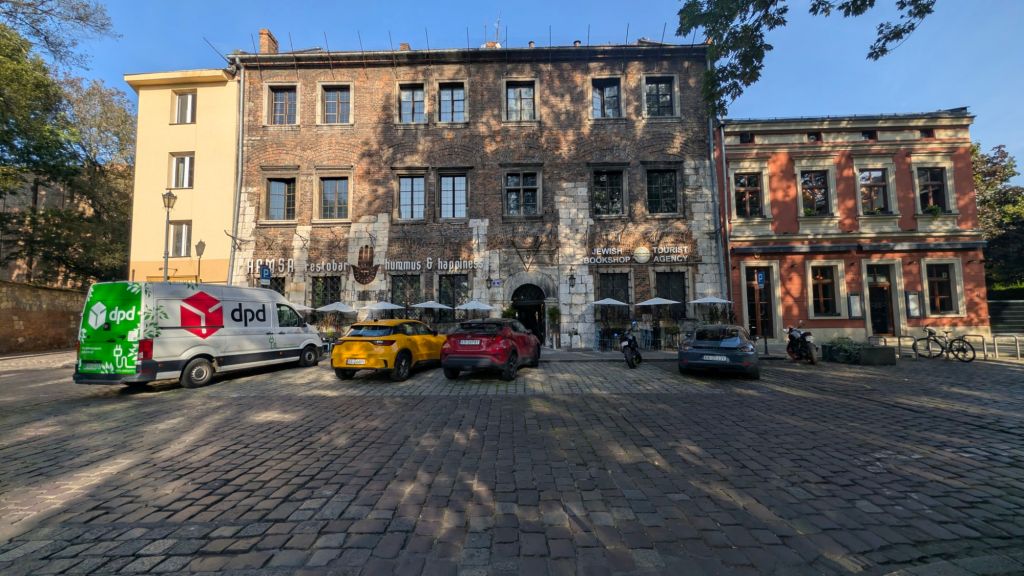
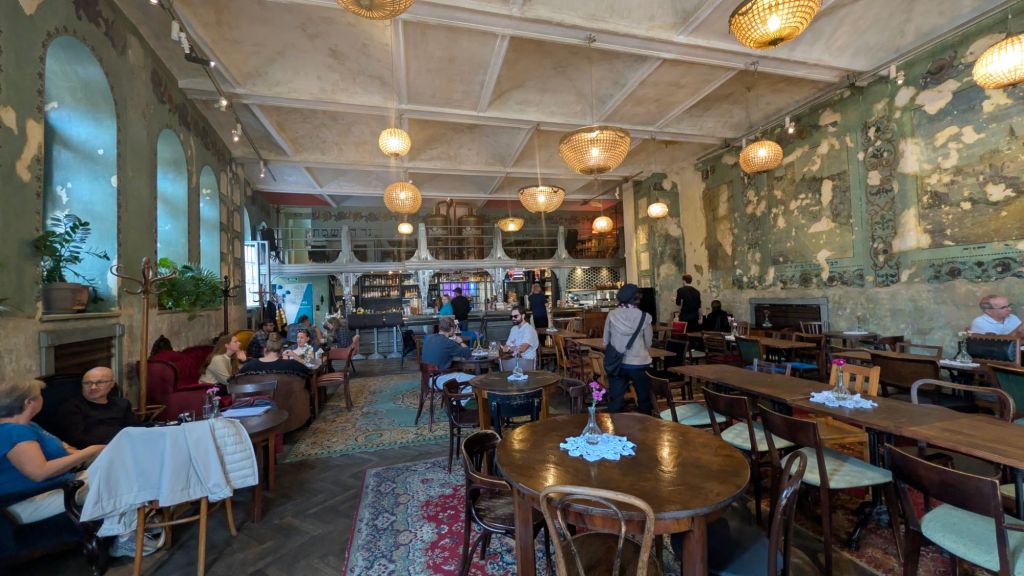
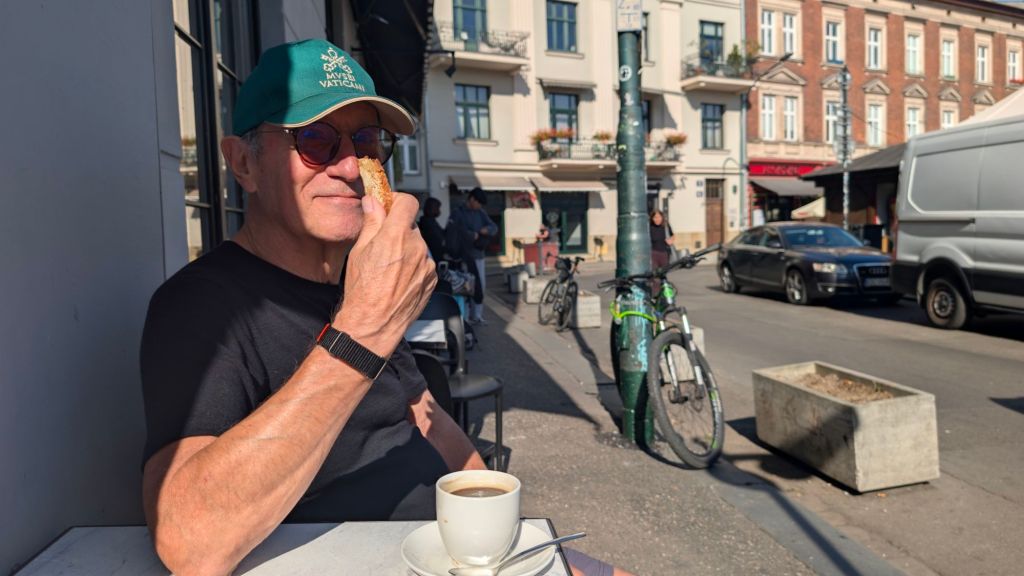
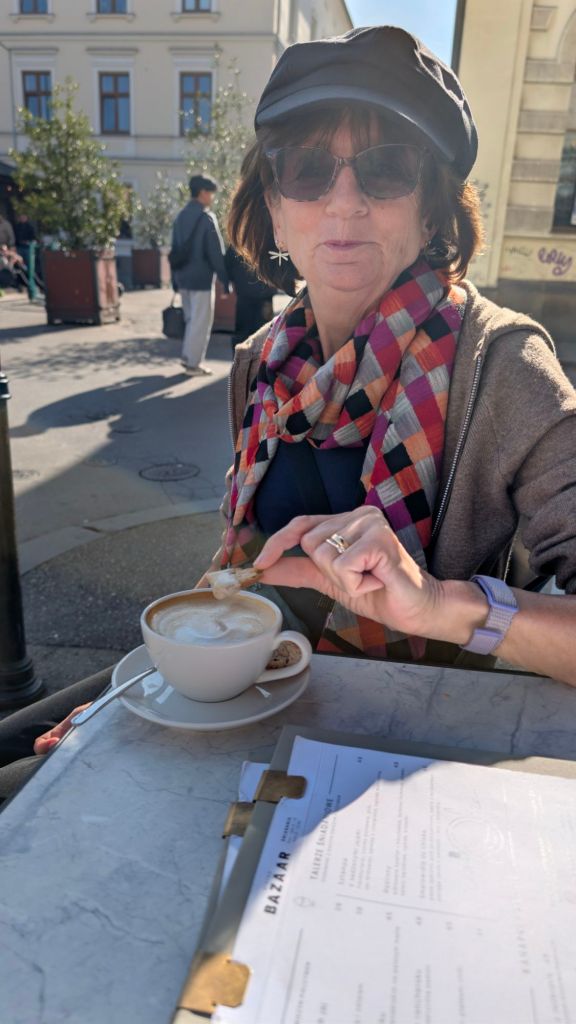
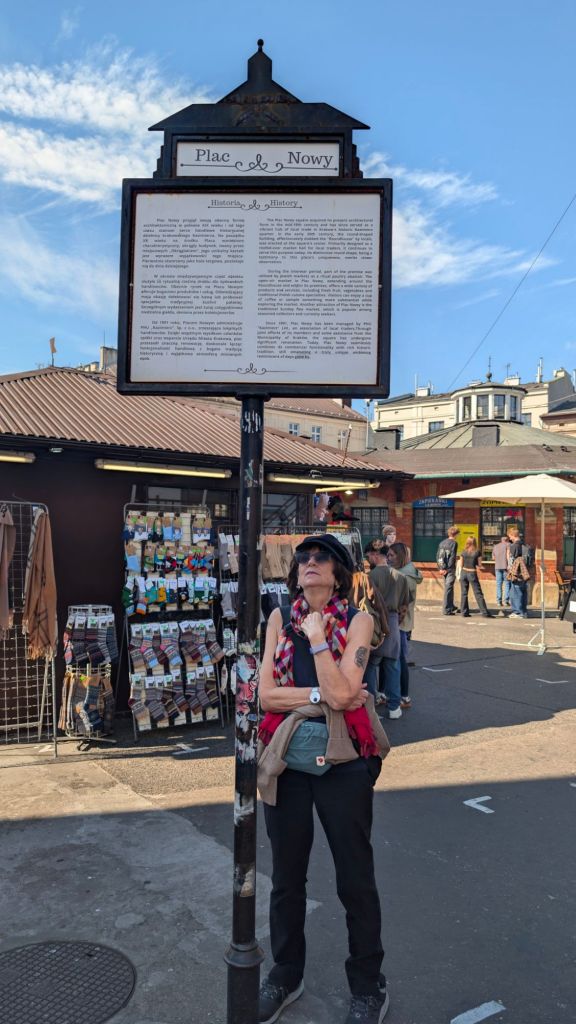
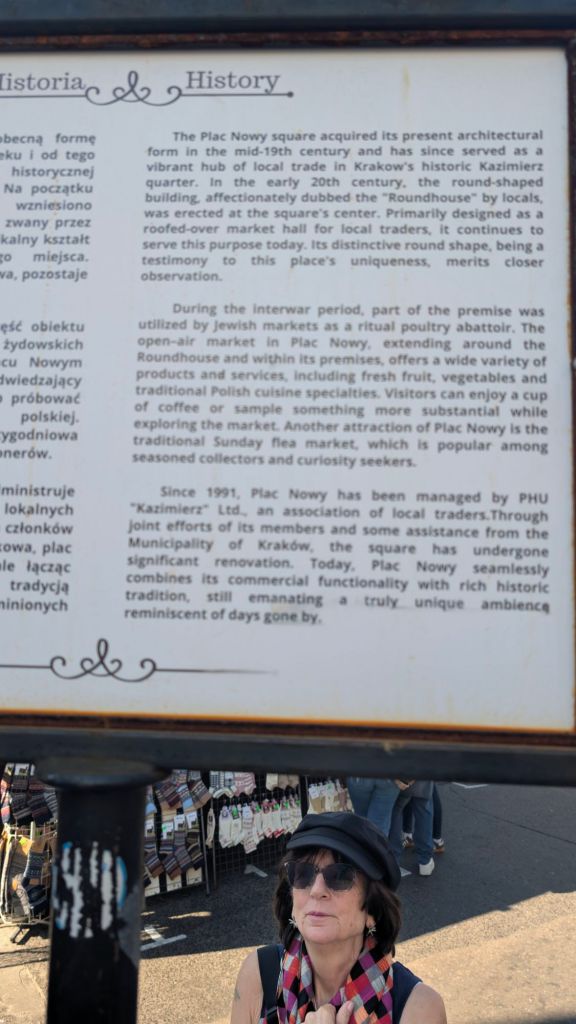
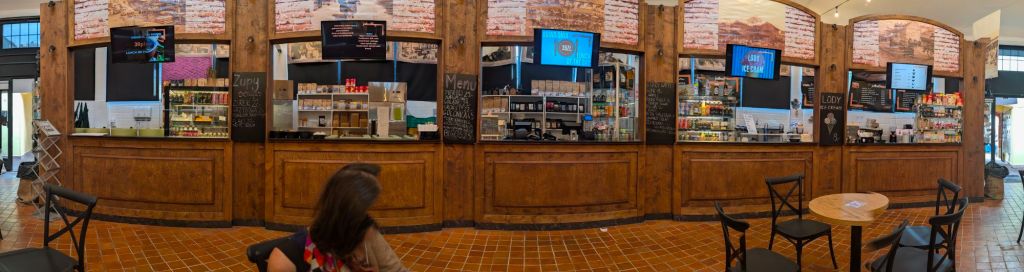
Once Val had done her nails, we decided to have another little walk around the old town. We had coffee in what used to be a market for Jewish storeholders, and there was a slaughterhouse, too.
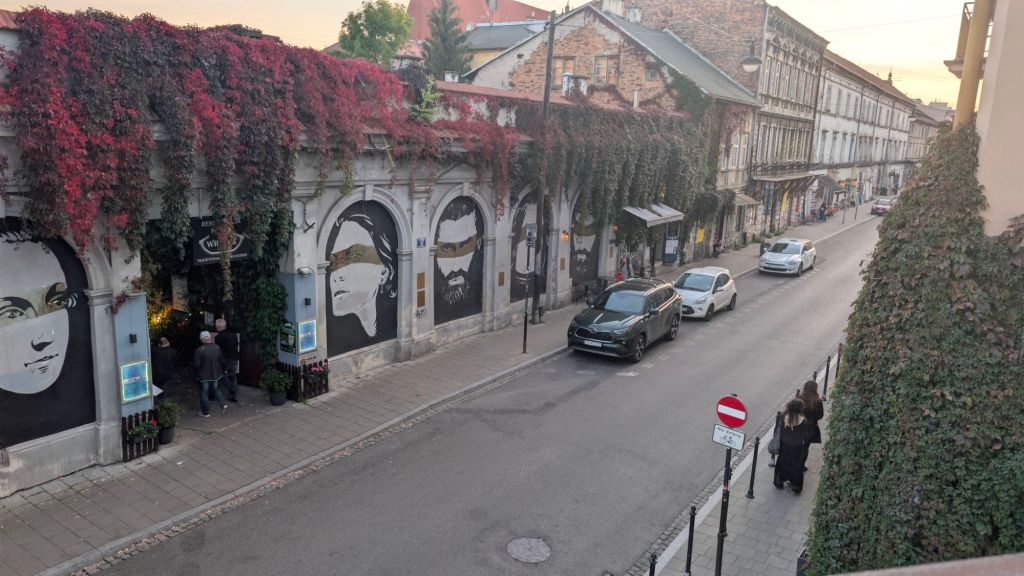
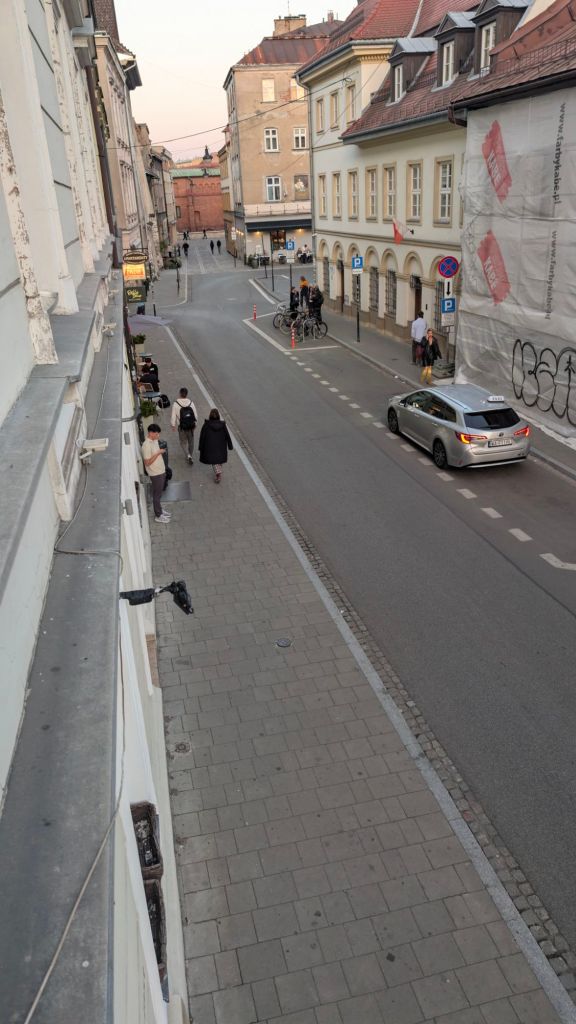
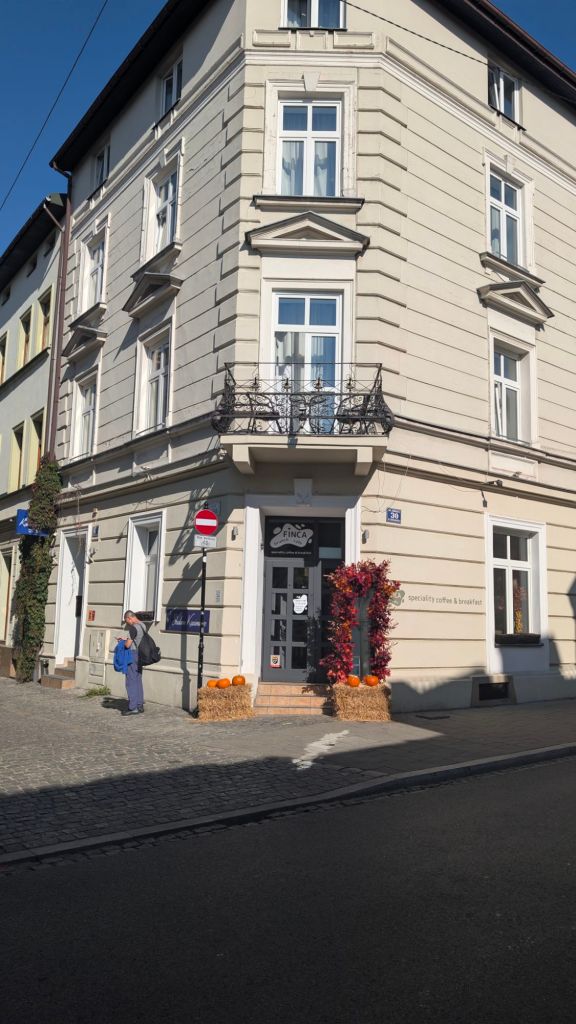
The next picture is taken in the street of our balcony.
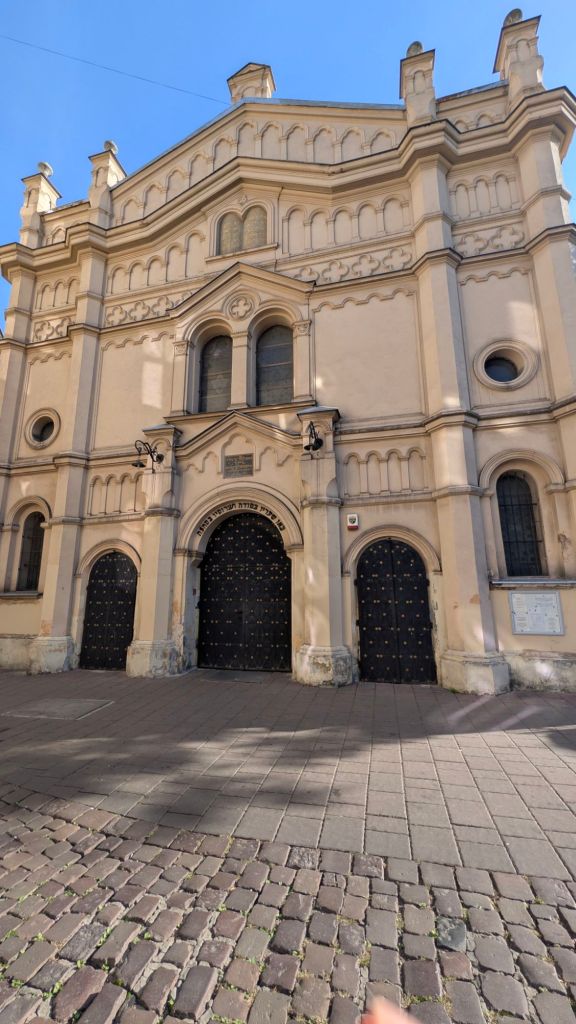
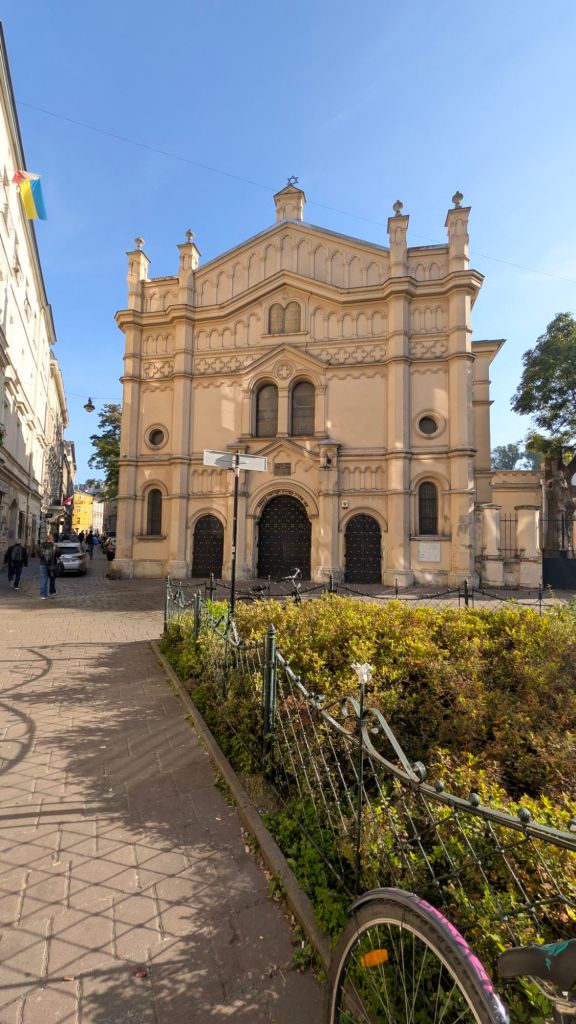
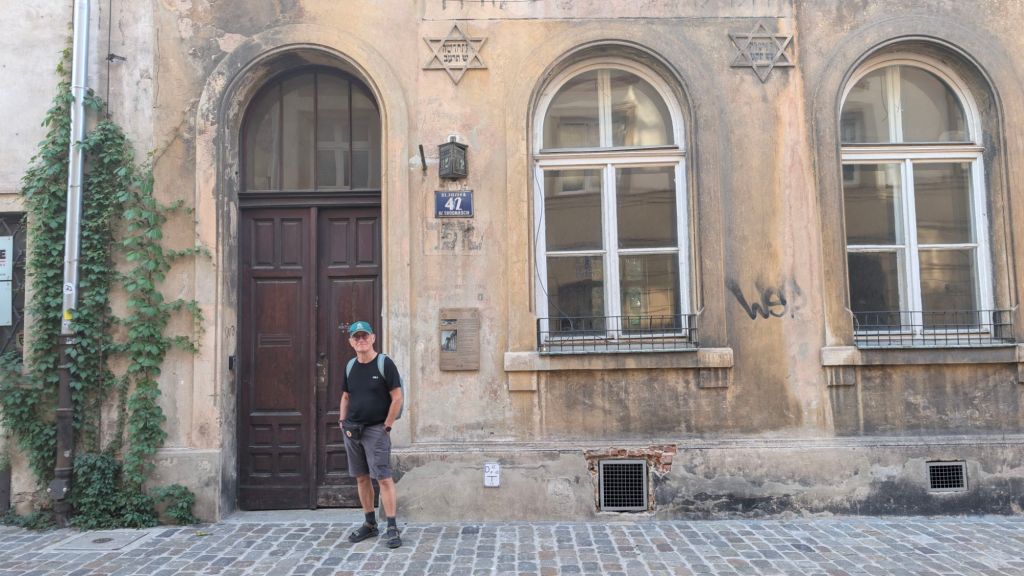
The next picture is of a Jewish prayer house. You see the two stars of David on the building.
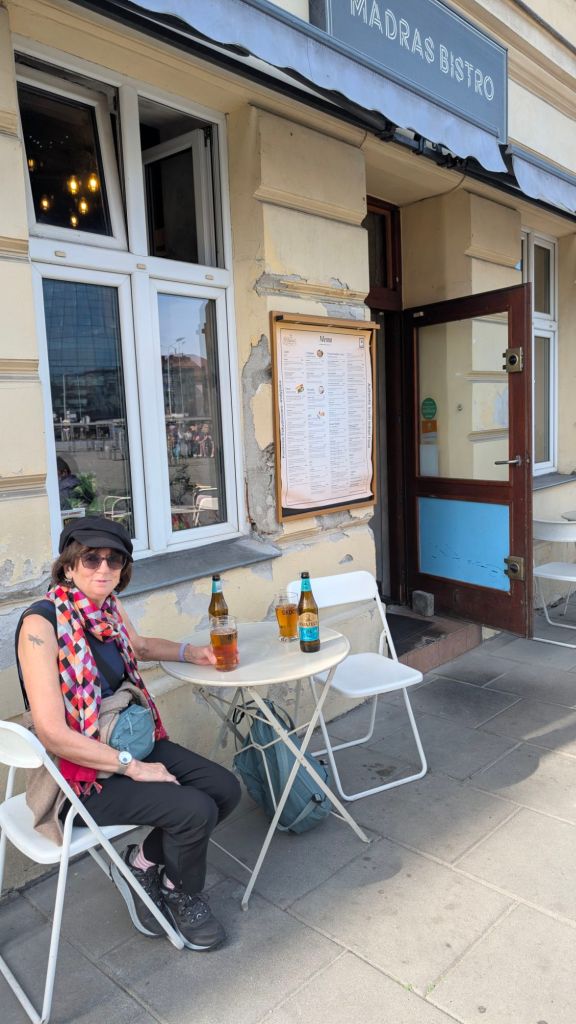
After this, we walked from the Jewish sector across the river and stopped in a square near where Schindler had his factory. We stopped in a square for a beer.
This square is just over the bridge from the Jewish Quarter and is known as Hero Square. It’s where Jewish people were herded together before being sent to concentration camps and is just down the road from the factory that is featured in Schindler’s List. 65,000 people were shipped from here to various camps.
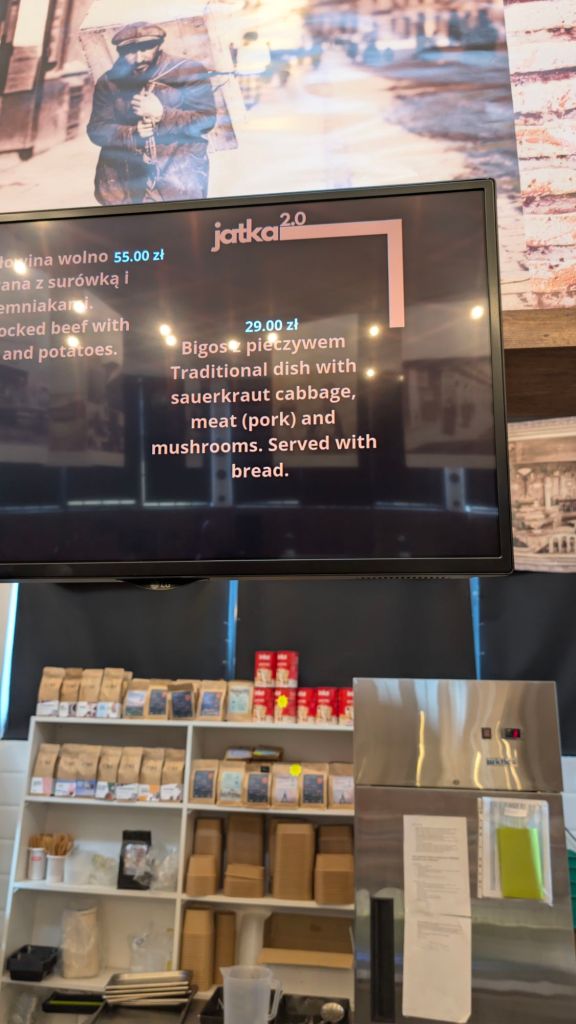
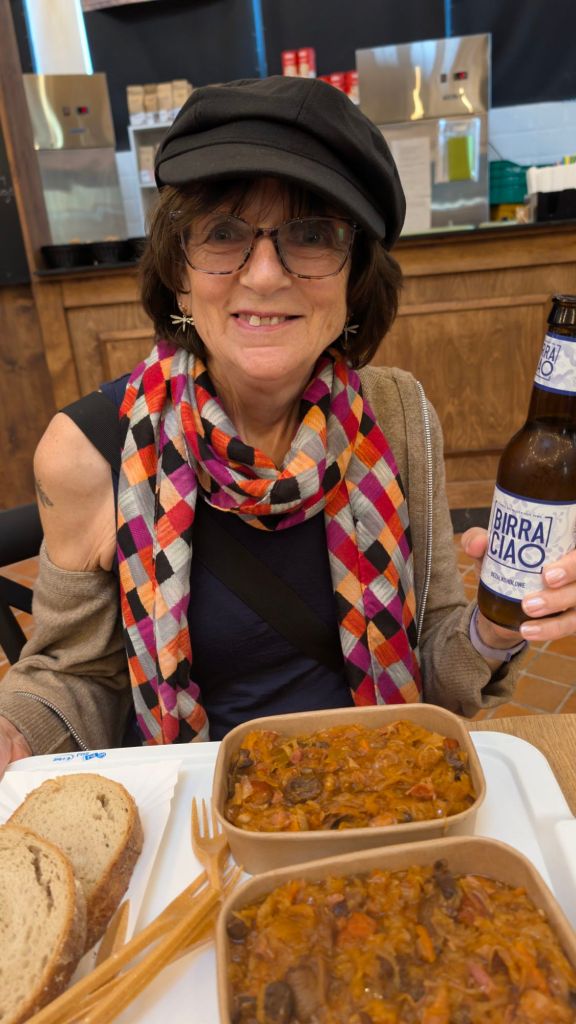
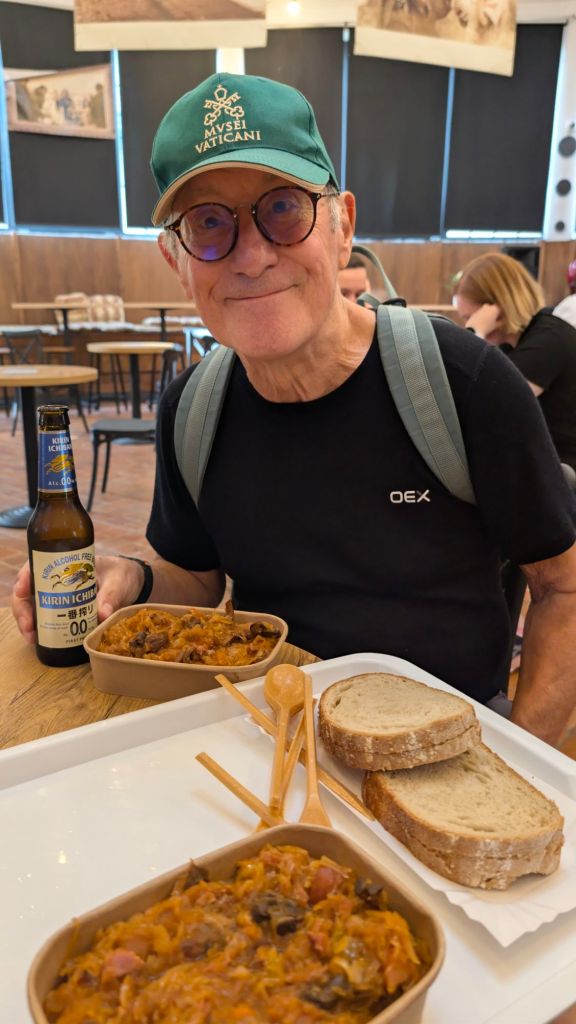
We now walked back across the river to the square where there was a Jewish place and decided to try the local food.
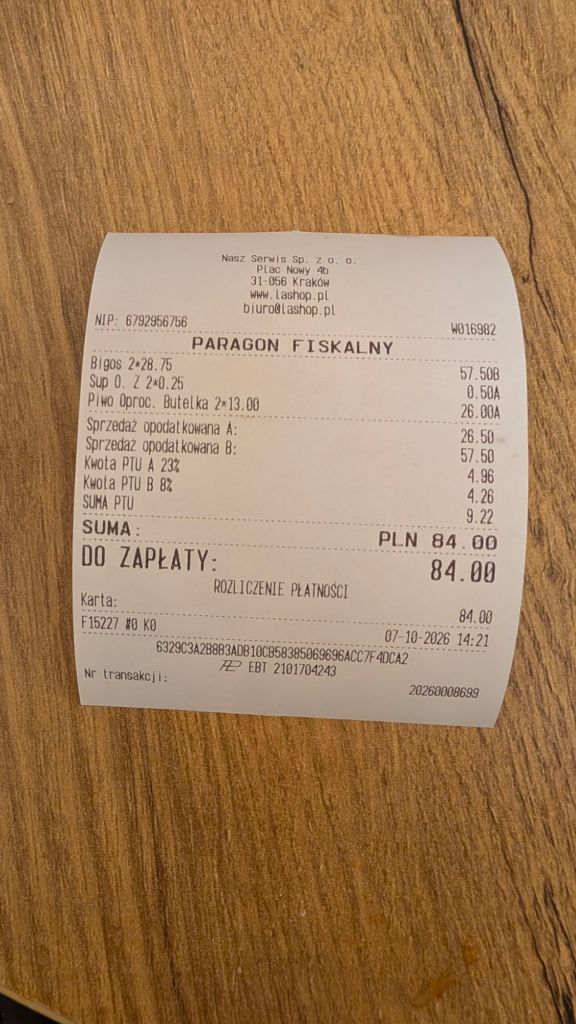
£16.45 Inc 2 beers!!!
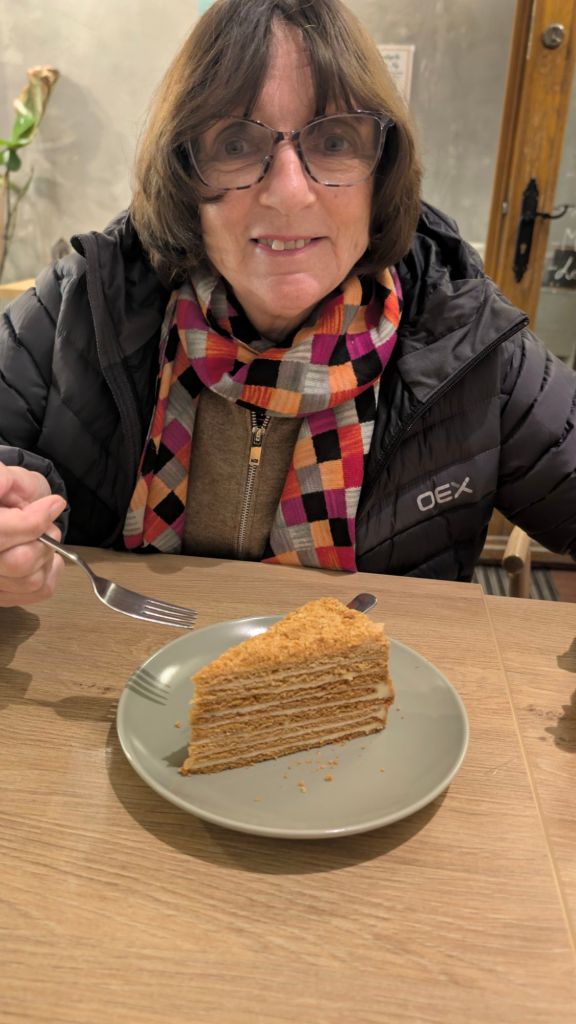
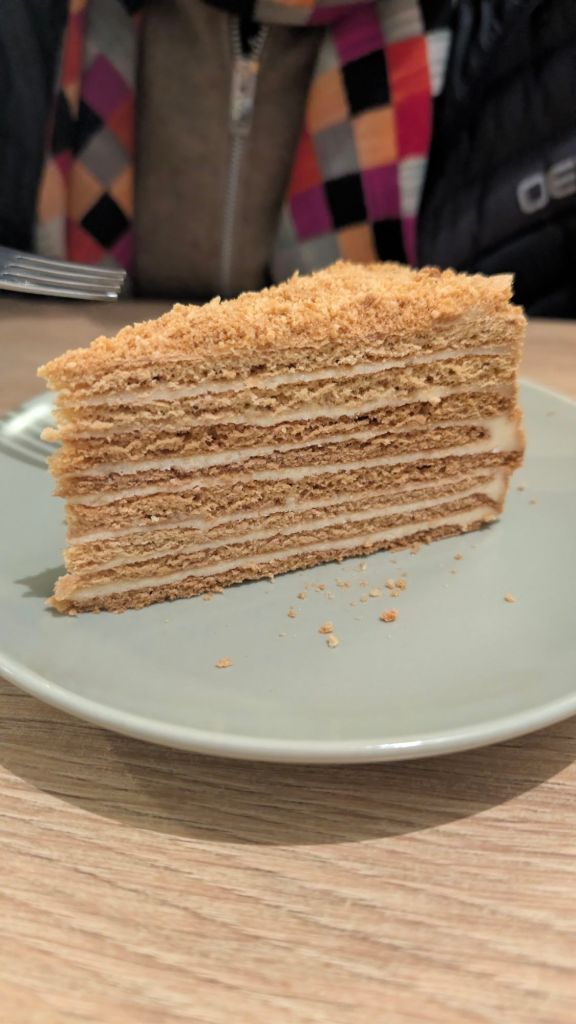
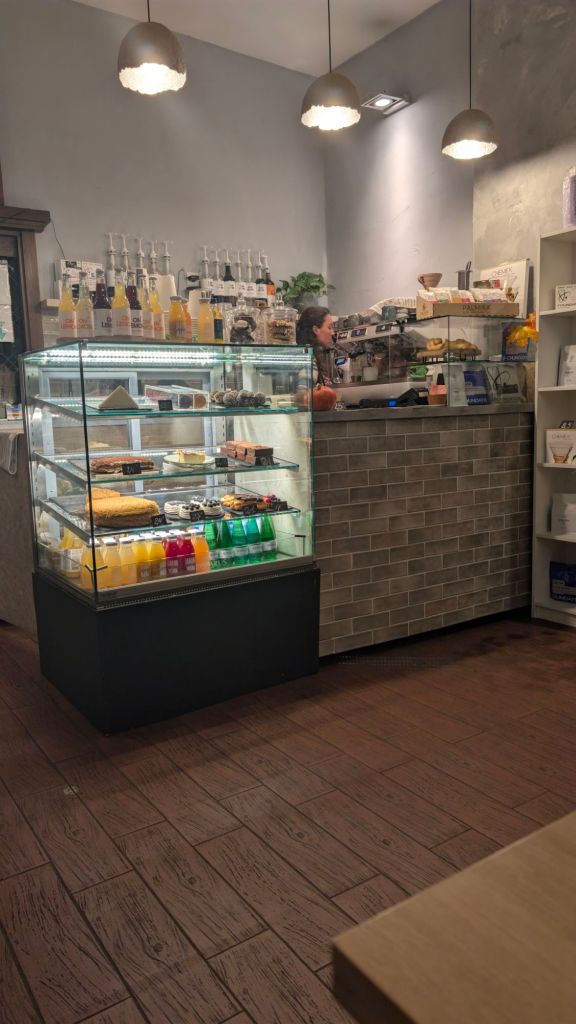
This evening we headed out into the darkness to just have a little wander. We ended up in a coffee and cake store where we had a traditional Polish honey cake with good coffee. On Val’s insistence, we bought a bag of mixed nuts and a bottle of Italian wine, which we brought back and sat on our balcony and watched the world go by. Tomorrow we are starting a new blog, which will be devoted to our visit to Auschwitz. Good night.
In his keynote address to the Labour Party conference in Liverpool, Andy Burnham outlined a series of policy shifts aimed at tackling longstanding domestic issues:
Creation of a National Care Service: Pledged a fully funded, NHS-style care service that is free at the point of use. He emphasized that funding would not come from borrowing and directly addressed care workers, acknowledging their undervaluation and promising significant systemic reforms.
Scrapping the Pensions Triple Lock: Confirmed plans to abandon the state pension triple lock after the election to help finance social care, acknowledging the political risk (“ripping off the plaster”) while ensuring low-income pensioners will not pay income tax.
Public Control of Water and Utilities: Vowed to introduce legislation repealing restrictions on public ownership of water companies, describing the current privatized water sector as broken, and giving local authorities greater oversight and powers to restrict executive bonuses.
“Great British Grid”: Announced a publicly owned grid operator under the Great British Energy umbrella to challenge private operators, cut grid connection wait times, and drive down energy costs within a decade.
Electoral Reform: Committed to establishing a commission on Proportional Representation (PR) and guaranteeing that PR will be included in Labour’s next general election manifesto.
Housing and Landlord Enforcement: Proposed new powers enabling local councils to take over poor-quality, substandard rental housing if landlords refuse to bring properties up to acceptable health standards.
Relations with the EU: Stated that Brexit has done “more harm than good” and pledged to pursue a deeper, long-term consensus-based relationship with the European Union.
Andy Burnham’s proposals center on establishing an NHS-style universal care system funded through structural reform of state pension indexation.
The National Care Service (NCS)
Burnham framed the creation of a National Care Service as a historic shift on par with the founding of the NHS in 1948:
Free at the Point of Use: A universal social care system for England where care charges are removed from the basic state pension, guaranteeing that older people living on low or fixed incomes will no longer face care fees deducted from their pension payments.
Home-First Model: The service is designed to start in the home, prioritizing community-based, independent living support to prevent unnecessary hospitalizations and residential admissions.
Universal Contribution Principle: Positioned as a collective system “where everyone contributes and everyone is covered”.
Workforce Elevation: Directly addressing care workers, Burnham pledged systematic pay and conditions reforms to end the sector’s chronic undervaluation and stabilize retention.
Strict Fiscal Constraint: He explicitly committed that social care reform would not be funded through government borrowing, necessitating a reallocation of baseline state expenditures.
Pension Triple Lock & Tax Changes
To finance the National Care Service sustainably without debt, Burnham outlined a two-phase transition for state pensions:
Element
Current Parliament
From April 2030 (Next Parliament)
Indexation Formula
Triple Lock Maintained Honours the existing manifesto pledge; pension rises by whichever is highest: CPI, average wages, or 2.5%.
Double Lock / Floating Adjustment Removes the wage-growth ratchet; pensions will rise by whichever is higher: CPI inflation or 2.5%.
Earnings Alignment
N/A
Pegged to hold value “relative to earnings over time” rather than matching wage growth in individual high-wage years.
Tax Protection
Income Tax Exemption Guarantees that low-income pensioners will not pay income tax during this Parliament.
Baseline protected to ensure basic state pension income is not eroded by care costs.
Fiscal Objective
Brings state pension baseline to a record high before transition.
Unlocks multi-billion-pound recurring savings to establish dedicated social care funding.
Acknowledging the political controversy, Burnham described altering the triple lock as “ripping off the plaster,” arguing that long-term intergenerational fairness and a sustainable social care safety net require confronting the issue directly rather than postponing it.
Andy Burnham framed the creation of a National Care Service and the overhaul of the pensions triple lock as two halves of a single, long-term social settlement.
1. The National Care Service (NCS)
Burnham described a universal care service as a landmark reform on par with the 1948 establishment of the National Health Service:
Free at the Point of Use: Conceived as an English universal service where social care is provided free at the point of delivery, eliminating catastrophic individual care costs.
Ending Pension Deductions for Care: Burnham pointed out that older people surviving solely or predominantly on the basic state pension often see parts of that income docked for local authority care charges. Under his plan, care fees will be removed from basic state pension incomes entirely.
Home-First Community Model: The service is designed to start in the home rather than residential institutions, focusing on independent community-based living to relieve downstream pressure on NHS hospital beds.
Universal Contribution Principle: Positioned as a shared national contract where “everyone contributes and everyone is covered,” moving away from fragmented, means-tested local provision.
Workforce Respect and Standards: Speaking directly to social care workers, Burnham apologized on behalf of his political generation for decades of neglect, committing to systematic improvements in pay, recognition, and employment conditions.
No Borrowing for Operational Costs: Burnham explicitly pledged that day-to-day funding for the service would not be financed through government borrowing, necessitating baseline structural reallocations.
2. State Pension Indexation and the Triple Lock
To create a sustainable, recurring revenue stream for social care without adding to the national debt, Burnham announced a two-phase roadmap for state pensions:
Phase
Timeline
Policy Mechanism
Phase 1: Current Parliament
Present to 2029/2030
Triple lock honoured in full. State pensions will continue to rise by the highest of CPI inflation, average earnings growth, or 2.5%, taking the baseline pension to a record high by the end of the term.
Phase 2: Post-2030 Transition
Beginning April 2030
Adjustment to a modified guarantee. The formal earnings-ratchet element of the triple lock will be removed. Pensions will rise annually by at least CPI inflation or 2.5%, while being pegged to hold their value “relative to earnings over time” rather than tracking high single-year wage spikes.
Burnham acknowledged the high political risk of touching the triple lock, describing it as “ripping off the plaster” to resolve an issue that previous governments avoided. The rationale presented is that establishing a permanent social care safety net offers greater financial security to older Britons than an unrestrained triple lock that crowds out public services.
Watching the devotion and tenderness you showed your mum in her final days was truly moving. Bringing her home so she could make that journey surrounded by your love speaks volumes about the man you are and the bond you shared. You walked her home in the truest sense of the phrase.
Holding you in my thoughts as you navigate this loss. I’m here whenever you need a quiet ear or a cup of tea.
You know who you are. Thoughts from your big brother.
True courage rarely announces itself with noise. It does not need to roar to be felt. Sometimes, the most profound bravery exists in the quiet spaces—in the steady, resolute spirit of a person who looks life’s hardest trials in the eye and refuses to be broken. That is the kind of courage Anthony carries.
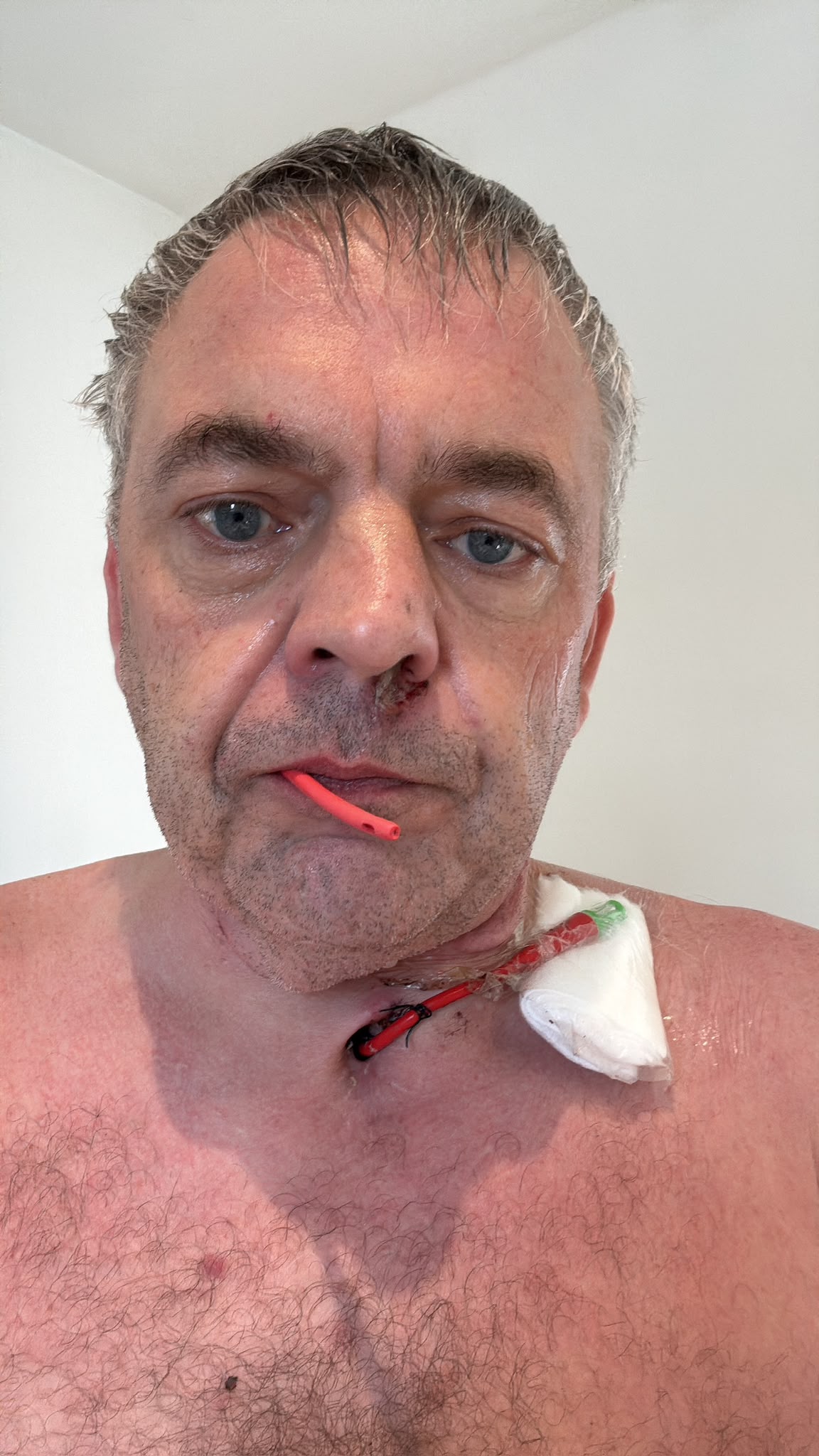
When cancer struck his throat and the surgery took his voice box, it demanded a price that few could fathom. The voice is how we reach out to the world, how we laugh aloud, how we share our warmth, and how we make our presence known. To have that stripped away, and to endure months of forced silence while bearing the heavy physical consequences of healing, is an ordeal that would shake anyone to their core.
Yet Anthony did not let the silence define him. Instead, he filled it with grace, patience, and an unshakable positivity that speaks louder than words ever could.
His strength is not found in an absence of pain, but in his choice to keep moving forward despite it. It is seen in the light that remains in his eyes, the warmth that radiates in his gestures, and the quiet determination to embrace each new day. He reminds everyone around him that a person’s true voice was never just sound waves traveling through the air—it is their character, their kindness, their humor, and their resilience.
Anthony has proven that life can take away your vocal cords, but it cannot take away your spirit. He stands as a living testament to endurance, showing us all what it means to face the unimaginable with dignity, heart, and true grit. To know Anthony is to witness what real strength looks like, and his courage leaves an unforgettable mark on every life he touches.
I worked with him for several years. He helped me out when I came back from Australia. He gave me somewhere to stay. Working with him was a hard lesson but an interesting ride.
I just wrapped up a week of working enrollment at Easton College, and if you’ve ever worked one of these gigs, you know the specific, chaotic rhythm of the whole thing.
Enrollment week exists in two distinct modes: absolute, all-hands-on-deck frenzy, or the kind of vast, stretching boredom where you start memorizing the emergency exit signs. There is no middle ground. One minute you’re a well-oiled machine churning through course codes, identity checks, and photo queues for nervous freshers, and the next you’re sitting in total silence waiting for the next busload of students to appear.
What made the week actually fly by, though, was the crew. I was stationed with Debs, Gary, and Chloe—a 17-year-old student helping out on the front lines. Having Chloe on the team was gold because she brought the real, unfiltered student perspective to the desk, while Debs, Gary, and I tried to keep the logistical wheels turning without losing the plot.
It’s always an odd mix of human connection and admin endurance. You meet hundreds of faces in seven days—some terrified, some overconfident, some parents who look far more stressed than their kids—and in between, you bond with your desk mates over strong tea and the shared relief when the 4 PM slump finally ends.
Glad to have survived the week, grateful for the good company, and very ready for a weekend off.
I’ve been thinking lately about the quiet, steady magic of how you love me. In the rush of everyday life, it is easy to let the most important truths go unspoken, but I want to make sure you know just how deeply I see and appreciate who you are.
Your patience with me is nothing short of a grace. There are days when I am preoccupied, difficult, or simply a handful, yet you meet me with an enduring kindness that never seems to waver. You don’t just tolerate my quirks and shortcomings—you soften them. You create a space where I can be entirely myself, safe in the knowledge that I am accepted, understood, and loved, even on my hardest days.
That kind of gentleness isn’t accidental; it’s a profound strength. You have a way of bringing calm to the noise and warmth to the ordinary moments. Living alongside someone with such a generous heart makes life infinitely richer, and it grounds me in a way I could never replicate on my own.
Thank you for your steady hand, your boundless understanding, and the quiet sacrifices you make just by choosing grace over frustration, time and time again. I don’t take a single bit of your patience for granted, and I am endlessly grateful to walk through this life with you.
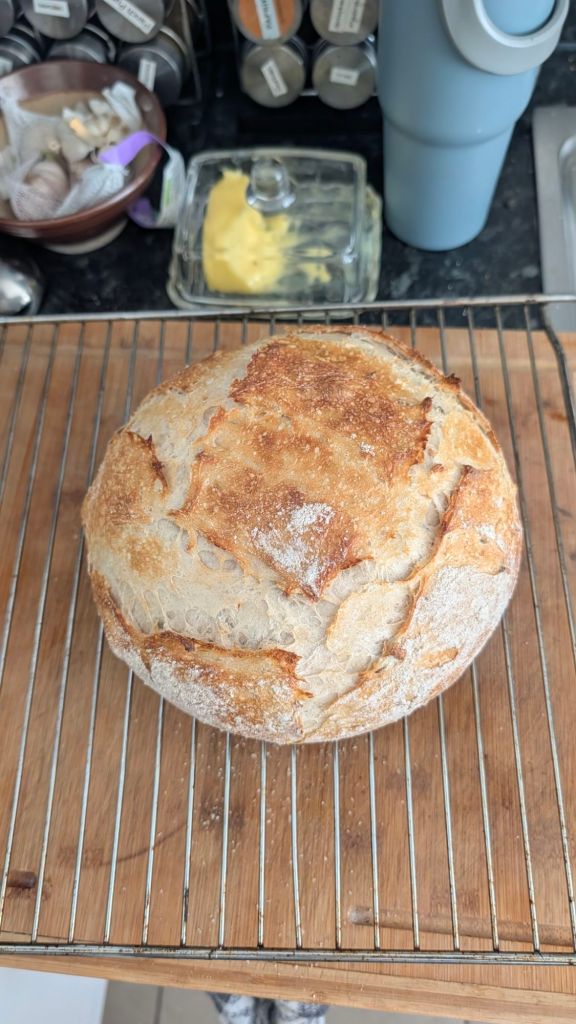
Today I made sourdough for the first time in actually quite a few years. I haven’t been eating much bread, but this morning we didn’t have any, so I thought, “Okay, I’ll see if I can actually remember how to do it.” Below you’ll find a picture of my first white seeded sourdough.